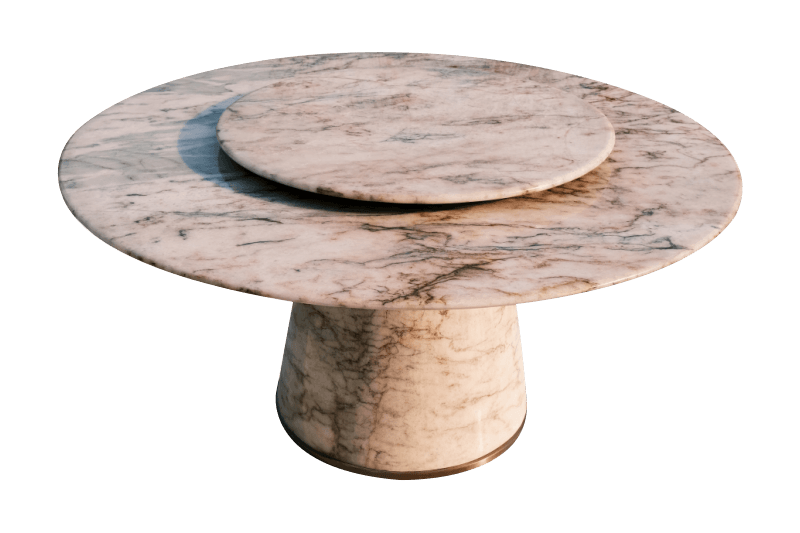
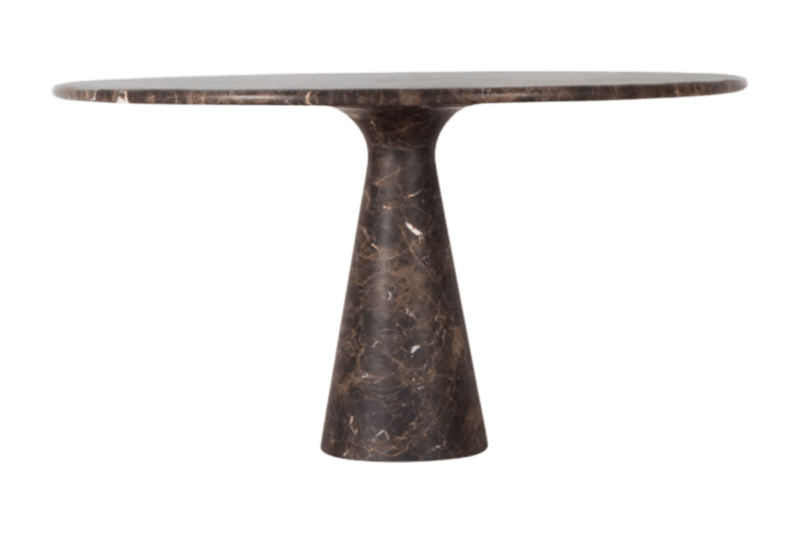
Nantong Yunju New material Technology Co., Ltd. is China Marble Dining Table Suppliers and Marble Dining Table Manufacturers, located in Haian, Jiangsu — the cradle of Jianghai Civilization. Established in 2021, the company specializes in the R&D, production, sales, and service of ultra-thin stone. As a modern innovative enterprise, it occupies a land area of 60 mu and is committed to delivering superior stone solutions to the market, supported by strong in-house R&D capabilities and advanced production techniques.
The company holds multiple invention and utility model patents, and has gathered an experienced team of technical and management professionals. The core team includes 6 specialized thin-stone technicians, 50 skilled workers, 5 quality control specialists, 6 production management staff, and 5 sales representatives, providing solid human resource support for product development, manufacturing, and end-to-end quality assurance.
Equipped with over 30 sets of specialized machinery, we have established a streamlined and efficient production process from raw blocks to finished products. Within just over two years of operation, our annual production capacity has reached approximately 300,000 square meters. We have become the designated stone supplier for more than 20 domestic and international furniture manufacturers. In addition, we have established stable partnerships with numerous design institutes and decoration companies, supplying high-quality ultra-thin stone and marble composite materials for a variety of key projects.

Marble Dining Table Suppliers
A luxurious marble dining table is an indispensable work of art in a modern restaurant, often becoming the focal point of the entire space. Marble itself possesses a unique natural texture and luster, giving each dining table a unique charm. Because marble is not easily corroded by oil and stains, its surface is smooth and easy to clean, making it particularly suitable as a core piece of furniture for dining rooms. Its noble texture and sturdiness make it not only a reflection of the dining table's function, but also an integral part of the home's style. With the development of design aesthetics, the application of marble in dining table design has shown a diversified trend, finding appropriate expression in styles ranging from simple and modern to classic luxury and artistic. Whether paired with metal or wood elements, or choosing a combination of different colors and textures, marble can imbue the dining space with a timeless elegance and luxury, perfectly showcasing taste and style.
Message Feedback
Company
Nantong Yunju New material Technology Co., Ltd.
News
-
Picture this: you walk into a stone showroom and run your hand over a polished marble tile. It looks elegant, but a dozen questions race through your mind. Will it scratch? Is it slippery? How much work is it to keep clean? Those are fair concerns. Marble floor tile can be a durable, long-lasting choice when you match...
READ MORE -
A marble dining table is one of the few pieces of furniture that changes character with the time of day. The same slab reads cool grey in the morning, warm cream under a pendant light, and almost metallic at night. That visual range is exactly why so many buyers choose by appearance alone, then discover six months lat...
READ MORE -
A marble console table usually occupies one of the most exposed positions in a home: the entryway wall, the end of a hallway, or the space behind a living room sofa. It is the first surface guests notice when they enter, and it carries everyday objects such as keys, mail, and decorative trays. Choosing the right one t...
READ MORE
Marble Dining Table Industry knowledge
Structural Integrity and Long-Term Durability Analysis of Ultra-Thin Marble Dining Table Assemblies
Material Density vs. Composite Engineering in Dining Surfaces
A widespread assumption regarding stone furniture suggests that physical thickness directly determines mechanical durability. In traditional furniture manufacturing, a solid stone slab measuring 20mm to 30mm relies entirely on its natural crystalline density to resist flexural bending and surface impact. While dense metamorphic rock exhibits high compressive strength, solid natural marble remains intrinsically brittle and vulnerable to fracturing along internal fault lines under point impacts or uneven loading. In contrast, modern ultra-thin marble processing redefines durability through composite structural engineering rather than pure material mass. Modern stone technology companies like Nantong Yunju New Material Technology Co., Ltd., based across a 60 mu facility in Haian, Jiangsu, combine thin natural stone slices measuring 1mm to 3mm with high-tensile backing substrates. This engineered approach redistributes localized kinetic energy across a flexible composite layer rather than forcing a rigid slab to absorb impacts alone.
When evaluated in the context of a marble dining table, a composite ultra-thin top often demonstrates equal or higher resistance to catastrophic fracturing compared to a heavy, unbacked solid stone slab. The underlying composite backing—such as aluminum honeycomb, high-density fiberboard, or multi-axial fiberglass mesh—serves as an energy-absorbing core. When a heavy object drops onto an unbacked solid stone table, stress concentrations travel rapidly through the rigid crystalline matrix, frequently causing deep cracks or clean breaks along natural veins. In a composite ultra-thin marble dining table, the backing material prevents micro-fractures from expanding through the stone, effectively increasing overall flexural resilience during daily residential use.
Flexural Strength and Resistance to Impact Load
The flexural modulus of natural stone dictates how much deflection a tabletop can tolerate before structural failure occurs. Solid marble slabs have virtually zero flexural tolerance; when subjected to vertical load at the center of an unsupported span—such as between table legs—the bottom surface experiences tensile stress that can cause sudden brittle failure. An ultra-thin marble dining table utilizes composite backing layers that possess high tensile strength, shifting the neutral axis of bending away from the brittle stone face and into the resilient reinforcement layer.
This structural arrangement significantly enhances the load-bearing capacity of the table relative to its stone thickness. In practical household conditions where heavy cookware, serving dishes, or temporary weight is placed upon a extended dining surface, composite stone tops resist sag and cracking far more effectively than unreinforced 18mm marble slabs. Furthermore, advanced R&D and precision lamination methods developed by specialized producers like Nantong Yunju New Material Technology Co., Ltd. ensure that the adhesive bond between stone and substrate resists delamination under repeated daily thermal and physical stresses.
| Performance Attribute | Solid Traditional Marble Top (20mm) | Ultra-Thin Composite Marble Top (2mm Stone + Backing) |
|---|---|---|
| Primary Failure Mode | Brittle fracture along natural vein lines | Localized surface indentation without total breakage |
| Flexural Tolerance | Rigid (Minimal deflection before fracture) | Flexible (High tensile deflection capability) |
| Impact Resistance Strategy | Material mass and crystalline density | Composite core energy dissipation |
| Structural Weight Load | 45 to 65 kg per square meter | 8 to 15 kg per square meter (including backing) |
| Thermal Shock Behavior | Susceptible to cracking under localized heat | Rapid heat dissipation via thin profile and backing |
Surface Wear, Scratch Resistance, and Chemical Staining
Durability in household furniture extends beyond structural breakage to encompass surface appearance over years of use. The surface hardness of a marble dining table is determined by the mineral Mohs hardness of calcite, which remains identical whether the stone layer is 2mm or 30mm thick. Consequently, an ultra-thin stone veneer offers the same resistance to surface scratching from cutlery, stoneware plates, and serving utensils as a full-thickness stone slab.
Chemical durability regarding acid etching and liquid staining depends primarily on sealing treatments and resin impregnation rather than slab thickness. During the production of thin stone sheets, penetrating resins are applied to stabilize the delicate stone layer during slicing. These polymer compounds fill microscopic surface pores and micro-fissures inherent to natural marble, reducing overall liquid absorption rates. As a result, an ultra-thin marble dining table manufactured with modern resin-impregnation processes often exhibits higher resistance to wine, citrus juice, and oil staining than a raw, unsealed solid marble slab.
Long-Term Structural Stability and Substrate Integration
Thermal expansion and ambient humidity fluctuations can cause traditional timber table frames to expand and contract, placing stress on rigid stone tops attached above them. Solid marble slabs mounted onto shifting wood or metal frames can experience point-stress build-up, leading to spontaneous cracking over time. Ultra-thin stone composite panels absorb frame movement through their flexible bonding adhesives, protecting the natural marble face from stresses caused by sub-frame shifts.
The reduction in overall mass also prevents long-term mechanical fatigue on table legs, fasteners, and interior flooring systems. Transporting, assembling, and repositioning a heavy solid stone table risks joint loosening or leg damage due to excessive dead weight. By utilizing specialized stone options engineered by manufacturers such as Nantong Yunju New Material Technology Co., Ltd., a modern marble dining table achieves structural longevity through reduced dead load, easing transit stress while maintaining the authentic visual texture of natural marble across decades of domestic service.
| Operational Parameter | Solid Marble Dining Table | Ultra-Thin Composite Marble Dining Table |
|---|---|---|
| Frame Joint Mechanical Stress | High stress due to heavy dead load | Low stress due to reduced panel weight |
| Ease of Relocation & Assembly | Requires multi-person lift or specialized tools | Standard two-person manual placement |
| Sealing & Porosity Protection | Surface-applied topical sealers | Factory polymer impregnation + surface sealer |
| Frame Deflection Compatibility | Poor (Rigid stone cracks if frame shifts) | High (Flexible backing absorbs sub-frame movement) |
| Edge Profile Options | Solid eased, bevelled, or bullnose edges | Mitred stone edges or exposed composite borders |
FAQ
Q: Does reducing the thickness of the marble top compromise the overall structural strength of a marble dining table during daily domestic use?
A: Not when modern composite engineering is applied. Ultra-thin marble dining table tops feature high-strength backing materials, such as aluminum honeycomb or multi-axial fiberglass mesh, bonded to the rear of thin stone veneers. This multi-layer structure absorbs kinetic impacts and flexural stress, preventing brittle fractures that often occur along natural vein lines in heavy, unbacked solid stone slabs.
Q: How do factory sealants and resin treatments protect an ultra-thin marble dining table against acid etching and liquid stains?
A: During the precision slicing and lamination process, specialized polymer impregnations fill the natural microscopic pores and micro-fissures inherent to raw marble. Combined with topical penetrating sealers, this treatment minimizes liquid absorption, giving the table surface enhanced protection against common household spills like wine, citrus juice, and coffee.
Q: What mechanical advantages do composite ultra-thin marble dining table tops offer regarding frame stability and hardware wear over time?
A: Traditional solid marble slabs impose substantial dead weight on table legs, fasteners, and framing joints, often leading to frame wobbling or structural fatigue. Lightweight composite stone panels reduce top weight by up to 80 percent, significantly easing mechanical stress on table bases and making the entire furniture assembly easier to move without damaging interior flooring.
Q: How do manufacturers like Nantong Yunju New Material Technology Co., Ltd. maintain natural veining continuity across wide marble dining table surfaces?
A: Advanced slicing techniques allow sequential thin stone sheets to be extracted from the exact same quarried block section. Enterprise producers leverage these precision R&D and processing capabilities to book-match or align adjacent veneer sheets, ensuring that the finished table surface retains continuous, authentic geological patterns across large spans.
Q: Can an ultra-thin marble dining table handle direct contact with hot cookware without blistering or thermal cracking?
A: Natural stone possesses high heat resistance, and ultra-thin profiles dissipate thermal energy rapidly through their composite backing layers. While routine protective trivets are still recommended to preserve topical sealers, the stone face itself will not scorch, blister, or melt when exposed to hot serving dishes in the way synthetic laminates or lacquered wood surfaces might.
Q: What routine maintenance practices are required to preserve the polished appearance of an ultra-thin marble dining table?
A: Daily maintenance requires wiping the surface with a soft microfiber cloth and a neutral pH cleaner specifically formulated for natural stone. Avoiding abrasive scrubbing pads and harsh acidic or alkaline household detergents prevents the removal of the protective sealers, ensuring long-term surface clarity and smooth tactile feel.
Q: How do edge profiles on ultra-thin composite stone tables replicate the substantial appearance of solid stone slabs?
A: Fabricators utilize mitered edge joining techniques, where the thin stone veneer is cut at precise 45-degree angles along the perimeter and bonded seamlessly to match the edge grain. This process creates the visual impression of a thick, solid stone slab while preserving all the structural and weight advantages of lightweight composite technology.
Yunju
Contact
-
 56 Ronggang Road, Binhai New Area, Laoba Port, Hai'an City, Nantong City, Jiangsu Province
-
 [email protected]
[email protected]

Mobile

Copyright ©Nantong Yunju New material Technology Co., Ltd.Rights Reserved.
 Custom Marble Dining Table Manufacturers