
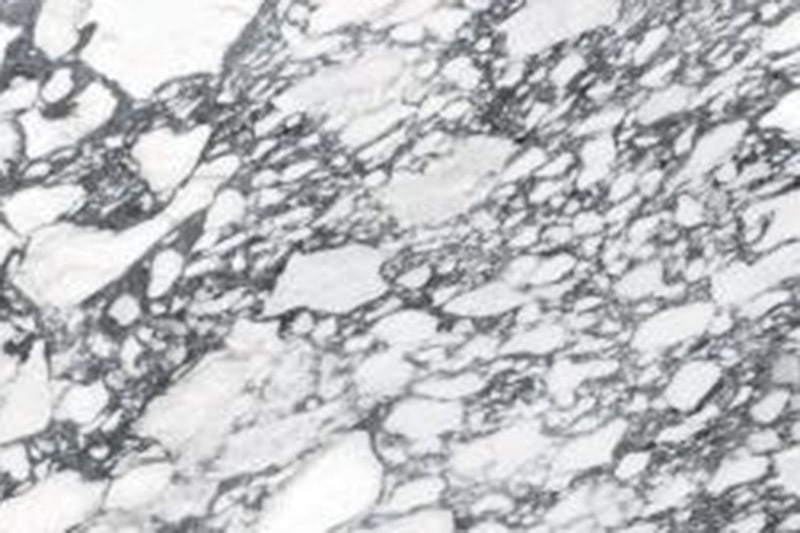

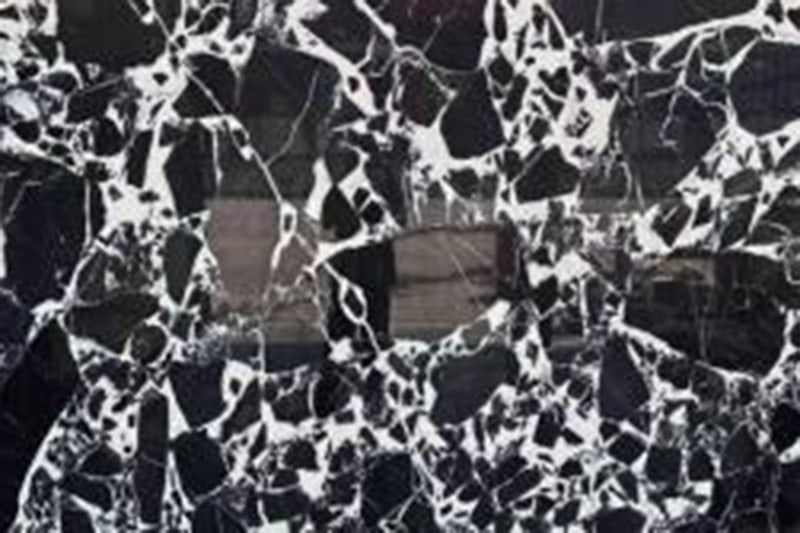
Nantong Yunju New material Technology Co., Ltd. is China Marble Wall Panel Suppliers and Marble Look Wall Panels Manufacturers, located in Haian, Jiangsu — the cradle of Jianghai Civilization. Established in 2021, the company specializes in the R&D, production, sales, and service of ultra-thin stone. As a modern innovative enterprise, it occupies a land area of 60 mu and is committed to delivering superior stone solutions to the market, supported by strong in-house R&D capabilities and advanced production techniques.
The company holds multiple invention and utility model patents, and has gathered an experienced team of technical and management professionals. The core team includes 6 specialized thin-stone technicians, 50 skilled workers, 5 quality control specialists, 6 production management staff, and 5 sales representatives, providing solid human resource support for product development, manufacturing, and end-to-end quality assurance.
Equipped with over 30 sets of specialized machinery, we have established a streamlined and efficient production process from raw blocks to finished products. Within just over two years of operation, our annual production capacity has reached approximately 300,000 square meters. We have become the designated stone supplier for more than 20 domestic and international furniture manufacturers. In addition, we have established stable partnerships with numerous design institutes and decoration companies, supplying high-quality ultra-thin stone and marble composite materials for a variety of key projects.

Marble Look Wall Panels Manufacturers
Marble wall panels are the epitome of luxury and elegance, transforming any space into a sophisticated haven. These panels offer the timeless beauty of natural marble with the added benefits of modern technology. With a maximum size of up to 3000*1600mm, these panels can cover large areas seamlessly, creating a stunning visual impact. The expansive dimensions allow for fewer joints and a more unified appearance, which is ideal for both residential and commercial applications.
Crafted with a 3mm thick PET stone composite material, the panels combine durability and lightness, making them an excellent choice for both vertical and horizontal installations. The advanced composite structure not only enhances the aesthetic quality but also offers superior resistance to wear, ensuring a long-lasting investment in your interior design.
What sets marble wall panels apart is their versatility in installation. Whether you prefer dry-hanging or wet-gluing methods, these panels accommodate both, saving installation time and effort. The lightweight nature of the composite material simplifies handling, reducing the need for additional structural support while maintaining strength and stability.
Message Feedback
Company
Nantong Yunju New material Technology Co., Ltd.
News
-
Picture this: you walk into a stone showroom and run your hand over a polished marble tile. It looks elegant, but a dozen questions race through your mind. Will it scratch? Is it slippery? How much work is it to keep clean? Those are fair concerns. Marble floor tile can be a durable, long-lasting choice when you match...
READ MORE -
A marble dining table is one of the few pieces of furniture that changes character with the time of day. The same slab reads cool grey in the morning, warm cream under a pendant light, and almost metallic at night. That visual range is exactly why so many buyers choose by appearance alone, then discover six months lat...
READ MORE -
A marble console table usually occupies one of the most exposed positions in a home: the entryway wall, the end of a hallway, or the space behind a living room sofa. It is the first surface guests notice when they enter, and it carries everyday objects such as keys, mail, and decorative trays. Choosing the right one t...
READ MORE
Marble Wall Panels Industry knowledge
Structural and Operational Comparison Between Composite Marble Wall Panels and Dimensional Marble Slabs
Load Reduction and Building Structural Integration
Traditional stone wall claddings utilize full-thickness dimensional slabs measuring between 18mm and 30mm. These heavy masonry units create structural dead loads on building foundations, floor plates, and structural walls, often requiring heavy-duty steel channel anchors and reinforced concrete substrates to prevent mechanical failure. Lightweight marble wall panels modify these structural parameters by integrating ultra-thin natural stone slices—typically 1mm to 3mm thick—onto high-strength backing cores such as aluminum honeycomb, fiberglass mesh, or fiber cement boards. This engineered construction reduces total surface mass from roughly 50 to 75 kilograms per square meter down to 3.5 to 8 kilograms per square meter.
The reduction in dead weight expands structural design possibilities across high-rise developments, interior partitions, and retrofit projects. Heavy stone installations are often prohibited on standard interior drywall framing due to load limitations. Modern stone processing, such as the ultra-thin lamination methods advanced by materials developers like Nantong Yunju New Material Technology Co., Ltd., allows large-format marble wall panels to be mounted directly onto standard drywall, wood studs, or existing tile walls using structural adhesives rather than heavy mechanical iron brackets. This simplifies wall prep and lowers the total weight burden on primary building frames.
Flexural Resilience and Resistance to Impact Damage
Dimensional stone slabs exhibit high compressive strength but limited flexural tolerance, making solid 20mm panels prone to brittle fracture along natural calcite veins when exposed to shear stress, thermal movement, or structural deflection. Composite marble wall panels address this physical limitation through multi-layer tensile engineering. The underlying substrate acts as an energy-absorbing core, distributing localized kinetic energy across the panel rather than allowing stress to concentrate along internal geological fault lines.
By shifting the bending axis away from the brittle stone face and into the resilient backing, engineered wall assemblies offer elevated resistance to point impacts and structural shaking. In commercial corridors, elevator lobbies, and high-traffic public spaces where wall surfaces face frequent contact with luggage, carts, and equipment, composite marble wall panels maintain surface integrity without suffering the sudden cracking or corner chipping common to solid stone slabs.
| Engineering Attribute | Solid Dimensional Stone Slab (20mm) | Composite Marble Wall Panel (2mm Stone + Core) |
|---|---|---|
| Unit Areal Mass | 45 to 75 kg/m² | 3.5 to 8.5 kg/m² |
| Primary Anchoring System | Heavy stainless steel brackets / thick mortar bed | Polyurethane structural adhesive / concealed cleats |
| Flexural Deflection Behavior | Brittle (Snaps easily along natural veins) | Resilient (Composite core absorbs shear stress) |
| Substrate Compatibility | Concrete, brick, heavy steel frame | Drywall, plywood, MDF, concrete, existing tiles |
| Impact Energy Dissipation | Low (Stress concentrates along fault lines) | High (Core redistributes point loads) |
Quarry Yield Efficiency and Environmental Resource Management
Extracting solid stone slabs from natural quarries involves finite mineral reserves and high processing waste. Traditional gang-saw slitting converts a substantial portion of raw stone blocks into unusable stone slurry during multi-pass cutting operations. Advanced mechanical slicing technology maximizes block yield by extracting dozens of ultra-thin stone veneers from the exact volume of raw block material that would traditionally produce only a few thick slabs. This material extraction efficiency increases the total surface output derived from every quarried block.
For large-scale architectural projects requiring extensive wall cladding, optimized block yield improves pattern matching and color consistency. Because sequential thin stone sheets originate from the same block section, background tones and veining flow remain aligned across adjacent panels. Enterprise fabricators, including Nantong Yunju New Material Technology Co., Ltd. from its 60 mu production site in Haian, leverage precision block slicing to supply high-volume commercial shipments that maintain tight visual consistency across large wall spans.
Logistical Optimization and Installation Efficiency
Logistical management for heavy traditional slabs presents challenges during maritime transit, road transport, and site handling. Freight shipping containers carrying 20mm natural stone slabs hit maximum weight limits long before utilizing total spatial volume, driving up transport costs per square meter. Lightweight marble wall panels dramatically alter shipping payload density, enabling up to seven to nine times more square meters of stone cladding to fit into a single freight shipment, thereby lowering shipping overhead and carbon emissions per unit area.
On-site installation workflows are similarly transformed by lighter panel mass. Setting heavy 20mm marble wall slabs requires multi-worker hoisting teams, specialized rigging equipment, and temporary floor supports while mechanical anchors are secured. In contrast, composite marble wall panels can be handled, aligned, and trimmed by one or two installers using standard woodworking tools and fast-curing adhesive systems. Technical innovations from regional stone specialists, such as Nantong Yunju New Material Technology Co., Ltd., provide thin panel systems that shorten installation timelines and lower job-site labor requirements.
| Logistical & On-Site Variable | Traditional Solid Slab Installation | Composite Wall Panel Installation |
|---|---|---|
| Container Freight Yield | Approx. 400 to 500 m² per shipment | Approx. 3,000 to 4,000 m² per shipment |
| On-Site Workcrew Requirement | 3 to 5 workers plus mechanical lifting rigs | 1 to 2 workers (manual handling) |
| Field Cutting & Trimming | Wet diamond saw with continuous water supply | Standard table saw, shears, or angle grinder |
| Installation Speed | Slow (Requires mechanical anchor fitting) | Rapid (Direct adhesive bonding or track systems) |
| Freight Cost per Square Meter | Higher due to extreme weight density | Lower due to maximized volumetric payload |
Thermal Insulation and Backlit Optical Possibilities
Beyond structural mass and transport advantages, composite marble wall panels provide expanded functional capabilities regarding thermal performance and interior lighting. Heavy stone slabs act as dense thermal conductors that absorb ambient room heat slowly, offering minimal insulation value to exterior wall envelopes. Composite wall panels featuring expanded foam, honeycomb cores, or insulated backings provide built-in thermal resistance, helping stabilize interior room temperatures when applied as exterior curtain walls or perimeter lining.
Furthermore, specific varieties of translucent marble wall panels—sliced to ultra-thin profiles and bonded to clear glass, polycarbonate, or acrylic backings—allow backlighting integration. While traditional 20mm slabs are entirely opaque, translucent thin stone sheets allow diffuse light to penetrate through the calcite matrix, creating illuminated feature walls, elevator lobbies, and ambient reception surfaces without requiring manual job-site grinding or custom thinning.
FAQ
Q: How do composite lightweight marble wall panels eliminate the need for heavy steel anchor systems during high-rise wall installations?
A: Traditional 20mm solid stone slabs create significant dead load, necessitating heavy stainless steel channel anchors and reinforced sub-framing. By bonding an ultra-thin stone veneer to a lightweight core like aluminum honeycomb or fiber cement, panel weight is reduced by up to 80 percent. This allows the panels to be mounted directly onto standard drywall framing or existing substrate using high-strength structural adhesives.
Q: What mechanical advantages do composite backing substrates provide against wall panel cracking caused by building settling?
A: Unreinforced solid marble is naturally brittle and easily snaps along geological fault lines during subtle structural shifts or thermal expansion. The multi-layer construction of composite panels acts as a flexible, shock-absorbing substrate. This distributes shear stress across the backing core, protecting the delicate natural stone face from localized stress cracking or joint failure.
Q: How do manufacturing techniques ensure visual color and veining continuity across extensive marble wall panel installations?
A: Because precision slicing extracts dozens of thin stone sheets sequentially from a single quarried block, grain variance between adjacent sheets is minimal. Production facilities—such as the advanced processing operations at Nantong Yunju New Material Technology Co., Ltd.—utilize digital sequence mapping to index these sequential veneers, allowing installers to execute seamless book-matching and continuous vein alignment across large wall spans.
Q: Can ultra-thin stone wall panel systems be utilized in wet environments like luxury showers and indoor swimming pools?
A: Yes, provided the panels receive proper factory sealing and moisture-impermeable core backings. During composite fabrication, deep vacuum-pressure resin impregnations fill micro-fissures within the calcite matrix, while waterproof backing materials prevent moisture from reaching the sub-wall, preventing water seepage, efflorescence, and mold growth behind bathroom walls.
Q: How does switching from traditional thick slabs to thin stone panels reduce overall job-site labor and freight expenses?
A: The low areal weight of thin wall panels allows up to seven times more square meters of material to fit inside a single shipping container, dramatically lowering transit cost per unit area. On-site, the lightweight panels eliminate the need for heavy mechanical hoisting rigs, allowing small installation crews to handle, cut, and mount the panels quickly using standard diamond-tipped woodworking tools.
Q: What options are available for creating illuminated or backlit feature walls using marble wall panels?
A: When ultra-thin natural stone veneers are laminated to transparent or translucent backings, such as tempered glass or clear acrylic sheets, light can pass directly through the crystalline structure of the marble. This creates glowing, backlit architectural surfaces that highlight the organic mineral veining without the prohibitive weight and opacity of thick stone slabs.
Q: What routine surface care is needed to maintain the polished finish on interior stone wall panels?
A: Maintenance involves dusting with a soft microfiber cloth and occasionally wiping the surface with a damp cloth and a mild pH-neutral stone cleaner. Because vertical wall panels experience far less abrasion and spill exposure than horizontal tabletops, the factory-applied sealer remains intact for extended periods, avoiding the need for frequent re-sealing or harsh chemical polishing.
Yunju
Contact
-
 56 Ronggang Road, Binhai New Area, Laoba Port, Hai'an City, Nantong City, Jiangsu Province
-
 [email protected]
[email protected]

Mobile

Copyright ©Nantong Yunju New material Technology Co., Ltd.Rights Reserved.
 Custom Marble Look Wall Panels Suppliers