

Nantong Yunju New material Technology Co., Ltd. is China Marble Sofa and Chair Suppliers and Marble Sofa and Chair Manufacturers, located in Haian, Jiangsu — the cradle of Jianghai Civilization. Established in 2021, the company specializes in the R&D, production, sales, and service of ultra-thin stone. As a modern innovative enterprise, it occupies a land area of 60 mu and is committed to delivering superior stone solutions to the market, supported by strong in-house R&D capabilities and advanced production techniques.
The company holds multiple invention and utility model patents, and has gathered an experienced team of technical and management professionals. The core team includes 6 specialized thin-stone technicians, 50 skilled workers, 5 quality control specialists, 6 production management staff, and 5 sales representatives, providing solid human resource support for product development, manufacturing, and end-to-end quality assurance.
Equipped with over 30 sets of specialized machinery, we have established a streamlined and efficient production process from raw blocks to finished products. Within just over two years of operation, our annual production capacity has reached approximately 300,000 square meters. We have become the designated stone supplier for more than 20 domestic and international furniture manufacturers. In addition, we have established stable partnerships with numerous design institutes and decoration companies, supplying high-quality ultra-thin stone and marble composite materials for a variety of key projects.

Marble Sofa and Chair Suppliers
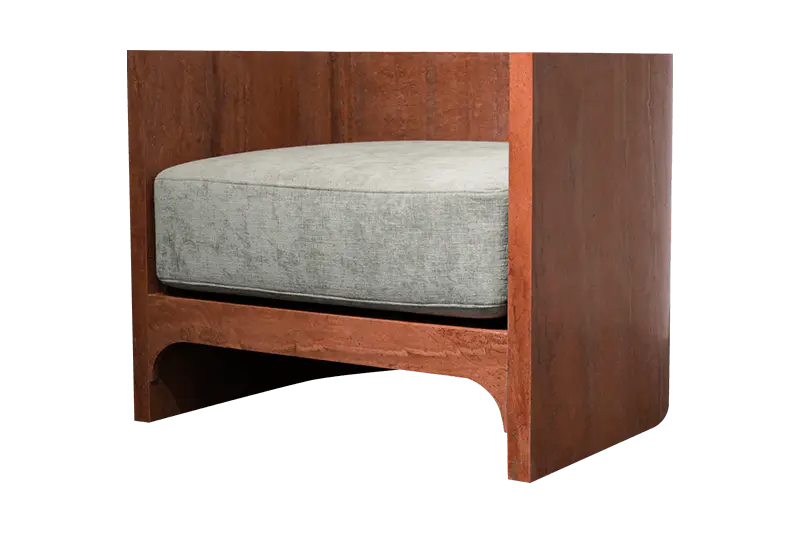
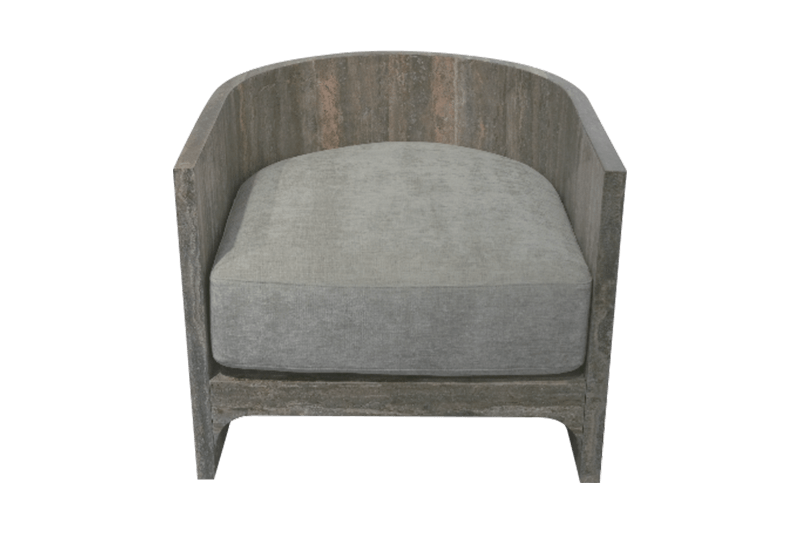
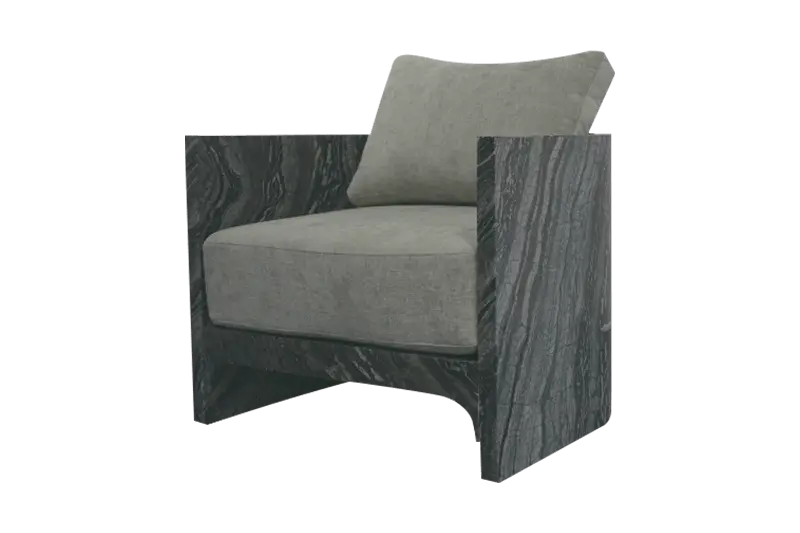
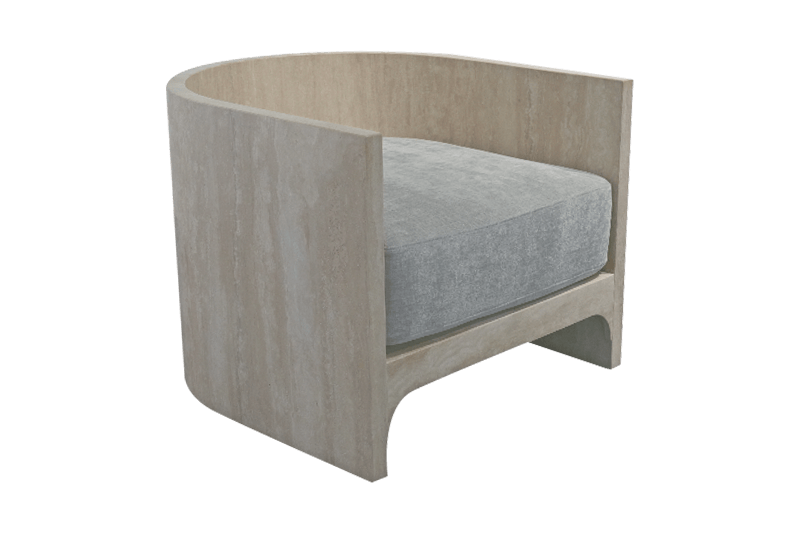
The Marble Sofa and Chair, with their unique materials and design, have become an indispensable symbol of luxury in modern homes. Their core appeal lies in the ingenious combination of marble and upholstered materials, ensuring both visual luxury and comfort and practicality. As a natural stone, marble, characterized by its cold, hard, and unique textures, is often perceived as a beautiful yet untouchable "useless vase." However, when cleverly incorporated into seating design, particularly when combined with upholstered materials, the contrast between hard and soft enhances marble's practicality and tactile experience.
The addition of upholstered elements imbues marble seating with not only a visually noble and cool feel, but also provides ample comfort and support, defying the often perceived coldness and hardness of marble. Every time you sit down and feel the soft backrest and seat cushions, you'll be struck by the realization that this isn't simply a decorative piece, but a high-end piece of furniture with real functionality. The hardness of marble and the comfort of upholstered furniture form a stark contrast, yet they coexist harmoniously, creating a sense of luxury not only through appearance but also through the practicality of use.
This combination not only demonstrates the designer's exquisite use of materials but also embodies the pursuit of a balance between luxury and practicality in modern home design. Every detail of the marble seating represents a perfect fusion of luxury, comfort, and functionality.
Message Feedback
Company
Nantong Yunju New material Technology Co., Ltd.
News
-
Picture this: you walk into a stone showroom and run your hand over a polished marble tile. It looks elegant, but a dozen questions race through your mind. Will it scratch? Is it slippery? How much work is it to keep clean? Those are fair concerns. Marble floor tile can be a durable, long-lasting choice when you match...
READ MORE -
A marble dining table is one of the few pieces of furniture that changes character with the time of day. The same slab reads cool grey in the morning, warm cream under a pendant light, and almost metallic at night. That visual range is exactly why so many buyers choose by appearance alone, then discover six months lat...
READ MORE -
A marble console table usually occupies one of the most exposed positions in a home: the entryway wall, the end of a hallway, or the space behind a living room sofa. It is the first surface guests notice when they enter, and it carries everyday objects such as keys, mail, and decorative trays. Choosing the right one t...
READ MORE
Marble Sofa and Chair Industry knowledge
Maintenance Dynamics and Surface Care for Composite Marble Sofa and Chair Elements
Inherent Mineral Porosity and Factory Sealing Requirements
Natural marble is a metamorphic rock composed primarily of calcium carbonate, which creates a crystalline matrix characterized by inherent microporosity. When utilized in furniture design—specifically for the accent arms, tabletops, or structural frames of a marble sofa and chair set—this porous nature makes the material susceptible to liquid absorption if left untreated. Household liquids such as coffee, red wine, citrus juice, or oils can penetrate the surface, leading to permanent staining or chemical etching if not addressed. However, modern furniture manufacturing addresses these challenges through advanced factory-level stabilization rather than relying solely on end-user topical maintenance.
Professional fabrication facilities, such as those operated by Nantong Yunju New Material Technology Co., Ltd. in Haian, Jiangsu, utilize vacuum-pressure resin impregnation to address stone porosity before the furniture leaves the production floor. By forcing polymer resins deep into the microscopic fissures of the stone, manufacturers create a dense, non-absorbent barrier. This process ensures that the marble sofa and chair surfaces are largely self-protecting against typical domestic spills, reducing the frequency of required deep-cleaning or professional restoration.
Routine Cleaning Protocols for Daily Surface Preservation
Maintaining the polished finish of stone-integrated seating requires consistent but gentle cleaning habits. Unlike synthetic laminates or lacquered wood, which can withstand a wider range of chemical cleaners, natural marble reacts negatively to acidic and highly alkaline substances. Daily maintenance involves wiping the stone elements of a marble sofa and chair with a soft, damp microfiber cloth to remove dust, grit, and ambient surface debris. Abrasive cleaning pads, steel wool, or hard-bristled brushes must be avoided entirely, as they create micro-scratches that dull the stone's reflective luster over time.
For periodic deep cleaning, a pH-neutral cleaner specifically formulated for natural stone is required. These solutions are designed to lift surface grime without stripping the underlying factory-applied sealer or etching the calcite minerals. Specialists at Nantong Yunju New Material Technology Co., Ltd. recommend that users avoid vinegar, lemon-based sprays, and generic bathroom disinfectants, as these chemicals can dissolve the calcium carbonate surface layer, leading to permanent matte spots known as etching.
| Maintenance Task | Recommended Method | Frequency |
|---|---|---|
| Daily Dusting | Soft dry or damp microfiber cloth | As needed |
| Spill Cleanup | Immediate blotting with absorbent paper towel | Immediate response |
| Routine Cleaning | pH-neutral stone cleaner spray | Weekly |
| Sealer Refresh | Impregnating stone sealer application | Every 6 to 12 months |
| Heavy Stain Removal | Professional stone poultice treatment | As required by damage |
Impact of Composite Engineering on Structural Longevity
The structural maintenance of a marble sofa and chair often hinges on the weight and fragility of the stone components. Traditional solid marble slabs are heavy and brittle, prone to cracking if the furniture frame shifts or if the piece is moved improperly. Modern production techniques have largely mitigated these risks by using ultra-thin stone veneers—typically 1mm to 3mm thick—bonded to high-strength composite backings like aluminum honeycomb or fiberglass. This engineering shift makes the stone components resilient against the mechanical stresses of daily seating use.
Because the stone veneer is lightweight and flexible, it moves in tandem with the chair frame rather than exerting localized stress on fasteners. Development teams at Nantong Yunju New Material Technology Co., Ltd. employ these composite lamination techniques to ensure that stone-accented furniture remains stable under load. This design approach prevents the micro-fractures that typically necessitate costly professional repairs in full-thickness stone furniture, making the overall maintenance profile more manageable for the average homeowner.
Mitigating Environmental Wear and Chemical Exposure
Environmental factors significantly influence the upkeep requirements of marble sofa and chair components. Marble is thermally stable but sensitive to localized heat shock; placing extremely hot cookware directly onto an unbacked stone table surface can cause internal stress, though this is rare in standard living room seating. More critical is the protection of the stone’s chemical integrity from household products. Cosmetic products, hairspray, and perfumes often contain solvents that can degrade topical sealers on stone arms or integrated side tables.
To preserve the finish, users should minimize direct contact between harsh household chemicals and the stone surfaces. Applying a high-quality penetrating sealer annually helps maintain the barrier against such chemical exposure. This simple preventative measure ensures that the stone retains its natural clarity and tactile smoothness, even in high-traffic residential or commercial lounges where the furniture undergoes continuous public interaction.
| Environmental Stressor | Effect on Marble Surface | Preventative Strategy |
|---|---|---|
| Acidic Spills (Citrus/Wine) | Chemical etching and dull spots | Immediate blotting; factory-applied resin seal |
| Heavy Friction/Abrasives | Loss of polish; surface scratching | Avoid scouring pads; use coasters/felt pads |
| High Humidity | Potential mineral leaching (rare) | Adequate room ventilation |
| Direct Heat | Thermal expansion stress | Use trivets for hot beverages |
| Cosmetic Solvents | Sealer degradation | Regular application of stone-safe sealant |
Long-Term Restoration and Refinishing Options
Should the surface of a marble sofa and chair exhibit signs of wear, such as light scratching or loss of sheen after years of use, natural stone offers a distinct advantage over wood or plastic: it can be professionally refinished. Unlike printed laminates that reach the end of their lifecycle once the surface layer is breached, marble can be honed and re-polished to its original state. Professional stone restoration services use specialized diamond-abrasive pads to resurface the stone, effectively erasing years of surface scratches and etch marks.
This regenerative capability ensures that high-end furniture investments remain viable for generations. By adhering to a consistent maintenance schedule and utilizing professional restoration when necessary, the aesthetic and structural integrity of the stone elements is preserved. The combination of factory-grade resin stabilization and routine consumer care makes stone-integrated furniture an accessible option for those seeking a balance between natural beauty and functional longevity.
FAQ
Q: How do composite ultra-thin materials prevent a marble sofa and chair set from becoming too heavy to move or reconfigure in a room?
A: Traditional solid marble slabs add immense dead weight to furniture frames, making accent chairs and sofas difficult to reposition. By bonding a 1mm to 3mm natural stone veneer onto lightweight composite backings like fiberglass or aluminum honeycomb, the weight of the stone elements is reduced by up to 80 percent, allowing easy room reconfigurations without compromising structural integrity.
Q: What processing methods protect the stone accents on a marble sofa and chair from accidental beverage or oil stains?
A: Because raw marble contains natural microscopic pores, specialized factory treatments are applied during the composite lamination stage. Vacuum-pressure resin impregnations—such as the surface stabilization processes utilized by Nantong Yunju New Material Technology Co., Ltd.—fill the micro-fissures deep within the calcite matrix, creating a durable barrier against daily liquid spills, coffee, and oils.
Q: Will the stone armrests or frame elements of a marble sofa and chair crack when subjected to weight or frame flexing during use?
A: Solid stone is brittle and vulnerable to cracking under flexural stress, but ultra-thin composite stone panels offer high flexural resilience. The underlying composite backing acts as a shock absorber, distributing localized weight and impact forces across the surface, which prevents brittle fractures along natural vein lines when users lean on armrests or sit down.
Q: How do fabricators ensure that the veining matches seamlessly between the integrated side table and frame of a marble sofa and chair?
A: Sequential stone slicing allows consecutive thin veneer sheets to be extracted sequentially from the same quarried stone block. Through advanced digital mapping and R&D capabilities, such as those implemented across Nantong Yunju New Material Technology Co., Ltd.’s processing lines in Haian, fabricators can book-match and align adjacent stone panels to create an unbroken, continuous grain flow across the entire furniture set.
Q: What daily maintenance is required to keep the polished stone surfaces of a marble sofa and chair from dulling over time?
A: Daily care simply involves wiping the stone accents with a soft, damp microfiber cloth. To preserve the reflective luster, users should avoid abrasive pads and acidic household sprays like vinegar or bleach, opting instead for mild pH-neutral cleaners specifically formulated for natural stone surfaces.
Q: Can the stone components of a marble sofa and chair handle ambient temperature changes in sunrooms or bright living areas?
A: Yes, natural marble possesses high inherent thermal stability and will not warp, blister, or fade like synthetic plastics or thermofoil covers when exposed to sunlight or ambient heat. The thin stone veneer rapidly dissipates thermal energy across its composite backing, maintaining surface consistency across varying indoor climates.
Q: What joining techniques are used on the corners of a marble sofa and chair to conceal the composite core?
A: Craftsmen utilize precision 45-degree mitered edge-joining techniques, cutting the thin stone veneer and wrapping it smoothly around the perimeter of the structural core. By matching the natural mineral veining along these mitered seams, the frame achieves the appearance of a solid, heavy block of quarried stone while remaining lightweight and durable.
Yunju
Contact
-
 56 Ronggang Road, Binhai New Area, Laoba Port, Hai'an City, Nantong City, Jiangsu Province
-
 [email protected]
[email protected]

Mobile

Copyright ©Nantong Yunju New material Technology Co., Ltd.Rights Reserved.
 Custom Marble Sofa and Chair Manufacturers