Nantong Yunju New material Technology Co., Ltd. is China Travertine Flooring Suppliers and Travertine Flooring Manufacturers, located in Haian, Jiangsu — the cradle of Jianghai Civilization. Established in 2021, the company specializes in the R&D, production, sales, and service of ultra-thin stone. As a modern innovative enterprise, it occupies a land area of 60 mu and is committed to delivering superior stone solutions to the market, supported by strong in-house R&D capabilities and advanced production techniques.
The company holds multiple invention and utility model patents, and has gathered an experienced team of technical and management professionals. The core team includes 6 specialized thin-stone technicians, 50 skilled workers, 5 quality control specialists, 6 production management staff, and 5 sales representatives, providing solid human resource support for product development, manufacturing, and end-to-end quality assurance.
Equipped with over 30 sets of specialized machinery, we have established a streamlined and efficient production process from raw blocks to finished products. Within just over two years of operation, our annual production capacity has reached approximately 300,000 square meters. We have become the designated stone supplier for more than 20 domestic and international furniture manufacturers. In addition, we have established stable partnerships with numerous design institutes and decoration companies, supplying high-quality ultra-thin stone and marble composite materials for a variety of key projects.

Travertine Flooring Suppliers
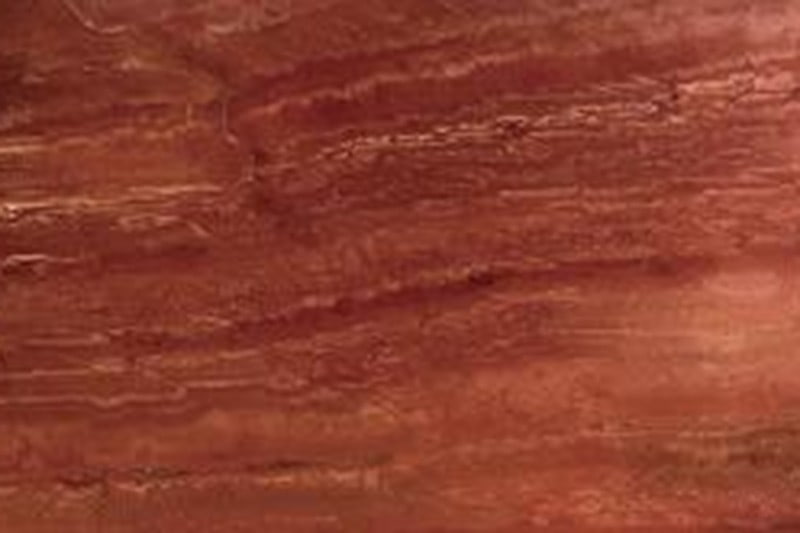
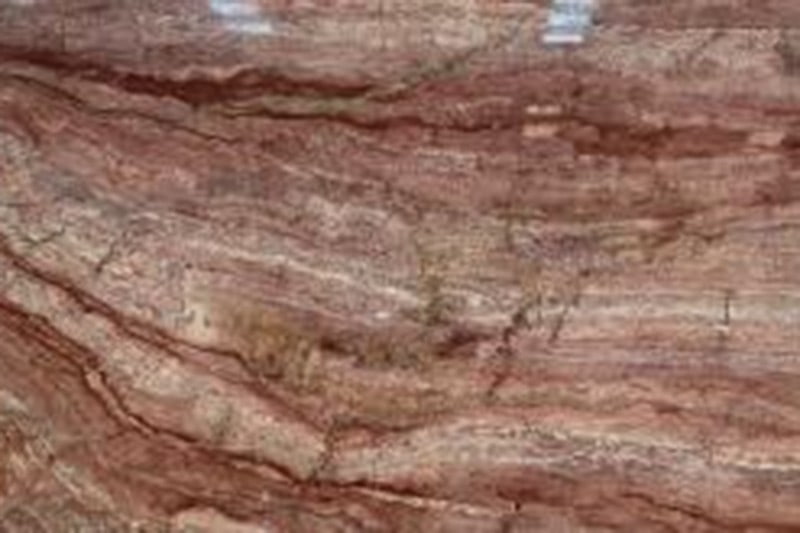
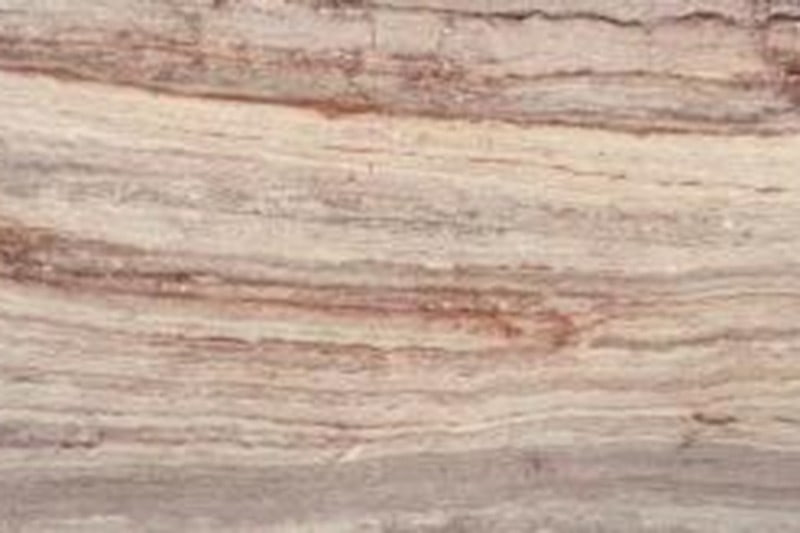
Travertine flooring, a sedimentary limestone derived from natural hot springs or caves, is known as the "eternal stone." Its warm, soft beige hue, unique natural porosity, and varied textures exude an unparalleled vintage elegance and natural charm.
Each travertine floor bears the marks of millennia of sedimentation, each with its own unique texture, ensuring your home's floor is truly one-of-a-kind. You can choose a resin-filled, polished finish for a mirror-like finish, or retain the original porosity for a pristine Tuscan or Mediterranean feel. Its exceptional durability and temperature-stabilizing properties bring lasting comfort and value to any space.
Whether used in a classically elegant home or a modern, minimalist space, travertine flooring becomes an artistic foundation connecting nature and life, mellowing with age.
Message Feedback
Company
Nantong Yunju New material Technology Co., Ltd.
News
-
Picture this: you walk into a stone showroom and run your hand over a polished marble tile. It looks elegant, but a dozen questions race through your mind. Will it scratch? Is it slippery? How much work is it to keep clean? Those are fair concerns. Marble floor tile can be a durable, long-lasting choice when you match...
READ MORE -
A marble dining table is one of the few pieces of furniture that changes character with the time of day. The same slab reads cool grey in the morning, warm cream under a pendant light, and almost metallic at night. That visual range is exactly why so many buyers choose by appearance alone, then discover six months lat...
READ MORE -
A marble console table usually occupies one of the most exposed positions in a home: the entryway wall, the end of a hallway, or the space behind a living room sofa. It is the first surface guests notice when they enter, and it carries everyday objects such as keys, mail, and decorative trays. Choosing the right one t...
READ MORE
Travertine Flooring Industry knowledge
Geological Formation, Structural Characteristics, and Performance Differences Between Travertine and Limestone Flooring Systems
Geological Provenance and Formation Mechanisms
While both materials fall within the broader sedimentary rock classification, travertine and limestone develop under distinct geological conditions that dictate their mechanical properties and visual profiles. Traditional limestone forms primarily in marine environments through the accumulation and compaction of organic marine debris, shell fragments, and calcium carbonate precipitates over millions of years. This marine origin results in a dense, uniform mineral matrix with subtle shell inclusions and consistent background coloration. In contrast, travertine originates in terrestrial geothermal environments, precipitating directly from mineral-rich hot springs and subterranean limestone aquifers. Rapid carbon dioxide degassing during mineral deposition creates the characteristic linear voids, fibrous cavities, and porous channels inherent to the stone.
When selecting materials for travertine flooring projects, understanding these origin differences is critical for determining structural suitability. Raw travertine exhibits an open-pored structure that requires targeted processing, whereas limestone presents a relatively continuous, fine-grained mass. Materials processors—such as Nantong Yunju New Material Technology Co., Ltd., based in Haian, Jiangsu—utilize specialized R&D practices to evaluate raw block density before processing. By identifying structural pore distributions early in the manufacturing sequence, fabricators tailor composite lamination and resin-filling protocols to stabilize the porous matrix of travertine for high-traffic interior floors.
Porosity Distributions and Surface Sealing Requirements
The defining physical divergence between limestone and travertine lies in internal pore distribution and surface void density. Limestone possesses micro-porosity distributed evenly throughout its calcitic mass, creating a uniform absorption rate across the entire tile. Travertine features macro-porosity characterized by larger surface pits and interconnected internal channels. Left untreated, unsealed travertine flooring can collect dust, organic oils, and liquid spills within its surface cavities, accelerating wear and complicating routine maintenance. Consequently, travertine tiles require factory-applied or site-applied resin fillings—typically transparent epoxies or color-matched cementitious grouts—to fill surface voids before final honing or polishing.
Modern composite engineering significantly alters traditional porosity management for both material types. Advanced fabrication facilities convert raw quarried blocks into ultra-thin stone veneers measuring 1mm to 3mm, which are then bonded to high-strength composite backings such as porcelain, fiber cement, or aluminum honeycomb. Technical methods developed at Nantong Yunju New Material Technology Co., Ltd.’s 60 mu production site apply vacuum-pressure polymer resin impregnation to thin stone sheets. This process forces liquid resins deep into the subterranean voids of travertine, transforming its naturally porous face into a sealed, hydrophobic barrier while preserving its distinct linear aesthetic.
| Physical Attribute | Traditional Limestone Flooring | Travertine Flooring (Composite/Filled) |
|---|---|---|
| Geological Origin Environment | Marine sedimentary basin deposition | Terrestrial geothermal spring precipitation |
| Structural Void Distribution | Uniform micro-porosity throughout matrix | Concentrated macro-porosity and linear void bands |
| Surface Resin Stabilization | Standard topical sealer or light honing | Vacuum resin impregnation / void-filling compound |
| Flexural Stress Behavior | Uniform load distribution across solid body | Stress concentrates along natural void lines unless composite-backed |
| Visual Pattern Character | Fossilized grain, subtle shell specks, soft tones | Linear veining, fibrous textures, warm earth tones |
Flexural Resilience and Subfloor Load Distribution
The presence of natural voids impacts the mechanical strength of full-thickness stone slabs under flexural load. Unreinforced solid 20mm travertine slabs exhibit variable tensile strength, making them prone to cracking along internal void lines when subjected to subfloor deflection, impact forces, or heavy point loads. Limestone, with its more homogeneous crystalline structure, offers higher baseline flexural strength in solid slab formats. However, modern composite cladding techniques equalize these structural differences, expanding the functional application of travertine flooring across commercial and residential spaces.
By laminating ultra-thin stone sheets onto rigid structural substrates, the underlying core absorbs shear forces and distributes concentrated loads evenly across the floor panel. This structural arrangement prevents localized stresses from concentrating along the natural void bands of travertine. Manufacturing operations—such as those managed by Nantong Yunju New Material Technology Co., Ltd.—utilize high-precision slicing equipment and composite lamination to reduce overall tile weight by up to 80 percent while increasing flexural strength beyond that of traditional solid masonry slabs. This allows lightweight stone panels to be installed on elevated floors without requiring extra structural subfloor reinforcement.
Aesthetic Variance, Vein Cutting, and Design Versatility
Visual differences between the two materials influence spatial perception in architectural layouts. Limestone presents a soft, matte visual field with subtle tonal transitions, making it suitable for modern minimalist interiors requiring uniform flooring surfaces. Travertine offers dynamic visual character influenced by cutting orientation during block slitting. When cut parallel to the natural bedding planes (cross-cut), travertine displays cloud-like, concentric mineral formations; when cut perpendicular to the bedding planes (vein-cut), it reveals straight, parallel mineral bands with distinct structural character.
Precision mechanical slicing and digital sequence mapping allow manufacturers to maximize pattern continuity across large floor layouts. By extracting sequential thin stone sheets from a single quarried block, production facilities ensure tight color matching and flowing vein alignments across large shipments of travertine flooring. This processing yield allows interior designers to cover expansive floor plans with natural stone while maintaining chromatic consistency that traditional, thick-slab gang-sawing cannot replicate.
| Performance Parameter | Solid 20mm Limestone Tile | Composite Ultra-Thin Travertine Panel |
|---|---|---|
| Unit Weight Burden | Approximately 45 to 55 kg/m² | Approximately 3.5 to 8.5 kg/m² |
| Thermal Conduction Efficiency | Slow heat transfer through thick stone mass | Rapid thermal conduction via thin stone face |
| Site Breakage Risk during Handling | Moderate; vulnerable along micro-fissures | Low; composite backing absorbs kinetic shock |
| Field Cutting Protocol | Heavy wet diamond saw required | Standard diamond tile saw or angle grinder |
| Long-Term Surface Maintenance | Periodic topical re-sealing required | Infrequent re-sealing due to factory resin filling |
Environmental Resistance, Thermal Behavior, and Daily Care
Both stone types consist primarily of calcium carbonate, rendering them sensitive to acidic chemical compounds such as vinegar, citrus juices, and harsh bathroom cleaners. When exposed to acids, calcite minerals undergo chemical etching, resulting in dull surface spots. However, factory-applied polymer impregnations and topical penetrating sealers mitigate these chemical vulnerabilities. In terms of thermal performance, both stone options are compatible with underfloor radiant heating systems, though thin composite panels transfer thermal energy faster than thick solid slabs due to their reduced mass.
Routine care for travertine flooring requires dry-dusting with a microfiber mop to clear abrasive grit, followed by periodic damp mopping using a pH-neutral cleaner formulated for natural stone. Because factory vacuum resin filling seals the micro-voids during panel assembly, modern composite travertine flooring resists fluid penetration and daily soil accumulation, delivering long-term structural durability and visual stability across high-traffic residential and commercial environments.
FAQ
Q: How do factory resin-filling processes protect the porous surface of travertine flooring from trapping dirt and liquid spills?
A: Raw travertine features natural voids and linear cavities formed during geothermal precipitation. During ultra-thin panel manufacturing, specialized vacuum-pressure resin impregnation—such as the surface stabilization methods utilized by Nantong Yunju New Material Technology Co., Ltd.—forces high-grade polymer resins deep into these microscopic pores before final surface honing. This transforms the open-pored face into a smooth, hydrophobic barrier that prevents dirt accumulation and liquid absorption.
Q: What structural advantages does composite ultra-thin travertine flooring offer over traditional thick solid stone tiles?
A: Full-thickness 20mm travertine slabs are heavy and prone to cracking along natural void lines under flexural stress. Composite panels bond a 1mm to 3mm travertine veneer onto a resilient substrate, such as porcelain or fiberglass mesh. This backing acts as a shock absorber, distributing localized loads evenly across the tile, preventing brittle fracturing, and reducing total floor weight by up to 80 percent.
Q: Can composite travertine flooring be installed over existing subfloors or on upper building levels without structural reinforcement?
A: Yes. Because composite lamination significantly reduces panel mass compared to solid stone masonry, the structural dead load on building subfloors is minimized. This low weight profile allows installers to lay thin travertine flooring panels on upper-story residential spaces, elevator cabs, and retrofit projects using standard thin-set mortars without reinforcing the underlying subfloor.
Q: How does switching from solid travertine slabs to ultra-thin composite panels improve heat transfer from underfloor radiant heating systems?
A: Solid stone slabs act as thick thermal insulators, taking considerable time to absorb and radiate heat into a room. The reduced stone thickness of composite travertine flooring offers significantly lower thermal resistance, allowing heat from radiant floor coils to transfer rapidly and uniformly across the living space without causing internal thermal stress or adhesive breakdown.
Q: What measures are taken during high-volume production to maintain color tone and veining harmony across large travertine flooring shipments?
A: Consistency across bulk commercial orders relies on sequential block slicing and digital mapping software. Production facilities, including the advanced processing operations at Nantong Yunju New Material Technology Co., Ltd. in Haian, extract dozens of thin stone sheets consecutively from the exact same quarried block. This enables precise sequence-matching and vein alignment across expansive floor layouts, avoiding mismatched chromatic bands.
Q: What routine cleaning tools and methods are recommended to preserve the polished or honed surface of travertine flooring?
A: Daily care simply requires sweeping or dry-dusting with a soft microfiber mop to remove abrasive sand and grit. For damp cleaning, use warm water mixed with a mild, pH-neutral stone cleaner. Acidic household solutions like vinegar or lemon sprays must be strictly avoided, as acid reacts with the calcium carbonate in travertine, causing dull chemical etch marks.
Q: How does the impact resistance of composite-backed travertine compare to unreinforced natural stone when heavy objects are dropped?
A: Unreinforced travertine is intrinsically brittle, often cracking along internal geological voids upon impact. The multi-layer construction of composite travertine flooring transfers kinetic energy directly into the flexible substrate backing rather than allowing stress to concentrate along the stone’s internal fault lines, drastically lowering the risk of surface chipping and tile breakage.
Yunju
Contact
-
 56 Ronggang Road, Binhai New Area, Laoba Port, Hai'an City, Nantong City, Jiangsu Province
-
 [email protected]
[email protected]

Mobile

Copyright ©Nantong Yunju New material Technology Co., Ltd.Rights Reserved.
 Custom Travertine Flooring Manufacturers