
Nantong Yunju New material Technology Co., Ltd. is China Onyx Wall Panels Suppliers and Onyx Wall Panels Manufacturers, located in Haian, Jiangsu — the cradle of Jianghai Civilization. Established in 2021, the company specializes in the R&D, production, sales, and service of ultra-thin stone. As a modern innovative enterprise, it occupies a land area of 60 mu and is committed to delivering superior stone solutions to the market, supported by strong in-house R&D capabilities and advanced production techniques.
The company holds multiple invention and utility model patents, and has gathered an experienced team of technical and management professionals. The core team includes 6 specialized thin-stone technicians, 50 skilled workers, 5 quality control specialists, 6 production management staff, and 5 sales representatives, providing solid human resource support for product development, manufacturing, and end-to-end quality assurance.
Equipped with over 30 sets of specialized machinery, we have established a streamlined and efficient production process from raw blocks to finished products. Within just over two years of operation, our annual production capacity has reached approximately 300,000 square meters. We have become the designated stone supplier for more than 20 domestic and international furniture manufacturers. In addition, we have established stable partnerships with numerous design institutes and decoration companies, supplying high-quality ultra-thin stone and marble composite materials for a variety of key projects.

Onyx Wall Panels Suppliers
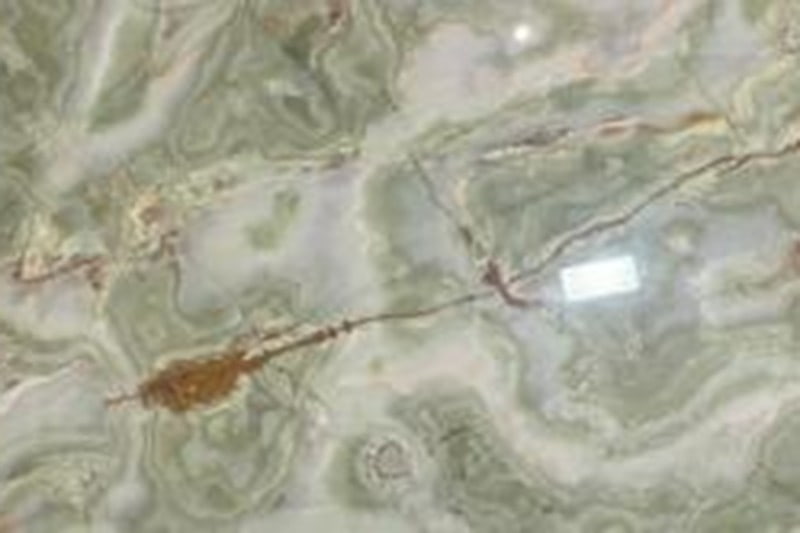
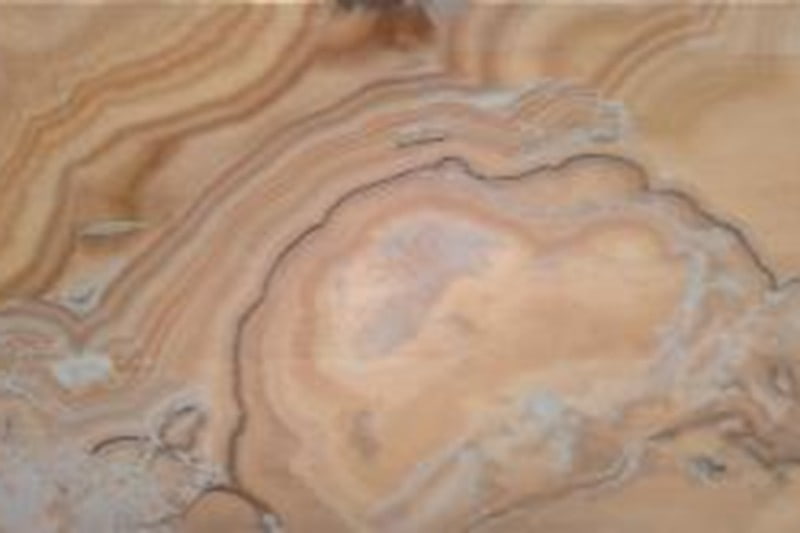
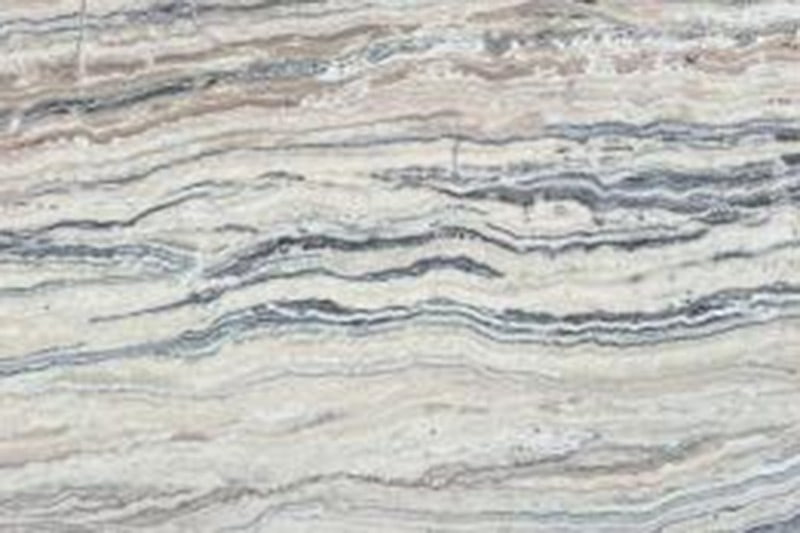
Onyx wall panels are a high-end decorative material often used to enhance the visual appeal and quality of interior spaces. Made from natural onyx stone, these panels feature unique textures and colors, creating a natural, elegant, and luxurious atmosphere. Due to their translucent nature, Onyx wall panels create beautiful playful shadows under light, imbuing any space with an artistic and modern feel. Suitable for a variety of settings, including residences, hotels, lobbies, bathrooms, and commercial spaces, Onyx wall panels add a unique touch of charm to any interior.
These wall panels not only offer a captivating appearance but also possess durability and pressure resistance, withstanding daily use without damage. Through sophisticated craftsmanship, Onyx wall panels can be cut and spliced to your needs, even incorporating backlighting to create stunning effects. More than just an aesthetic decoration, Onyx wall panels combine functionality and artistry, making them a vital element in modern interior design.
Message Feedback
Company
Nantong Yunju New material Technology Co., Ltd.
News
-
Picture this: you walk into a stone showroom and run your hand over a polished marble tile. It looks elegant, but a dozen questions race through your mind. Will it scratch? Is it slippery? How much work is it to keep clean? Those are fair concerns. Marble floor tile can be a durable, long-lasting choice when you match...
READ MORE -
A marble dining table is one of the few pieces of furniture that changes character with the time of day. The same slab reads cool grey in the morning, warm cream under a pendant light, and almost metallic at night. That visual range is exactly why so many buyers choose by appearance alone, then discover six months lat...
READ MORE -
A marble console table usually occupies one of the most exposed positions in a home: the entryway wall, the end of a hallway, or the space behind a living room sofa. It is the first surface guests notice when they enter, and it carries everyday objects such as keys, mail, and decorative trays. Choosing the right one t...
READ MORE
Onyx Wall Panels Industry knowledge
Visual Expression and Architectural Characteristics of Onyx Wall Panels
Crystalline Translucency and Light Transmission Dynamics
Onyx is a sedimentary and metamorphic rock composed primarily of microcrystalline calcite or aragonite minerals. The defining visual characteristic of onyx wall panels lies in their high degree of natural light transmittance. Unlike traditional dense stone materials such as granite or dark marbles, the crystalline lattice of onyx permits natural or artificial light to pass through its internal structure. When integrated with artificial backlighting, the stone converts from a solid surface into a light-emitting element, bringing attention to internal mineral formations that remain hidden under reflective surface illumination.
To maximize this optical property without compromising structural stability, modern manufacturing utilizes composite engineering. Processing facilities, such as those operated by Nantong Yunju New Material Technology Co., Ltd. in Haian, Jiangsu, specialize in slicing natural stone blocks into ultra-thin sheets measuring between 2mm and 4mm. Bonding these thin stone layers to high-translucency backings like tempered glass, polycarbonate, or acrylic allows onyx wall panels to achieve optimal light passage. This engineered construction enables backlight arrays to evenly illuminate wall installations in hotel lobbies, feature walls, and reception areas with low thermal loss.
Chromatographic Layering and Fluid Mineral Banding
The visual depth of onyx wall panels stems from thousands of years of mineral deposition in geothermal springs and cold-water karst caves. As water rich in dissolved iron, manganese, and calcite flows through subterranean fissures, it deposits successive mineral layers that crystallize over time. This slow deposition creates concentric, fluid, and parallel banding patterns that vary in thickness and density across every individual slab. The color spectrum of natural onyx spans translucent ivories, warm amber, emerald greens, deep rust tones, and soft pastel pinks within a single surface.
The organic fluidity of these mineral bands provides architectural interiors with an evolving visual landscape. When front-lit, onyx wall panels exhibit a smooth, polished sheen with subtle color transitions. When backlit, the internal mineral veins become prominent, displaying sharp contrast between dense iron-rich deposits and translucent calcite channels. Advanced material processing at Nantong Yunju New Material Technology Co., Ltd. leverages precision cutting and surface stabilization to preserve these distinct mineral strata during bulk production, ensuring that natural chromatic variations remain clear and undisturbed across finished panels.
| Optical & Visual State | Surface Reflection Behavior | Internal Mineral Appearance |
|---|---|---|
| Front-Lit (Ambient Light) | Smooth polished luster with soft specular highlights | Subtle tonal shifts with muted background veining |
| Back-Lit (Integrated LED) | Diffuse ambient glow across translucent zones | High-contrast revelation of dense mineral bands and fissures |
| Unlit Natural State | Standard mineral stone appearance with organic banding | Depth perception determined by surface polish and natural clarity |
Symmetry Alignment and Book-Matching Grain Continuity
Because natural onyx forms in distinct geological blocks, achieving visual balance across expansive interior walls relies on precise slab extraction and alignment strategies. Book-matching involves cutting consecutive thin stone sheets from the same quarried block and mirroring adjacent panels along a central seam. When installed as onyx wall panels, this technique creates symmetrical geometric patterns, such as diamond, hour-glass, or radial wave shapes, formed by the natural mineral veins meeting at panel joints.
Precision mechanical slicing is essential for successful book-matching because thick saw-kerf waste between cuts disrupts the continuity of delicate mineral veins. Utilizing advanced R&D capabilities and specialized cutting equipment across its 60 mu facility, Nantong Yunju New Material Technology Co., Ltd. extracts ultra-thin stone sheets with minimal kerf loss. This precision allows sequential onyx wall panels to retain tight vein alignment, enabling architects and interior designers to create large-scale feature walls with continuous grain flow and balanced visual symmetry.
Surface Finish Options and Tactile Texture Responses
The visual presentation of onyx wall panels is also governed by the surface finishing technique applied during factory processing. A polished finish is the most common selection, as high-gloss mechanical buffing closes micro-fissures, sharpens surface clarity, and enhances light reflection. The high reflectivity of polished onyx accentuates the stone’s internal depth, making small spaces appear larger through ambient light redistribution.
Alternatively, honed or satin finishes offer a softer visual response by diffusing light across a non-reflective matte surface. Honed finishes soften color contrasts, presenting a understated tactile quality suitable for residential living areas or spa environments where glare reduction is desired. Leathered or textured finishes alter the surface topographically, following the natural hardness variations of the underlying mineral bands. Soft calcite zones recede slightly while harder quartz deposits remain raised, providing a three-dimensional visual and tactile profile that interacts with directional spotlighting.
| Surface Finishing Type | Visual Impact on Translucency | Maintenance & Light Reflection Properties |
|---|---|---|
| Polished Finish | Enhances crystalline clarity and maximizes backlighting output | High specular reflection; easily wiped clean with non-abrasive tools |
| Honed (Matte) Finish | Creates a soft, diffuse glow with reduced surface glare | Low specular reflection; conceals minor finger marks and dust |
| Leathered (Textured) Finish | Adds three-dimensional shadow effects along mineral bands | Tactile surface depth; requires gentle brush cleaning inside crevices |
Spatial Adaptability in High-End Architectural Applications
The unique visual properties of onyx wall panels allow them to function as central visual anchors within interior spaces. When used in grand foyers, bar fronts, elevator surrounds, or executive boardrooms, the natural translucency and intricate veining of the stone establish a distinct material identity. The ability to integrate custom LED arrays directly behind composite panels allows lighting designers to control color temperature and dimming levels, adjusting the wall's visual intensity from bright daytime illumination to muted evening ambiance.
Furthermore, the lightweight nature of composite thin stone panels expands their application potential beyond static structural walls. Because thin onyx veneers bonded to lightweight backings carry significantly less weight than traditional 20mm solid stone slabs, they can be integrated into ceiling panels, floating partitions, and door cladding. This flexibility enables uniform design themes to extend across multiple architectural surfaces while maintaining structural safety and visual coherence throughout the interior space.
FAQ
Q: How do composite onyx wall panels improve the effectiveness of backlighting compared to traditional solid stone slabs?
A: Traditional 20mm solid onyx slabs are thick and dense, which significantly obstructs light transmission and requires high-intensity, heat-generating light sources. Composite panels utilize ultra-thin stone veneers (2mm to 4mm) laminated onto high-clarity tempered glass or acrylic backings. This reduced thickness allows natural and LED light to pass through the crystalline structure more efficiently, creating a brighter, more uniform glow with significantly lower energy consumption.
Q: Will the fragile mineral structure of onyx cause wall panels to crack when installed on surfaces subject to structural vibration?
A: Solid onyx is naturally brittle and prone to fracturing along mineral veins when subjected to shear stress. Modern manufacturing—such as the lamination techniques refined by Nantong Yunju New Material Technology Co., Ltd.—bonds the stone veneer to a flexible, high-tensile backing core like aluminum honeycomb or fiberglass. This substrate acts as an energy-absorbing layer, isolating the stone from building movement and preventing stress-related cracking.
Q: How does the weight of composite onyx panels impact installation requirements for high-rise or commercial interior projects?
A: Full-thickness stone slabs create massive dead loads, often exceeding 50 kg/m², which require heavy-duty mechanical anchors and reinforced sub-walls. Composite onyx panels reduce this weight by up to 75 percent. This allows architects to install large-format backlit feature walls directly onto standard drywall or metal stud framing using structural adhesives, eliminating the need for expensive structural modifications.
Q: What processing methods are used to prevent moisture and impurities from entering the porous surface of natural onyx?
A: Because onyx is a calcite-based stone with microscopic surface pores, factory-level stabilization is mandatory. Production facilities, including the specialized workshops at Nantong Yunju New Material Technology Co., Ltd., employ vacuum-pressure resin impregnation. This process forces polymer resins deep into the stone matrix, sealing internal micro-fissures and creating a non-porous surface that resists water staining and chemical discoloration.
Q: Can fabricators achieve continuous vein matching across a large multi-panel feature wall?
A: Yes. Advanced precision slicing allows for dozens of ultra-thin veneers to be extracted consecutively from a single quarried block. By using digital sequence mapping, fabricators can index and book-match these sequential sheets. This ensures that the organic mineral banding and color flow remain perfectly aligned across expansive wall spans, maintaining the visual integrity of the natural stone.
Q: What is the recommended routine for cleaning and maintaining the luster of backlit onyx wall surfaces?
A: Daily care requires only a soft, dry microfiber cloth to remove dust. For occasional cleaning, use a damp cloth with a mild, pH-neutral cleaner specifically formulated for natural stone. Homeowners and facility managers must avoid acidic cleaners, vinegar, or abrasive scouring pads, as these can etch the polished surface and degrade the factory-applied sealer that protects the stone’s clarity.
Q: How do composite backing materials contribute to the thermal stability of onyx wall installations?
A: When onyx is backlit by LED arrays, heat buildup can occur. The composite backing materials used in our ultra-thin panels—such as aluminum or specialized polymers—act as heat dissipators. By spreading thermal energy across the panel surface, these backings prevent localized hot spots that could cause internal thermal expansion stress or damage to the stone’s crystalline structure.
Yunju
Contact
-
 56 Ronggang Road, Binhai New Area, Laoba Port, Hai'an City, Nantong City, Jiangsu Province
-
 [email protected]
[email protected]

Mobile

Copyright ©Nantong Yunju New material Technology Co., Ltd.Rights Reserved.
 Custom Onyx Wall Panels Manufacturers