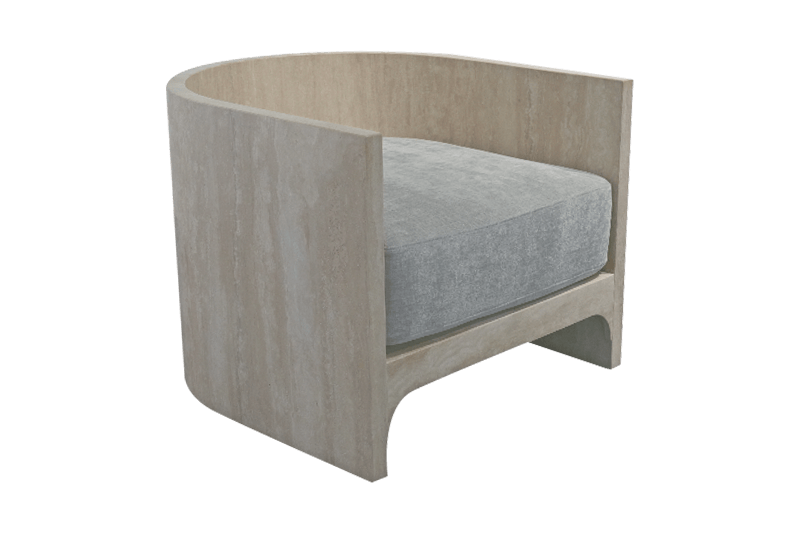


Nantong Yunju New material Technology Co., Ltd. is China Marble Home Furnishing Manufacturers and Marble Home Customizer Factory, located in Haian, Jiangsu — the cradle of Jianghai Civilization. Established in 2021, the company specializes in the R&D, production, sales, and service of ultra-thin stone. As a modern innovative enterprise, it occupies a land area of 60 mu and is committed to delivering superior stone solutions to the market, supported by strong in-house R&D capabilities and advanced production techniques.
The company holds multiple invention and utility model patents, and has gathered an experienced team of technical and management professionals. The core team includes 6 specialized thin-stone technicians, 50 skilled workers, 5 quality control specialists, 6 production management staff, and 5 sales representatives, providing solid human resource support for product development, manufacturing, and end-to-end quality assurance.
Equipped with over 30 sets of specialized machinery, we have established a streamlined and efficient production process from raw blocks to finished products. Within just over two years of operation, our annual production capacity has reached approximately 300,000 square meters. We have become the designated stone supplier for more than 20 domestic and international furniture manufacturers. In addition, we have established stable partnerships with numerous design institutes and decoration companies, supplying high-quality ultra-thin stone and marble composite materials for a variety of key projects.

Marble Home Furnishings Manufacturers
Marble Home Furnishings refers to a collection of home decor and furniture pieces crafted from or incorporating marble, a timeless and elegant material known for its luxurious appeal. This category includes a wide range of items such as marble coffee tables, side tables, countertops, sculptures, and decorative accessories, all of which highlight the natural beauty and sophistication of marble. Whether it’s sleek, polished surfaces or textured, veined finishes, marble furnishings can add a touch of opulence to any living space, combining both functionality and artistic flair. Ideal for those looking to elevate their interiors with a blend of classic and contemporary style, marble home furnishings offer durability, style, and a unique statement piece for every room.
Message Feedback
Company
Nantong Yunju New material Technology Co., Ltd.
News
-
Picture this: you walk into a stone showroom and run your hand over a polished marble tile. It looks elegant, but a dozen questions race through your mind. Will it scratch? Is it slippery? How much work is it to keep clean? Those are fair concerns. Marble floor tile can be a durable, long-lasting choice when you match...
READ MORE -
A marble dining table is one of the few pieces of furniture that changes character with the time of day. The same slab reads cool grey in the morning, warm cream under a pendant light, and almost metallic at night. That visual range is exactly why so many buyers choose by appearance alone, then discover six months lat...
READ MORE -
A marble console table usually occupies one of the most exposed positions in a home: the entryway wall, the end of a hallway, or the space behind a living room sofa. It is the first surface guests notice when they enter, and it carries everyday objects such as keys, mail, and decorative trays. Choosing the right one t...
READ MORE
Marble Home Furnishings Industry knowledge
Material Dynamics and Performance Attributes of Marble Furniture in Modern Interior Design
Structural Composition and Material Density Characteristics
Traditional furniture relies heavily on organic or engineered wood composites, metals, and synthetic polymers. These materials offer structural flexibility but remain susceptible to moisture absorption, warping, thermal expansion, and surface degradation over time. In contrast, marble furniture incorporates dense metamorphic rock formed through natural geological crystallization under high pressure and temperature. This dense crystalline structure gives marble furniture inherent mass, surface hardness, and resistance to sagging under load. In modern manufacturing, enterprise producers like Nantong Yunju New Material Technology Co., Ltd., operating out of a 60 mu facility in Haian, Jiangsu, combine raw stone extraction with advanced R&D processing to create refined stone components that meet functional furniture standards.
The high density of natural stone creates a distinct physical tactile profile compared to wooden dining tables or laminate desks. While timber can swell when exposed to humidity changes and metal surfaces can oxidize without protective coatings, natural stone maintains dimensional stability across varying indoor environments. When properly sealed, the non-porous polished surface resists structural breakdown, giving stone-based pieces an extended service life in both residential and commercial spaces.
Visual Texture and Geological Pattern Uniqueness in Marble Home Furnishings
Mass-produced wooden, plastic, or laminate furniture relies on printed grain patterns or uniform dye applications to achieve aesthetic consistency. Consequently, multiple units produced in a single manufacturing run exhibit identical surface visuals. Marble home furnishings diverge fundamentally from synthetic uniformity due to the distinct mineral vein distributions inherent to metamorphic rock formations. Calcite veins, iron oxide streaks, and regional mineral deposits create individualized surface patterns across every quarried slab.
This natural variance ensures that each coffee table, side table, or countertop fabricated from natural stone remains visually unique. Interior designers utilize these organic stone patterns to introduce natural focal points into living rooms and dining spaces. Rather than relying on artificial surface prints, marble furniture displays authentic depth and multidimensional color tones that reflect natural geological history.
| Material Category | Primary Composition | Surface Pattern Origin | Moisture & Heat Tolerance |
|---|---|---|---|
| Marble Furniture | Crystalline calcium carbonate / stone composite | Natural mineral veining and geological deposits | High heat tolerance; requires surface sealing against liquid absorption |
| Solid Hardwood | Natural organic cellulose fibers | Natural wood grain growth rings | Moderate heat tolerance; susceptible to moisture swelling and warping |
| Engineered Wood (MDF/Particle) | Compressed wood fibers with synthetic resin | Printed laminate or wood veneer overlays | Low heat tolerance; vulnerable to water expansion and edge peeling |
| Coated Metal Framing | Steel or aluminum alloy tubing | Powder coating or anodized finishes | High heat tolerance; susceptible to scratching and surface oxidation |
Thermal Mass Properties and Environmental Temperature Response
Thermal conductivity represents a core distinction between natural stone and conventional furniture materials. Materials such as timber, upholstery fabrics, and plastics act as thermal insulators that quickly reach ambient room temperature and feel warm to the touch. Marble possesses high thermal density, allowing it to absorb and dissipate surface heat slowly. This thermodynamic property gives marble furniture a cool surface touch, which remains advantageous in warm climates and sunlit room configurations.
When integrated into interior spaces, stone surfaces help regulate localized surface microclimates. Hot serving dishes placed on a solid stone dining table will not scorch or blister the surface in the manner that lacquered wood or plastic laminates do. However, because natural stone conducts thermal energy rapidly away from objects, prolonged contact with cool ambient air keeps the surface cool, adding a distinct physical sensory element to daily residential use.
Weight Considerations, Load Bearing, and Modern Engineering Innovations
The physical mass of standard solid marble slabs presents distinct logistical and installation characteristics compared to lightweight wooden or tubular metal furniture. Solid stone dining tables or large credenzas require robust structural supports to manage the dead load of the tabletop. Transporting full-thickness stone furniture involves careful freight handling, specialized packaging, and reinforced floor loading assessments in upper-story installations.
To overcome traditional weight limitations, modern manufacturing methodologies have transformed how stone is incorporated into home decor. Facilities such as Nantong Yunju New Material Technology Co., Ltd. specialize in ultra-thin stone R&D, producing lightweight stone veneers bonded to composite backings like aluminum honeycomb or glass fiber. These engineering advances allow marble furniture to retain authentic natural stone surfaces while reducing overall unit weight by up to eighty percent. This development simplifies shipping, permits easier repositioning within residential interiors, and expands where stone surfaces can be safely applied.
| Engineering Parameter | Traditional Solid Marble Furniture | Ultra-Thin Composite Marble Furniture | Standard Hardwood Furniture |
|---|---|---|---|
| Average Surface Thickness | 18mm to 30mm solid slab | 1mm to 3mm stone + composite backing | 15mm to 25mm solid wood |
| Areal Weight Distribution | Heavy (approx. 50-75 kg/m²) | Lightweight (approx. 3-8 kg/m²) | Moderate (approx. 12-20 kg/m²) |
| Structural Frame Requirement | Heavy-duty reinforced steel or stone legs | Standard metal, wood, or minimalist framing | Standard joinery and wooden framing |
| Logistical Handling Effort | Requires multi-person lift or hoisting equipment | Single or two-person manual placement | Standard manual assembly |
| Risk of Impact Fracture | Brittle under severe point impact | Enhanced flexural impact resistance via composite layer | Dents or scratches under impact |
Maintenance Requirements and Chemical Interaction Dynamics
Unlike synthetic or sealed metal surfaces, natural marble is a porous alkaline material composed predominantly of calcium carbonate. This chemical makeup dictates specific maintenance protocols for marble home furnishings. Acidic liquids such as fruit juices, wine, or vinegar can react chemically with unsealed marble, causing surface etching or dull spots. Standard wooden furniture typically tolerates mild household cleaners but suffers under standing water or prolonged exposure to sunlight.
Protecting stone surfaces requires periodic application of penetrating impregnating sealers that fill microscopic pores without altering surface breathability or natural color clarity. Modern stone processors, including Nantong Yunju New Material Technology Co., Ltd., apply specialized protective sealants during factory fabrication to bolster stain resistance. Regular care involving neutral pH cleaners ensures that marble furniture retains its smooth texture and structural integrity across decades of everyday household use.
FAQ
Q: How do structural weight differences between traditional stone tables and composite marble furniture impact residential flooring loads?
A: Traditional solid marble tables generate heavy point loads that can strain subfloors or complicate placement on upper levels. Modern composite furniture featuring ultra-thin stone faces bonded to lightweight core substrates substantially reduces dead weight, allowing homeowners to introduce large marble coffee tables and dining surfaces without requiring structural floor reinforcement.
Q: What measures prevent liquid staining and surface etching on dining surfaces within marble home furnishings?
A: Because natural marble contains calcium carbonate, unsealed surfaces react to acidic spills such as fruit juices or wine. High-grade marble furnishings receive factory-applied impregnating sealers that penetrate microscopic pores beneath the surface, creating an invisible barrier that inhibits stain absorption while preserving the stone's natural texture.
Q: How does the incorporation of composite backings by suppliers like Nantong Yunju New Material Technology Co., Ltd. enhance the flexural strength of marble coffee tables?
A: Thin natural stone slices are laminated onto high-strength backing layers such as aluminum honeycomb or fiberglass mesh. This multi-layer construction absorbs tensile stress and impact energy, significantly reducing the brittle fracturing risks commonly associated with solid stone tops during everyday household use.
Q: Can marble furniture components withstand heat exposure from hot cookware and ambient heating elements?
A: Natural marble possesses high thermal tolerance and non-flammable mineral properties, preventing surface blistering or discoloration when exposed to hot serving dishes. When integrated into modern dining tops or sideboard consoles, stone components maintain physical stability better than plastic laminates or varnished wood finishes under temperature fluctuations.
Q: What maintenance routine is recommended to preserve the surface finish of daily-use marble home furnishings?
A: Daily care requires wiping surfaces with a soft cloth and neutral pH cleaners specifically formulated for natural stone. Avoiding abrasive scouring pads and harsh chemical degreasers prevents stripping the protective sealant layer, keeping table surfaces, vanity tops, and decorative consoles pristine over long-term use.
Q: How do natural mineral vein variations affect aesthetic uniformity across batch-produced marble furniture collections?
A: Each natural stone slab possesses distinct calcite veining and mineral color distributions formed through geological processes. Manufacturers like Nantong Yunju New Material Technology Co., Ltd. utilize precise block-matching and thin-slicing methods to align adjacent veneer sheets, ensuring continuous grain flow and visual balance across custom furniture pieces.
Q: What makes flexible ultra-thin stone technology suitable for curved furniture designs and cabinet door facings?
A: Engineering advances allow natural stone cut to ultra-thin thicknesses to retain flexural elasticity when backed by flexible resin meshes. This pliability allows stone veneers to be wrapped around rounded table bases, curved drawer fronts, and sliding cabinet doors that would be impossible to cover with rigid, heavy stone slabs.
Yunju
Contact
-
 56 Ronggang Road, Binhai New Area, Laoba Port, Hai'an City, Nantong City, Jiangsu Province
-
 [email protected]
[email protected]

Mobile

Copyright ©Nantong Yunju New material Technology Co., Ltd.Rights Reserved.
 OEM/ODM Marble Home Furnishings Factory