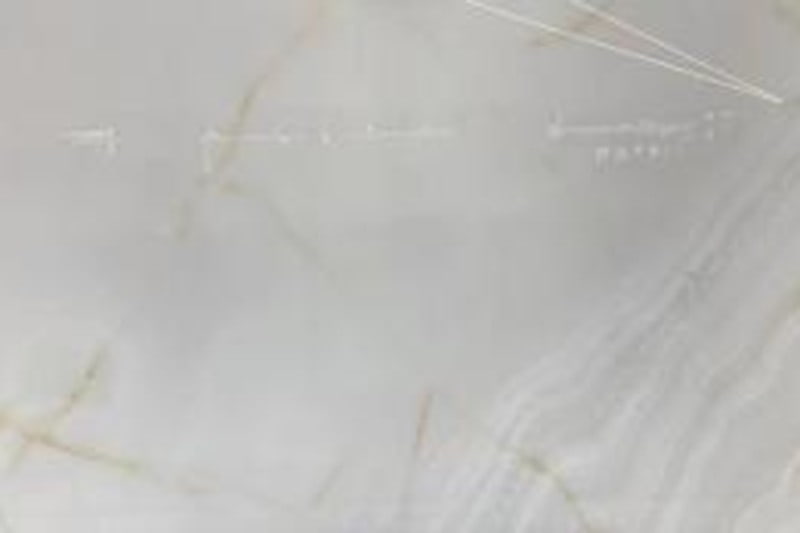
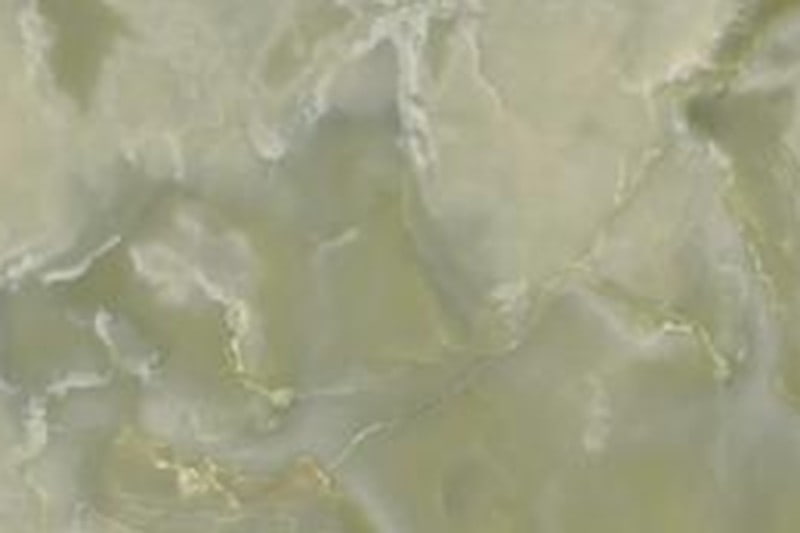
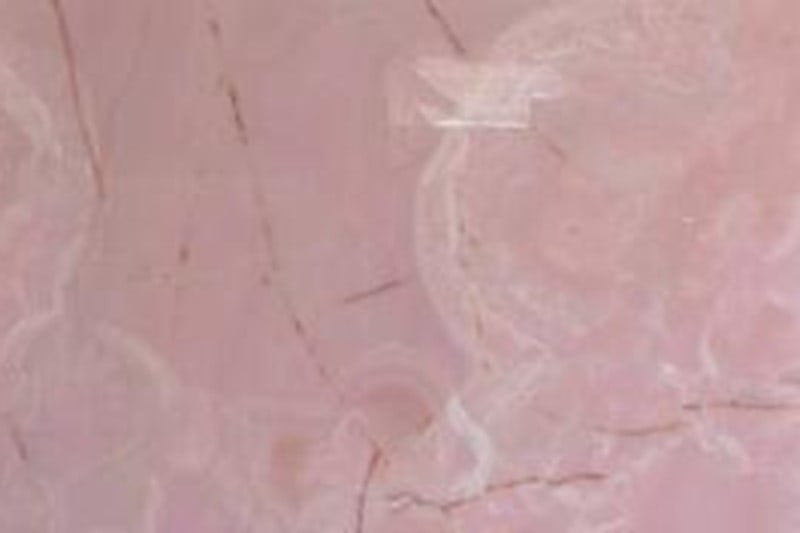

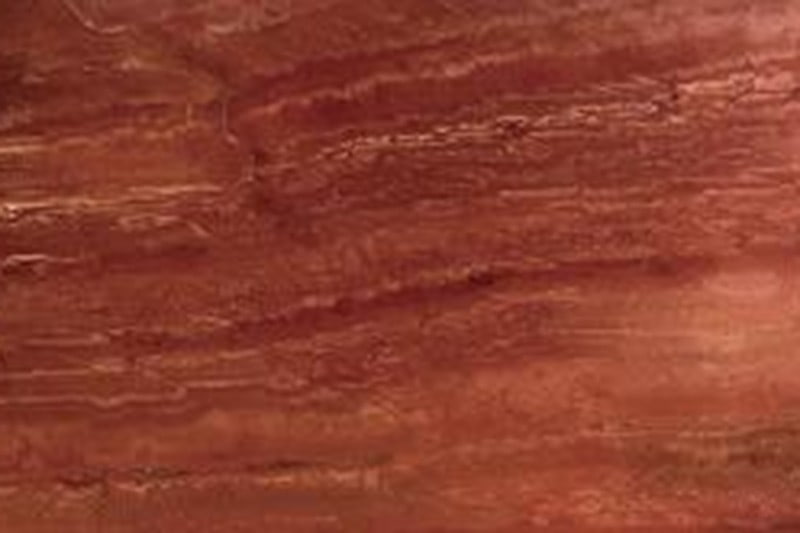
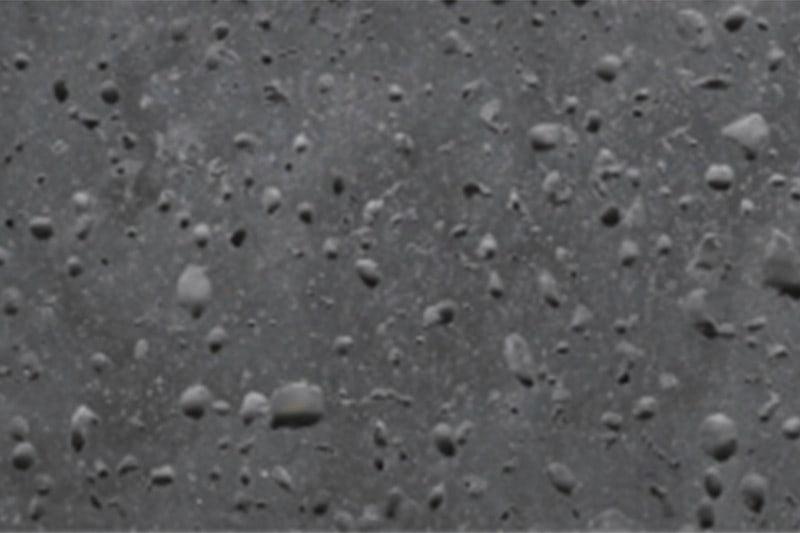
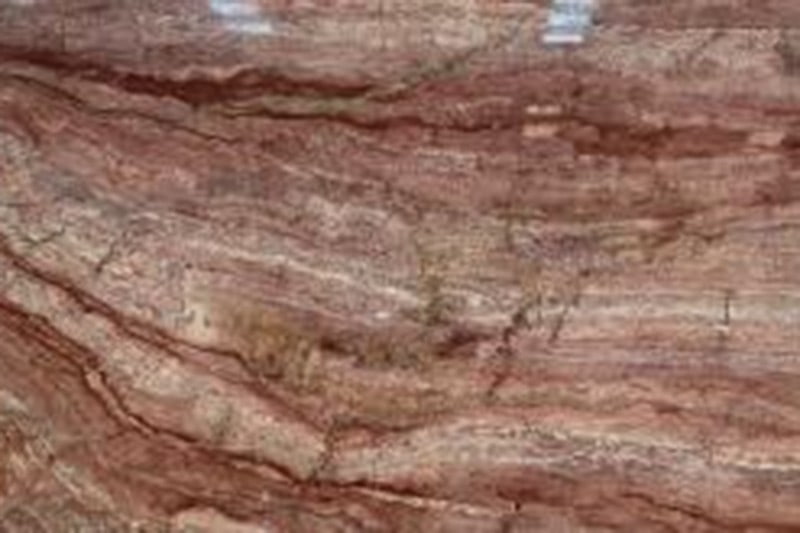
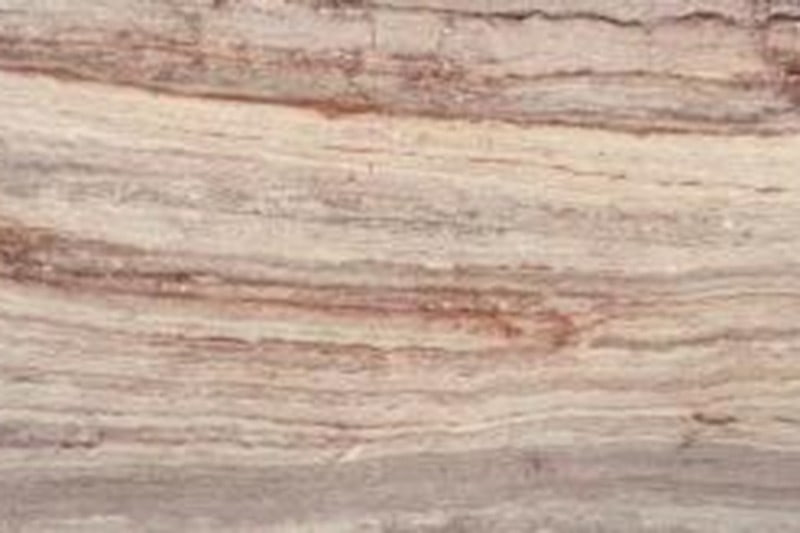
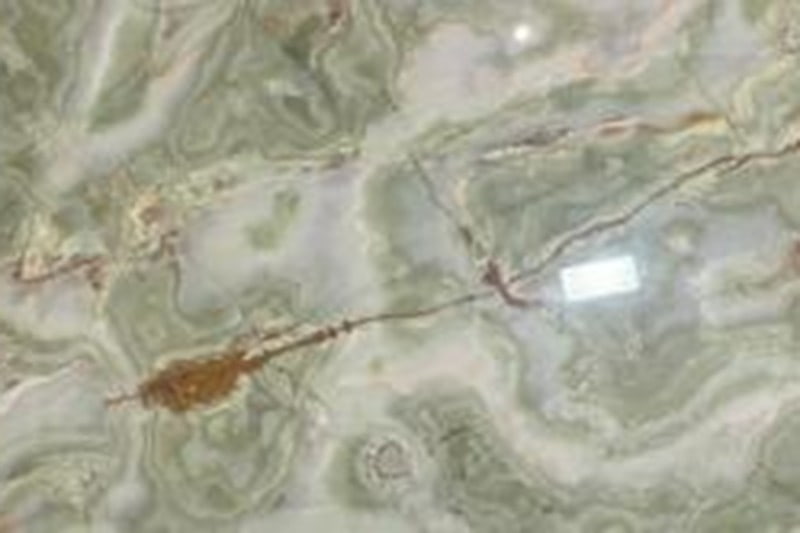

Nantong Yunju New material Technology Co., Ltd. is China Natural Stone Panels Manufacturers and Natural Stone Flooring Factory, located in Haian, Jiangsu — the cradle of Jianghai Civilization. Established in 2021, the company specializes in the R&D, production, sales, and service of ultra-thin stone. As a modern innovative enterprise, it occupies a land area of 60 mu and is committed to delivering superior stone solutions to the market, supported by strong in-house R&D capabilities and advanced production techniques.
The company holds multiple invention and utility model patents, and has gathered an experienced team of technical and management professionals. The core team includes 6 specialized thin-stone technicians, 50 skilled workers, 5 quality control specialists, 6 production management staff, and 5 sales representatives, providing solid human resource support for product development, manufacturing, and end-to-end quality assurance.
Equipped with over 30 sets of specialized machinery, we have established a streamlined and efficient production process from raw blocks to finished products. Within just over two years of operation, our annual production capacity has reached approximately 300,000 square meters. We have become the designated stone supplier for more than 20 domestic and international furniture manufacturers. In addition, we have established stable partnerships with numerous design institutes and decoration companies, supplying high-quality ultra-thin stone and marble composite materials for a variety of key projects.

Natural Stone Panels/Flooring Manufacturers
Our natural stone slabs are constructed from high-quality marble laminated with a waterproof and flame-retardant substrate. Designed for both wall and floor applications, they offer high-end decorative solutions that are both aesthetically pleasing and practical. This innovative composite material overcomes the drawbacks of traditional marble, including its bulk and fragility, preserving its luxurious feel and natural texture while significantly enhancing ease and safety of installation. Whether used for wall decoration or flooring, it ensures exceptional durability and stability, perfectly suited to the needs of a variety of residential and commercial spaces.
Message Feedback
Company
Nantong Yunju New material Technology Co., Ltd.
News
-
Picture this: you walk into a stone showroom and run your hand over a polished marble tile. It looks elegant, but a dozen questions race through your mind. Will it scratch? Is it slippery? How much work is it to keep clean? Those are fair concerns. Marble floor tile can be a durable, long-lasting choice when you match...
READ MORE -
A marble dining table is one of the few pieces of furniture that changes character with the time of day. The same slab reads cool grey in the morning, warm cream under a pendant light, and almost metallic at night. That visual range is exactly why so many buyers choose by appearance alone, then discover six months lat...
READ MORE -
A marble console table usually occupies one of the most exposed positions in a home: the entryway wall, the end of a hallway, or the space behind a living room sofa. It is the first surface guests notice when they enter, and it carries everyday objects such as keys, mail, and decorative trays. Choosing the right one t...
READ MORE
Natural Stones Slabs Industry knowledge
Structural and Operational Advantages of Ultra-Thin Natural Stones Slabs in Architectural Design
Thickness Reduction and Mass Conservation Engineering
Conventional stone processing techniques yield heavy dimensional products that typically range from 15mm to 30mm in thickness. These traditional dimensions place substantial dead loads on building foundations, wall assemblies, and floor systems. Ultra-thin stone manufacturing redefines these structural parameters by slicing raw stone blocks into thin sheets measuring between 1mm and 3mm. Advanced manufacturing enterprises, such as Nantong Yunju New Material Technology Co., Ltd. located across a 60 mu production site in Haian, Jiangsu, utilize specialized cutting and lamination machinery to produce lightweight stone panels that maintain authentic surface geological patterns. By reducing sheet thickness, the structural weight drops from approximately 50 to 70 kilograms per square meter down to 1.5 to 3.5 kilograms per square meter.
The decrease in mass transforms structural engineering options for both interior and exterior architectural projects. Heavy traditional masonry often demands mechanical anchor channels, thick mortar beds, or reinforced backing walls to support the installed stone weight. Lightweight natural stones slabs bypass these heavy load requirements, enabling direct adhesive attachment over drywall, cement board, plywood, and existing tile surfaces. In high-rise developments where cumulative weight restrictions govern material selections, these thin stone sheets allow expansive stone wall installations without compromising total building load margins.
Flexural Resilience and Substrate Adaptability
Dense dimensional stone slabs exhibit high compressive strength but limited flexural tolerance, making full-thickness panels prone to cracking under shear stress or structural deflection. Ultra-thin stone veneer technology integrates high-tensile backing materials—such as fiberglass mesh, polyester resin, or aluminum composite panels—directly onto the rear face of the natural stone slice. This engineered multi-layer composition absorbs shear forces and imparts physical flexibility to what is traditionally a rigid material.
This added flexibility expands installation possibilities across complex architectural geometry. Traditional natural stones slabs require complex multi-piece cutting and beveling to fit around cylindrical columns, arched hallways, or curved reception desks, leaving noticeable joint lines across the surface. Flexible ultra-thin stone can bend around curved radius contours with minimal seam lines, producing continuous natural stone finishes on non-planar surfaces. Additionally, the flexural strength reduces point-impact breakage rates during transport, site handling, and installation.
| Engineering Parameter | Standard Dimensional Stone Slab | Ultra-Thin Composite Stone Panel |
|---|---|---|
| Thickness Range | 15mm to 30mm | 1mm to 3mm |
| Unit Surface Weight | 45 to 75 kg/m² | 1.5 to 4.0 kg/m² |
| Flexural Deflection Capability | Rigid (0 mm bending tolerance) | Flexible (Curved bend radius capability) |
| Primary Installation Substrate | Concrete wall, steel anchor frame, masonry | Drywall, MDF, plywood, glass, existing tile |
| Backing Material Type | Unbacked solid stone | Fiberglass, resin mesh, or aluminum honeycomb |
Resource Yield Optimization and Quarry Preservation
The extraction of natural stone involves finite quarry resources and energy-intensive processing operations. Conventional gang saw methods generate substantial stone dust waste during block slitting, converting valuable raw material into unrecoverable slurry. Ultra-thin mechanical slicing optimizes raw block recovery rates by extracting multiple thin stone sheets from the exact volume of block material that would traditionally produce a single thick slab. This material extraction efficiency maximizes the functional yield derived from each quarried block.
For large-scale commercial and residential projects, higher block yields improve visual pattern matching across extensive wall claddings. Because sequential thin sheets originate from the same stone block section, color tonality, vein direction, and mineral distribution remain consistent across adjacent panels. Manufacturers such as Nantong Yunju New Material Technology Co., Ltd. leverage in-house R&D and advanced slicing techniques to deliver large volume shipments with tight color consistency, reducing batch variations across project phases.
Logistical Efficiency and On-Site Installation Dynamics
Transportation logistics for standard heavy stone slabs face strict weight limitations inside standard shipping containers and freight trucks. Cargo containers carrying standard 20mm natural stones slabs typically hit gross weight capacity long before filling available spatial volume, driving up shipping costs per usable square meter. Ultra-thin stone sheets alter payload density, enabling up to eight to ten times more surface area of stone veneer to fit into a single freight shipment.
On-site installation requirements are similarly transformed by reduced panel mass. Setting standard 30mm marble or granite wall cladding requires multi-person installation teams, heavy mechanical hoists, and temporary support bracing while wet-set mortars cure. Ultra-thin panels can be lifted, aligned, and trimmed by individual installers using standard woodworking power tools and high-tack construction adhesives. Through optimized production techniques, companies like Nantong Yunju New Material Technology Co., Ltd. supply thin stone formats that lower freight overhead while reducing installation labor time on job sites.
| Logistical & Handling Factor | Traditional Heavy Stone Installation | Ultra-Thin Stone Veneer Installation |
|---|---|---|
| Freight Container Capacity | Approx. 400 to 500 m² per container | Approx. 3,500 to 4,500 m² per container |
| On-Site Workcrew Size | 3 to 5 workers plus mechanical lifting rigs | 1 to 2 workers (manual positioning) |
| Cutting & Shaping Equipment | Wet diamond stone saw with water circulation | Standard table saw, shears, or angle grinder |
| Adhesive Bonding System | Thick-bed cement mortar / mechanical anchors | Polyurethane adhesive or MS polymer glue |
| Freight Carbon Footprint per m² | Higher fuel emission ratio per square meter | Lower fuel emission ratio per square meter |
Light Translucency and Thermal Performance Capabilities
Thermal absorption and light transmission characteristics differ between thick natural slabs and ultra-thin composite panels. Standard solid stone slabs are completely opaque, preventing light transmission regardless of illumination intensity. In contrast, specific light-colored varieties of ultra-thin natural stones slabs—such as translucent onyx, white marble, or quartzite bonded to transparent glass or polycarbonate substrates—allow backlight penetration through the stone structure. This optical property permits back-lit feature walls, illuminated counters, and light-emitting architectural panels without custom thinning procedures on job sites.
In thermal applications, heavy stone slabs act as slow thermal masses that absorb ambient heat and delay climate adjustments in regulated indoor environments. Ultra-thin stone veneer bonded to lightweight insulating substrates exhibits rapid thermal responsiveness. This characteristic allows thin stone cladding to integrate efficiently with modern underfloor heating systems and interior radiant wall panels, delivering quick temperature adjustment while maintaining authentic natural stone aesthetics.
FAQ
Q: How do load-bearing requirements differ when installing ultra-thin natural stones slabs compared to heavy dimensional stone?
A: Ultra-thin natural stone panels weigh significantly less than full-thickness 20mm slabs, reducing the structural dead load on building foundations and wall assemblies. This lightweight profile allows installation directly onto standard interior framing, drywall, or existing tiled substrates using construction adhesives, eliminating the need for heavy-duty mechanical steel anchors or reinforced subfloors.
Q: What role do backing composite layers play in protecting thin natural stones slabs against structural impact?
A: Combining a thin layer of natural stone with reinforcement substrates—such as fiberglass mesh, aluminum honeycomb, or resin backings—imparts flexural resilience to the slab. This composite structure absorbs tensile stress and shear forces, making the surface far less prone to brittle cracking during transit, handling, and daily surface use.
Q: How does raw material yield from quarry blocks compare between traditional stone processing and ultra-thin slab manufacturing?
A: Modern slicing technologies utilized by manufacturers like Nantong Yunju New Material Technology Co., Ltd. extract multiple thin veneer sheets from the exact volume of block material that traditionally yielded a single heavy slab. This process minimizes raw stone waste during slitting and maximizes usable surface yield from natural stone deposits.
Q: Can translucent ultra-thin natural stones slabs be utilized for backlighted architectural features?
A: Yes, light-colored marble, quartzite, or onyx varieties cut to ultra-thin profiles and bonded to transparent glass or acrylic substrates allow light to pass through the stone matrix. This enables the creation of illuminated vanity surfaces, backlit accent walls, and ambient commercial counters without requiring custom manual thinning at processing sites.
Q: How do shipping volume and container capacity vary when transporting ultra-thin natural stone panels?
A: Freight containers carrying heavy 20mm dimensional slabs typically hit weight capacity limits long before using all spatial volume. Ultra-thin stone veneer dramatically increases freight density, allowing up to eight to ten times more square footage of stone surface to be shipped in a single transport container, which lowers freight overhead and transit emissions per unit area.
Q: What techniques ensure visual color continuity across large-scale projects using natural stones slabs?
A: Because sequential ultra-thin stone sheets are sliced thin from the exact same raw block section, the natural veining patterns and color tones remain closely aligned across consecutive sheets. Advanced processing capabilities at Nantong Yunju New Material Technology Co., Ltd. allow large project shipments to maintain high visual consistency across expansive wall claddings and interior feature walls.
Q: What tools and adhesive systems are recommended for cutting and mounting thin stone veneer sheets on-site?
A: Unlike heavy stone slabs that require large wet diamond saws and thick cementitious mortar beds, ultra-thin panels can be shaped using standard woodworking saws, angle grinders, or shears. They are typically mounted using flexible polyurethane adhesives or specialized MS polymers, allowing one or two installers to complete fitting without heavy hoisting equipment.
Yunju
Contact
-
 56 Ronggang Road, Binhai New Area, Laoba Port, Hai'an City, Nantong City, Jiangsu Province
-
 [email protected]
[email protected]

Mobile

Copyright ©Nantong Yunju New material Technology Co., Ltd.Rights Reserved.
 OEM/ODM Natural Stone Panels/Flooring Factory