Nantong Yunju New material Technology Co., Ltd. is China Marble Home Decor Factory and Marble Composite Products Manufacturers, located in Haian, Jiangsu — the cradle of Jianghai Civilization. Established in 2021, the company specializes in the R&D, production, sales, and service of ultra-thin stone. As a modern innovative enterprise, it occupies a land area of 60 mu and is committed to delivering superior stone solutions to the market, supported by strong in-house R&D capabilities and advanced production techniques.
The company holds multiple invention and utility model patents, and has gathered an experienced team of technical and management professionals. The core team includes 6 specialized thin-stone technicians, 50 skilled workers, 5 quality control specialists, 6 production management staff, and 5 sales representatives, providing solid human resource support for product development, manufacturing, and end-to-end quality assurance.
Equipped with over 30 sets of specialized machinery, we have established a streamlined and efficient production process from raw blocks to finished products. Within just over two years of operation, our annual production capacity has reached approximately 300,000 square meters. We have become the designated stone supplier for more than 20 domestic and international furniture manufacturers. In addition, we have established stable partnerships with numerous design institutes and decoration companies, supplying high-quality ultra-thin stone and marble composite materials for a variety of key projects.

Marble/Stone Home Decor Products Manufacturers
-
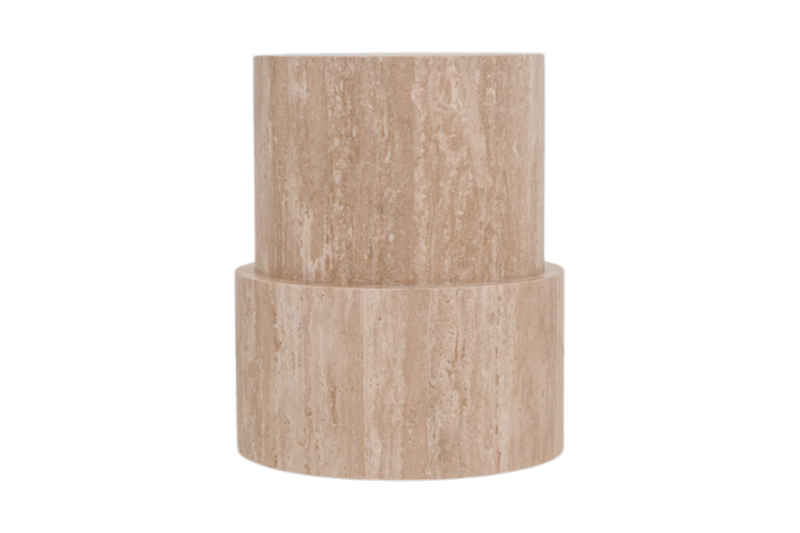 Travertine Corner Table with Stacked Columns
-
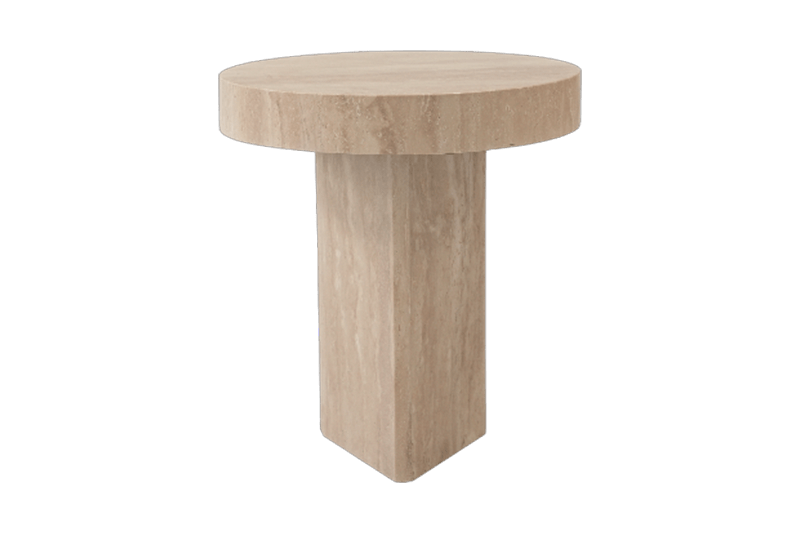 Travertine Corner Table with Round Base
-
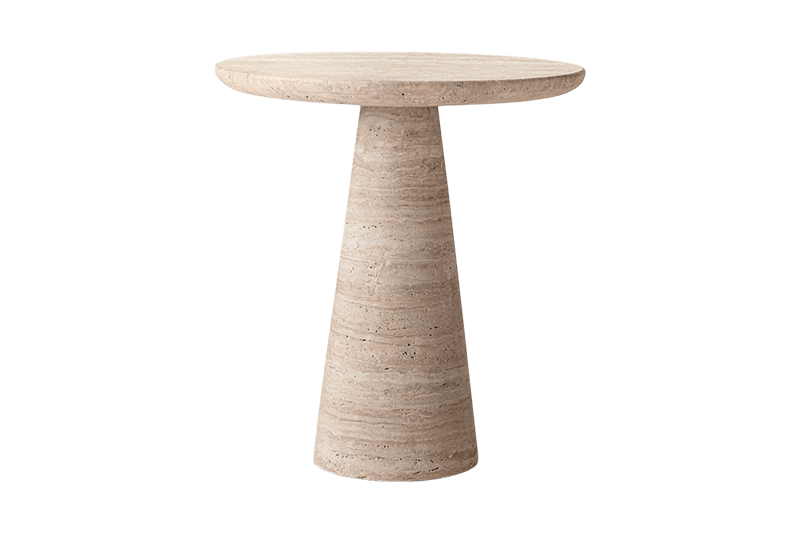 Travertine Corner Table with Pyramidal Cone
-
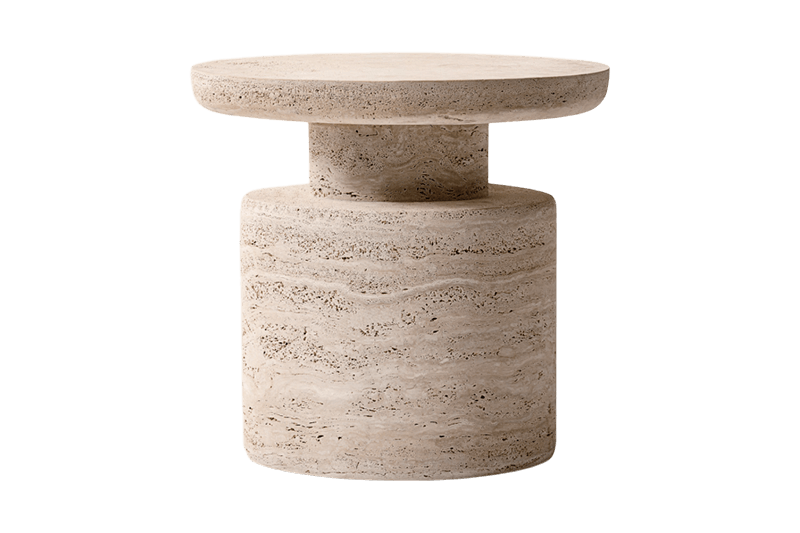 Multi-Layered Circular Cone Corner Table
-
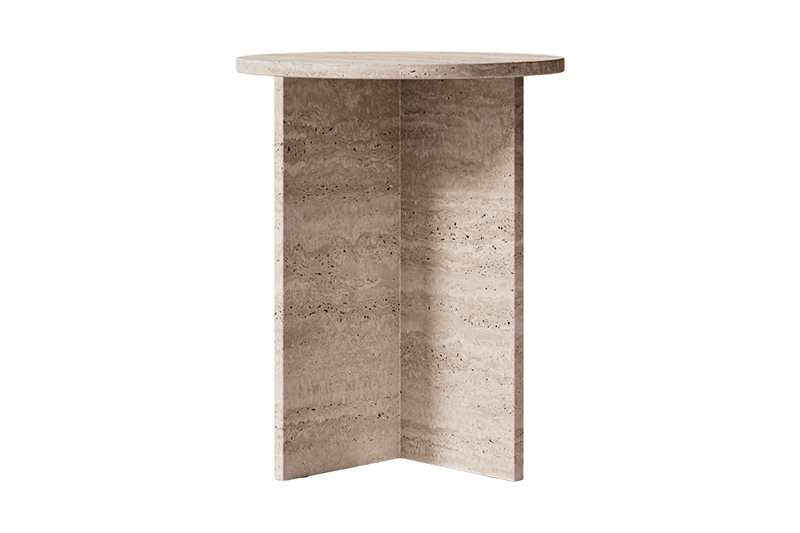 Travertine Corner Table with Round Disc Corner Columns
-
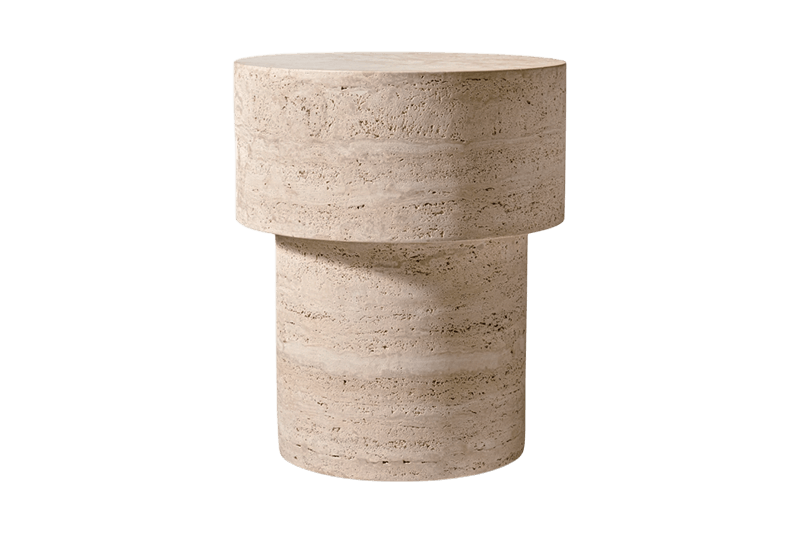 Double-Column Light Brown Travertine Corner Table
-
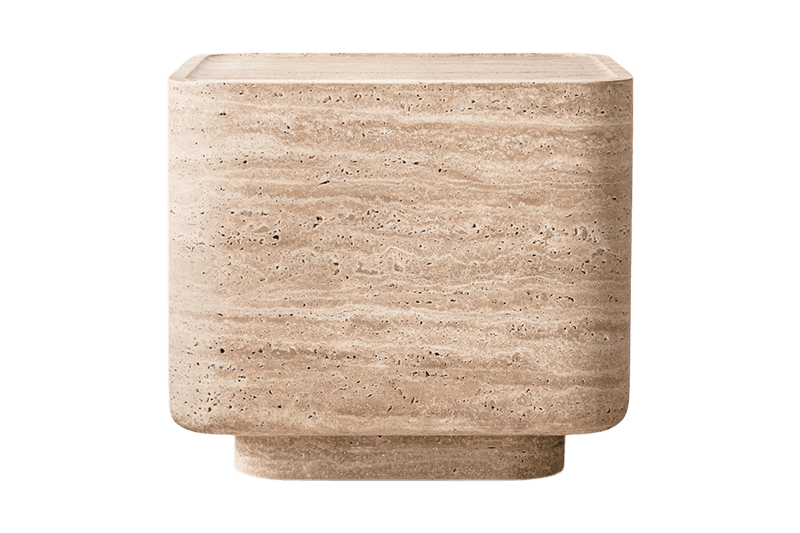 Light Brown Travertine Corner Table with Square Base
-
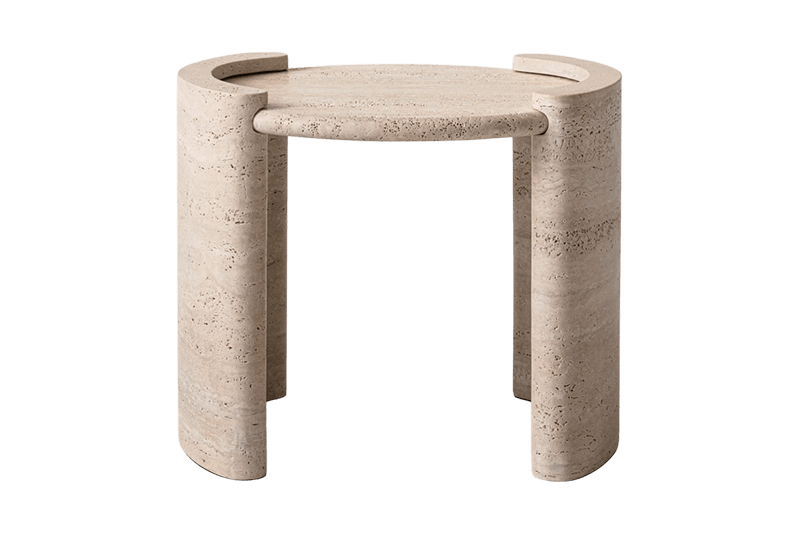 Curved Column Light Brown Corner Table
-
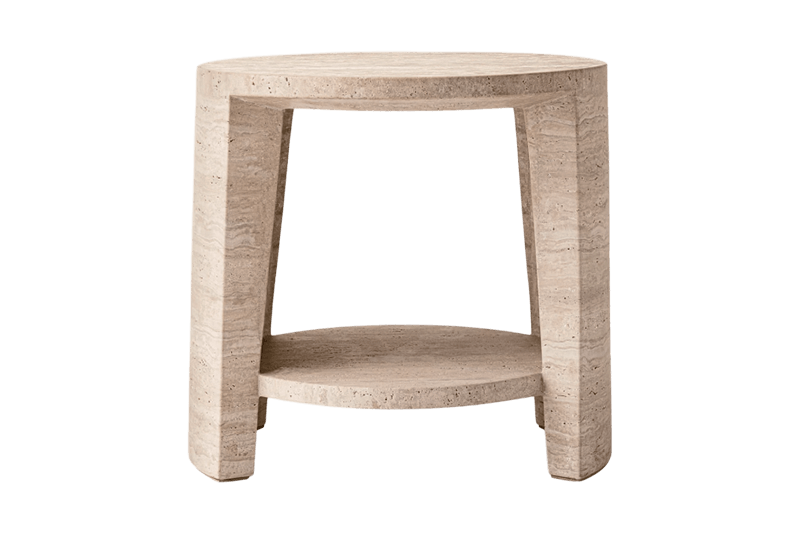 Double-Layer Curved Corner Table
-
 Square Hollow Corner Table
-
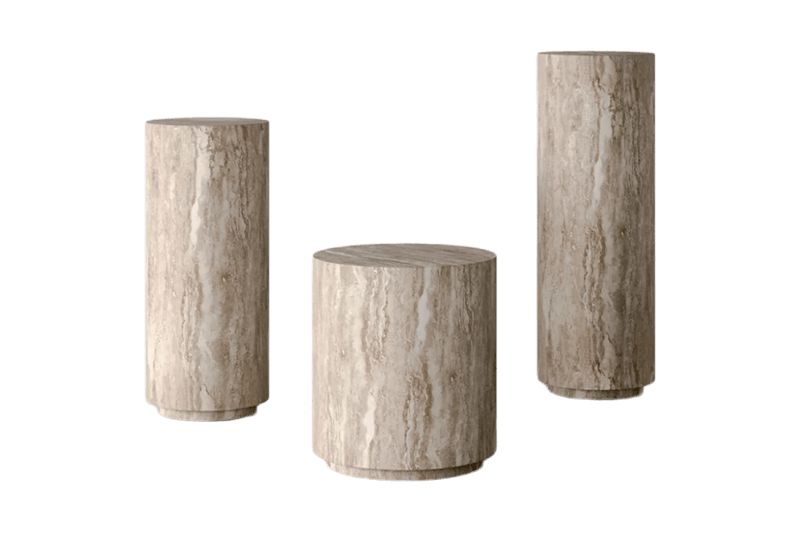 Cylinder Combination Corner Table
-
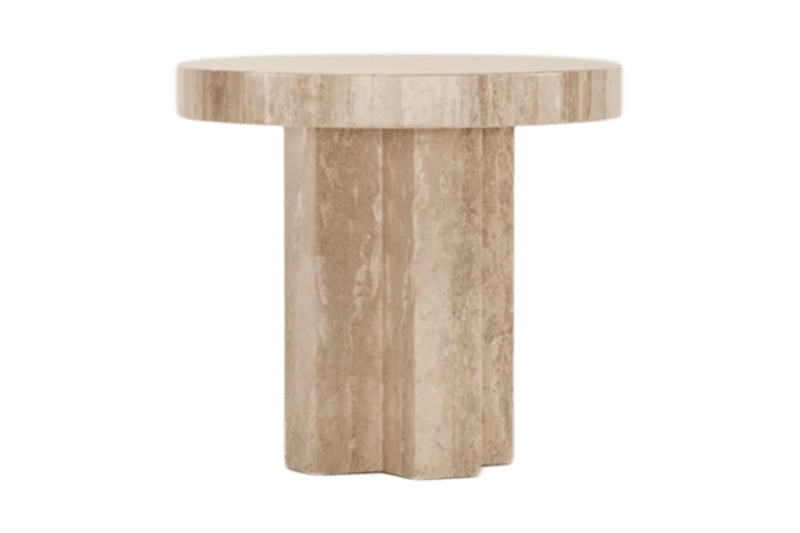 Cylinder Corner Table with Round Base
Message Feedback
Company
Nantong Yunju New material Technology Co., Ltd.
News
-
Picture this: you walk into a stone showroom and run your hand over a polished marble tile. It looks elegant, but a dozen questions race through your mind. Will it scratch? Is it slippery? How much work is it to keep clean? Those are fair concerns. Marble floor tile can be a durable, long-lasting choice when you match...
READ MORE -
A marble dining table is one of the few pieces of furniture that changes character with the time of day. The same slab reads cool grey in the morning, warm cream under a pendant light, and almost metallic at night. That visual range is exactly why so many buyers choose by appearance alone, then discover six months lat...
READ MORE -
A marble console table usually occupies one of the most exposed positions in a home: the entryway wall, the end of a hallway, or the space behind a living room sofa. It is the first surface guests notice when they enter, and it carries everyday objects such as keys, mail, and decorative trays. Choosing the right one t...
READ MORE
Products Industry knowledge
Technical Comparison Between Ultra-Thin Marble and Traditional Stone in Marble Home Decor Applications
Dimensional Specifications and Mass Reduction Dynamics
Traditional solid marble slabs generally range from 15mm to 30mm in thickness, creating structural loading requirements that limit where stone can be installed within interior environments. In contrast, ultra-thin marble technology reduces natural stone thickness down to 1mm to 3mm through precision mechanical slicing methods. In modern stone manufacturing, companies like Nantong Yunju New Material Technology Co., Ltd., based in Haian, Jiangsu, utilize specialized slicing equipment across large-scale facilities to convert raw marble blocks into lightweight sheets while maintaining authentic surface textures. This dimensional shift produces a finished product weighing approximately 1.5 to 3 kilograms per square meter, compared to 40 to 75 kilograms per square meter for standard dimensional marble blocks.
The reduction in dead load alters structural engineering considerations in residential and commercial architecture. Standard stone installations frequently require reinforced subfloors, heavy-duty wall anchors, and specialized mortar beds to prevent sagging or wall failure over time. Ultra-thin stone panels eliminate the necessity for structural sub-frame modifications, allowing application directly over existing drywall, lightweight plywood, or existing tiled surfaces. In high-rise residential construction where cumulative floor loading is strictly regulated, lightweight marble panels enable expansive stone surfaces across interior partitions without exceeding structural weight limits.
Structural Flexibility and Substrate Adaptability
Solid dimensional marble exhibits high compressive strength but possesses minimal flexural tolerance, making standard slabs susceptible to cracking under tensile stress or structural deflection. Ultra-thin stone panels incorporate composite backings—such as fiberglass mesh, aluminum honeycomb, or polymer resins—that absorb shear stress and impart flexibility to the stone face. By bonding continuous reinforcement layers directly to ultra-thin natural stone slices, flexible stone veneers gain the capability to bend around curved architectural elements.
This physical flexibility broadens the application scope within marble home decor concepts. Traditional stone requires multi-piece segmental cutting and complex beveling to cover rounded columns, arched doorways, or curved reception desks, leaving visible seams and joint lines across the installation. Flexible ultra-thin marble can be wrapped around cylindrical surfaces with minimal joints, creating unified stone surfaces on non-planar architectural features. Additionally, the reduced rigidity decreases breakage rates during shipping, handling, and cutting on job sites.
| Physical Property | Traditional Marble Slab | Ultra-Thin Marble Veneer |
|---|---|---|
| Standard Thickness Range | 15mm to 30mm | 1mm to 3mm |
| Areal Weight Density | 40 to 75 kg/m² | 1.5 to 3.5 kg/m² |
| Bending Radius Capability | Rigid (0 mm deflection) | Curved / Bendable (Up to 380mm radius) |
| Substrate Compatibility | Concrete, reinforced masonry | Drywall, MDF, plywood, existing tile, glass |
| Primary Backing Layer | None (solid natural stone) | Fiberglass, resin mesh, or aluminum composite |
Resource Efficiency and Material Utilization in Marble Home Decor
The extraction and processing of natural marble involve finite geological resources and energy-intensive manufacturing cycles. Conventional gang saw cutting of marble blocks converts a substantial volume of raw stone into stone dust during the slitting process, yielding fewer finished slabs per extracted cubic meter. Ultra-thin slicing techniques optimize raw material yield by producing multiple thin sheets from the exact volume of block material that would traditionally produce a single thick slab. This higher material recovery rate extends the yield of natural stone deposits while maintaining authentic visual characteristics.
In the context of marble home decor, higher yield directly influences material consistency across large project areas. Modern R&D in stone processing by manufacturers like Nantong Yunju New Material Technology Co., Ltd. focuses on stabilizing thin veneer integrity so that adjacent sheets originating from the same dimensional block retain closely aligned color tones and grain patterns. Homeowners and interior designers achieve coherent aesthetic continuity across large wall claddings, cabinetry fronts, and decorative accent panels without relying on disparate stone quarry batches.
Logistical Footprint and On-Site Handling Requirements
Logistical operations for traditional marble involve heavy freight constraints, specialized crane equipment, and reinforced transport vehicles. Freight containers carrying standard 20mm marble slabs quickly reach gross weight limits before utilizing available volume capacity, resulting in higher transport emissions per square meter of usable stone. Ultra-thin marble significantly alters freight payload density, allowing up to ten times the surface area of stone veneer to be transported in a single shipping vessel or truck container.
On-site handling during installation represents another practical distinction between the two formats. Installing 30mm marble wall panels requires multiple installation workers, mechanical hoists, and temporary support bracing while setting mortars cure. Ultra-thin panels can be lifted, positioned, and adjusted by a single installer using standard construction adhesives. Specialized suppliers such as Nantong Yunju New Material Technology Co., Ltd. offer ultra-thin marble options that streamline residential fit-outs by eliminating heavy hoisting machinery and reducing overall installation time.
| Operational Parameter | Traditional Marble Installation | Ultra-Thin Marble Installation |
|---|---|---|
| Transport Container Capacity | Approx. 400 to 500 m² per container | Approx. 3,500 to 5,000 m² per container |
| Site Crew Size Requirement | 3 to 5 workers + hoisting gear | 1 to 2 workers (manual handling) |
| Primary Adhesive System | Thick-bed cementitious mortar / epoxy anchors | Polyurethane adhesive, MS polymer, or contact cement |
| Cutting and Shaping Tools | Wet diamond saw with water feed | Standard table saw, shears, or angle grinder |
| Thermal Transmittance (U-value) | High thermal mass (slow conduction) | Low thermal mass (rapid thermal response) |
Thermal Transmittance and Translucency in Marble Home Decor Projects
Thermal properties vary between dense traditional slabs and composite ultra-thin stone panels. Heavy marble slabs act as thermal masses, absorbing and slowly releasing ambient heat, which can delay temperature adjustment in indoor climate control systems. Ultra-thin stone bonded to lightweight insulating backing materials provides faster thermal response, making it suitable for integration with modern underfloor radiant heating systems and lightweight wall heating panels in residential spaces.
Certain translucent varieties of ultra-thin marble—such as white or beige crystalline marbles bonded to transparent glass or acrylic backings—allow light transmission through the stone matrix. Traditional 20mm slabs block light transmission completely due to density and thickness. Translucent ultra-thin marble panels enable back-lit architectural features, illuminated vanity tops, and ambient wall panels within marble home decor schemes without requiring custom thinning of full-size slabs at stone processing shops.
Maintenance Protocols and Long-Term Surface Integrity
Surface maintenance for both material formats depends on stone porosity and sealing chemical formulations. Traditional unsealed marble remains susceptible to acid etching, staining, and water absorption through micro-fissures inherent to natural stone. Ultra-thin marble veneers receive polymer impregnations during the composite backing lamination phase, which fills microscopic pores beneath the surface layer and lowers liquid absorption rates across the sheet.
Repair and restoration practices also differ based on material thickness. Solid marble allows repeated surface grinding, honing, and polishing over decades of use to erase deep scratches or physical wear. Ultra-thin marble possesses a thinner natural stone wearing layer, meaning deep surface abrasions cannot undergo multiple aggressive re-grinding cycles. Instead, localized damage on ultra-thin installations is managed through resin touch-up systems or straightforward replacement of individual lightweight panels, maintaining overall functional stability throughout the installation lifecycle.
FAQ
Q: How do light weight marble panels integrate into multi-story residential marble home decor projects?
A: Ultra-thin marble panels weigh significantly less than standard 20mm dimensional stone slabs, drastically reducing structural dead load on interior walls and upper-level floors. This weight reduction allows homeowners and designers to extend natural stone claddings across high-rise apartments, partition walls, and suspended architectural features without requiring secondary steel reinforcement or heavy-duty mechanical anchors.
Q: Can ultra-thin stone materials from specialized suppliers like Nantong Yunju New Material Technology Co., Ltd. be installed over existing interior surfaces?
A: Yes, because ultra-thin stone veneer typically measures between 1mm and 3mm in thickness, it can be applied directly over existing drywall, wood sub-frames, or ceramic tiling using high-strength construction adhesives. This thin profile minimizes space loss in tight interior layouts and eliminates the messy, time-consuming demolition process traditionally needed when updating marble home decor.
Q: What composite backings are used to protect thin marble surfaces from fracturing during daily residential use?
A: Modern ultra-thin stone products combine natural stone slices with high-tensile backing materials such as fiberglass mesh, aluminum honeycomb panels, or flexible polymer resins. These reinforcement layers absorb tensile stress, impart flexural resistance, and ensure structural stability during handling, transportation, and long-term domestic wear.
Q: How does ultra-thin marble perform when applied to curved features in marble home decor schemes?
A: Unlike rigid stone slabs that require segmented cutting to form curves, flexible ultra-thin marble veneers can flex around cylindrical columns, arched doorways, and contoured furniture pieces. This flexibility enables smooth, uninterrupted stone surfaces across non-planar surfaces while significantly reducing visible seam lines.
Q: Is ultra-thin stone suitable for illuminated interior accent walls and back-lit vanity applications?
A: Translucent marble varieties bonded to transparent glass or acrylic composite backings allow ambient light to pass through the natural stone matrix. When paired with integrated backlighting, these ultra-thin panels create glowing focal points for living room features, bar fronts, and bathroom vanities in modern home interiors.
Q: How do material yield and site waste compare between traditional dimensional stone and ultra-thin veneer options?
A: Precision mechanical slicing techniques used by manufacturers such as Nantong Yunju New Material Technology Co., Ltd. maximize the usable surface area extracted from each natural stone block, yielding multiple thin sheets from the volume that traditionally produced a single slab. On job sites, lightweight panels can be cut with standard power tools, reducing material breakage and cutting waste during installation.
Q: What installation adhesive systems are recommended for setting ultra-thin stone panels on wall claddings?
A: Ultra-thin stone installations typically utilize modified polyurethane adhesives, MS polymers, or specialized contact cements rather than heavy cementitious mortar beds. These flexible bonding agents create a strong, moisture-resistant connection between the stone composite backing and the substrate while accommodating minor thermal expansion.
Yunju
Contact
-
 56 Ronggang Road, Binhai New Area, Laoba Port, Hai'an City, Nantong City, Jiangsu Province
-
 [email protected]
[email protected]

Mobile

Copyright ©Nantong Yunju New material Technology Co., Ltd.Rights Reserved.
 OEM/ODM Marble/Stone Home Decor Products Factory