When you compare marble home furnishings, start with construction rather than appearance. The most ...
READ MORE
How to Choose a Marble Coffee Table: Stone Types, Build Quality, and Care
Content
Picture this: the sofa is in place, the rug matches the wall color, and the lighting finally feels right. The one piece that still feels unresolved is the coffee table. A marble coffee table tends to be the object people circle back to, not because marble is flashy, but because the material gives a room a quiet, grounded focal point. Before you commit, however, it helps to understand how stone quality, construction, and maintenance habits affect what you actually live with every day.
Why the Marble Coffee Table Keeps Its Place
A marble coffee table earns its place for reasons that go beyond appearances. Natural stone is hard and dense, so it handles the everyday wear of cups, books, and remote controls. It also resists heat well enough that a warm mug or serving dish will not damage the surface. And because marble is the product of geology rather than a mold, every top carries veining that no other table will exactly reproduce.
That does not mean all stone tables behave the same. The table below compares the materials most commonly used for coffee table tops so you can weigh durability, maintenance, and character side by side.
| Material | Durability | Heat resistance | Stain risk | Visual character |
|---|---|---|---|---|
| Natural marble | High | High | Medium | Unique veining, refined finish |
| Travertine | Medium | High | Higher | Warm, textured, porous |
| Wood | Medium | Low | Medium | Warm and traditional |
| Ceramic or glass | Medium | Medium | Low | Uniform and synthetic |
One concern that often holds people back is weight. A traditional full-slab marble top can make the table difficult to move and puts constant stress on the base. For this reason, some manufacturers now produce marble coffee tables with ultra-thin stone technology, in which a genuine marble layer is bonded to a reinforced composite core. The top is real natural stone, but the piece is considerably lighter and easier to position. In apartments with narrow staircases or upper-floor living rooms, that practical difference can decide whether the table is worth owning.
What to Check Before You Buy
Stone Type and Veining
Start with the stone itself. White and gray marbles with cloud-like or linear veining are the most widely used for coffee tables because they pair with nearly any sofa color and keep a room feeling light. Black marbles with silver, gold, or white veins create a more sculptural statement. Green marbles add a dramatic, jewel-like tone, while travertine offers an earthy, warmer surface with softer patterns.
The way veining crosses the tabletop is part of what makes each piece unique. If you want to understand how these patterns develop in the quarry and why they are so difficult to replicate artificially, this guide to the uniqueness of marble veining in home applications explains the geological and aesthetic factors in more detail.
Among white and cream tones, cloud-pattern marble is consistently popular. Its gray bands move across the surface in soft, open shapes that read as calm and neutral, which makes the table easy to style in both modern and classic rooms.
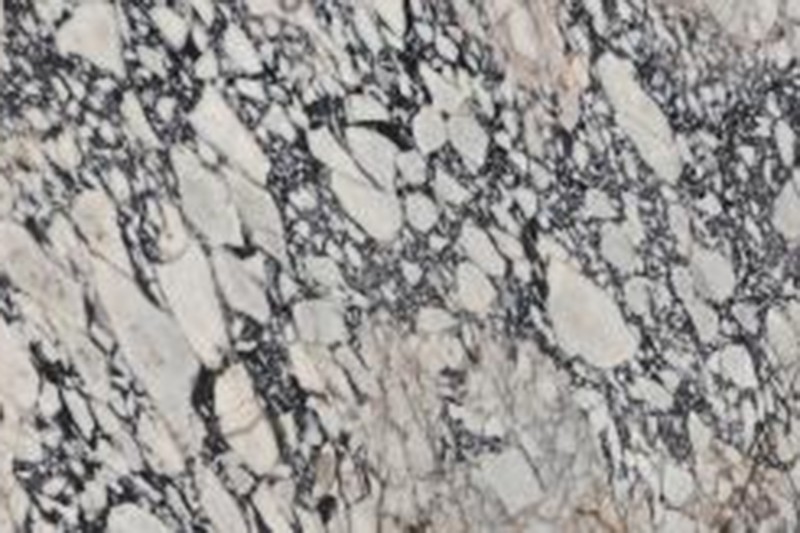 Cloud Pattern Marble Coffee Table with Hollowed BaseThis square coffee table features a hollowed-out lower section that lightens the visual mass while the soft gray veining keeps the surface calm and easy to match with both modern and classic interiors.View Product →
A table with this kind of surface demonstrates how a simple palette can still offer plenty of visual texture: the background is light, the veining flows naturally, and the overall effect stays understated enough for a piece that will sit at the center of daily life.
Thickness and Construction
Thickness is the second thing to verify. Traditional full-slab construction uses marble that is roughly 20 to 30 mm thick, which delivers a massive feel but adds significant weight. Thin-marble construction, by contrast, laminates a 3 to 6 mm stone layer onto a stable core. The visual result is close to identical, while the total weight of the table falls dramatically.
With thin-marble tops, the edge detail matters. A well-built piece has a clean edge that conceals the junction between the stone and the core, and the base supports the tabletop across its full length with no visible sag. The base itself should also be proportioned to the top. Pedestal, cylinder, and four-column bases distribute weight more evenly than slender hairpin legs, which look elegant but can feel less stable with a heavy stone top. Manufacturers who combine their own slab processing with furniture production tend to deliver more consistent edge details and sealing, because the stone and the finished table are controlled in the same facility.
Finish and Porosity
Marble is a naturally porous material, and how it behaves in daily use depends on the finish and the sealant. A polished finish is glossy and reflective, the classic look for marble furniture, but it shows fingerprints and smudges quickly. A honed finish is matte and soft to the touch; it hides smudges better, though its slightly higher absorption calls for good sealing. A leathered finish has a subtle, brushed texture that conceals fingerprints and tiny scratches especially well.
Whatever finish you prefer, look for a table that is sealed before delivery. Sealants close part of the stone's open porosity, giving you more time to wipe up spills before they penetrate. Light marbles reveal dark-liquid stains quickly, while dark marbles show dust and water marks more easily. That is not a reason to avoid marble; it is a reason to choose a finish that matches the way you actually use the room.
Shapes and Proportions That Work in Real Rooms
Shape affects how the whole room functions, not just how it looks. A rectangular table is the classic companion to a long sofa and provides the most useful surface area. A round table softens the geometry of a space and is easier to walk around in compact layouts. Square tables work well in front of a loveseat, while nesting tables give you the flexibility to expand the surface when guests arrive.
A reliable rule is to keep the table length around two-thirds of the sofa length, and the table height roughly level with the sofa seat, normally between 40 and 45 cm from the floor. In narrow rooms, curved or oval profiles reduce the risk of bumped knees and make a stone piece feel lighter visually.
Curved shapes also protect the stone edge from accidental knocks over time. When a table combines a striking stone face with a rounded outline, it can serve as a centerpiece in a family room without feeling like an obstacle.
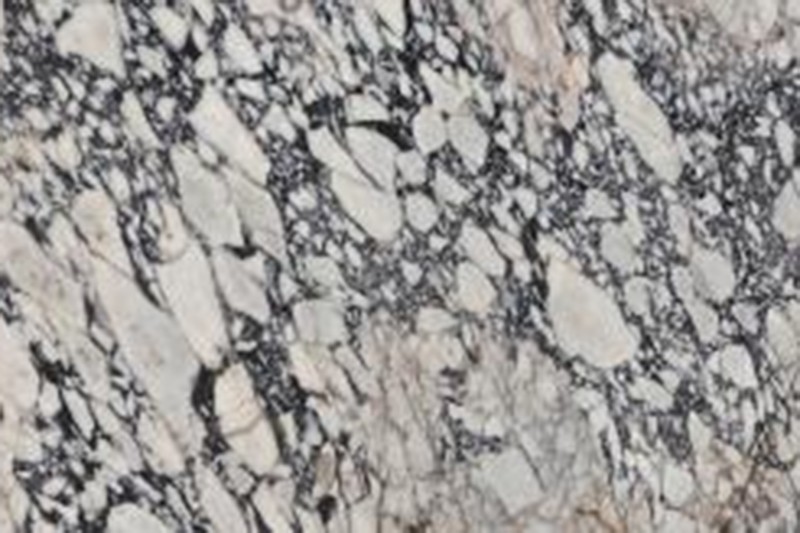 Bulgari Cloud Shadow Double Curved Marble Coffee TableA round table with blue-and-white veining and a distinctive double-curved support. The soft profile reduces edge impact, making it a striking yet family-friendly centerpiece for contemporary living spaces.View Product →
This double-curved silhouette keeps the profile soft while the veined top delivers the dramatic texture of natural stone. It is a good illustration of how contemporary forms can widen the audience for marble furniture beyond the traditional formal living room.
Caring for a Marble Top
Daily care for a marble coffee table is far simpler than many buyers expect. You do not need special products or intense routines. You do need a few consistent habits:
- Wipe the surface with a soft damp cloth and a drop of mild dish soap, then dry it with a microfiber cloth.
- Use coasters for drinks and trays for ceramic or metal objects that can scratch the stone.
- Blot spills immediately instead of wiping them across the surface.
- Avoid acidic cleaners, vinegar, lemon juice, and abrasive sponges.
- Reapply a marble-safe sealer every year or two, depending on the finish and how much the table is used.
When stains or etching do appear despite these habits, most can be treated with a stone-specific cleaner or a professional polishing service. The key is timing: the quicker you address the spill, the less the stone absorbs. Homeowners who follow this simple pattern rarely regret choosing a marble top.
Making the Final Decision
The right marble coffee table comes down to three questions: where it will sit, how it will be used, and which profile fits the style of the room. For a formal living room that receives guests in the evening, a polished white, gray, or green marble piece is an easy choice. For a family room where the table is used daily, a travertine or leathered finish will not show wear as quickly.
Warm-toned stones deserve special consideration in rooms with wooden floors, beige sofas, or natural linen textures. They connect the stone to the rest of the furniture better than a stark white slab, and they feel less formal without losing the value of a real stone surface.
 Travertine Coffee Table with Warm Brown Embrace BaseThis round table pairs light brown travertine with a curved, embracing base. It brings natural warmth that complements wooden floors and linen textures, offering stone durability in a less formal style.View Product →
This piece pairs travertine with a warm brown surround, which is a practical route for buyers who want stone texture without the cool, high-contrast look of typical white marble. It also shows how the material can be tailored through framing and base design.
For those considering a DIY build, the idea of sourcing a slab and making your own base can be appealing. A marble top is a classic weekend project concept, and it does allow you to control the base design completely. But the edge treatment, sealing, and base engineering that a professional furniture maker applies are hard to replicate with ordinary tools, which is precisely what prevents cracks, wobbles, and stubborn stains. If the goal is an authentic stone surface that will stay in good condition for years, a finished table from an established marble furniture producer is the more reliable route.
Beyond any single table, it is worth looking at the entire range a supplier offers. Consistency in stone selection, edge finishing, and sealing makes a measurable difference when several pieces share the same room. If you are still comparing options, the wider marble home furnishings collection includes coffee tables, side tables, and consoles that can keep the look of a space coherent.
A marble coffee table is not a disposable purchase. Understanding the stone, the construction, and the upkeep will prevent the two most common regrets: choosing purely on looks and choosing purely on price. The right table, selected with these factors in mind, will be the piece that anchors your living room for years.
PREV:Marble Console Table Buying Guide: Sizing, Styles, Materials and Care TipsNEXT:Marble Home Furnishings Guide: Dining Tables, Coffee Tables and Cabinets
Interested in cooperation or have questions?
Related Products
-
 Elegant Travertine Marble Dining Table View More

-
 Chenghuaiya Stone Travertine Dining Table View More
-
 Elegant Cloud Shadow Travertine Dining Table View More
-
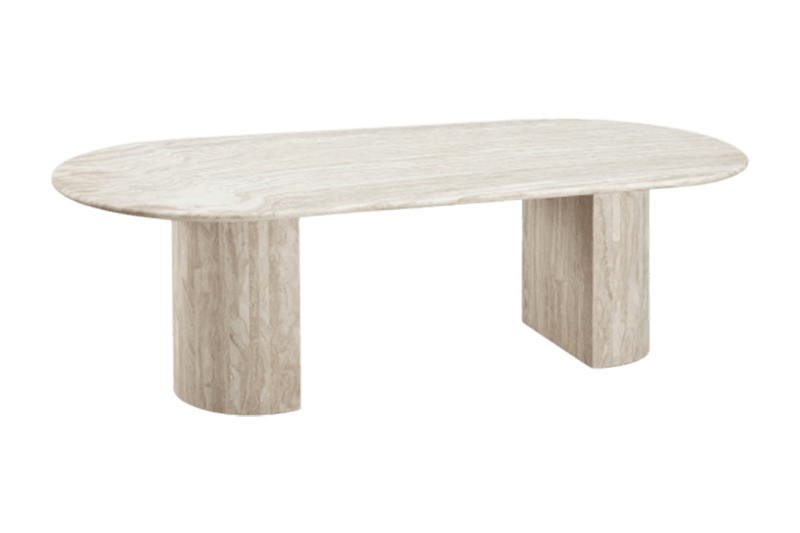 Light and Shadow Travertine Dining Table View More
-
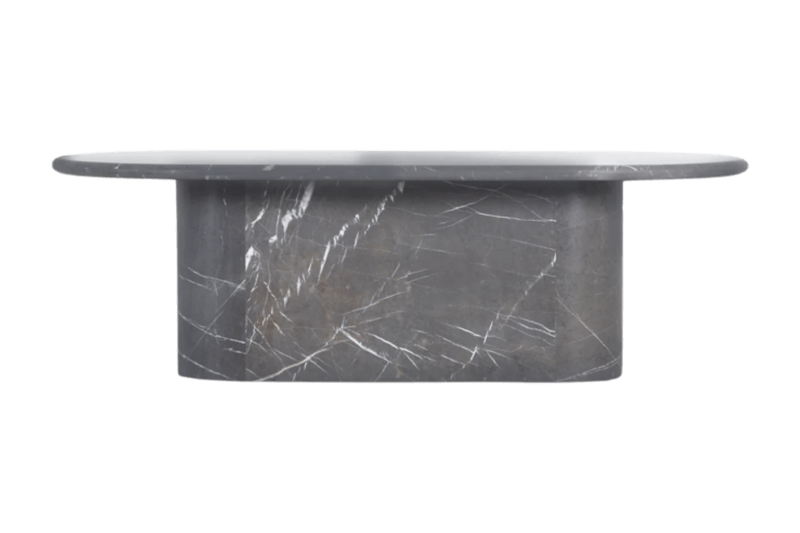 Simple Dark Grey Stone Dining Table View More
-
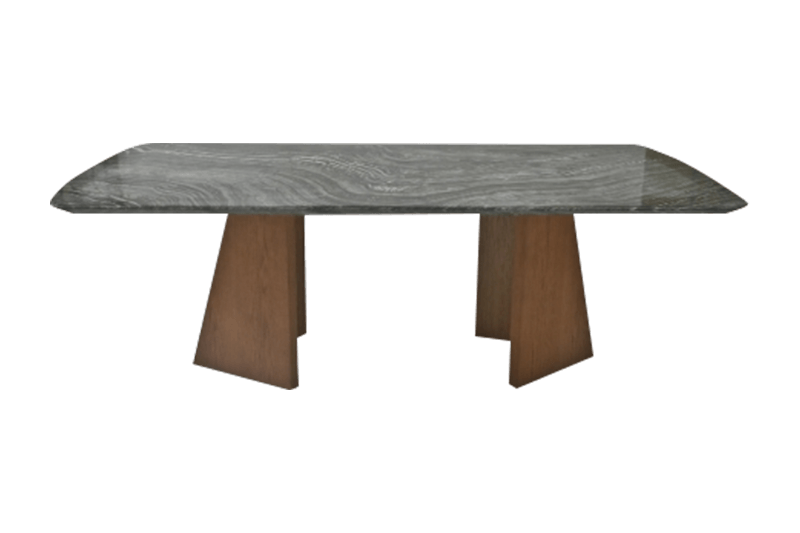 Gray Wood-Tone Marble Dining Table View More
-
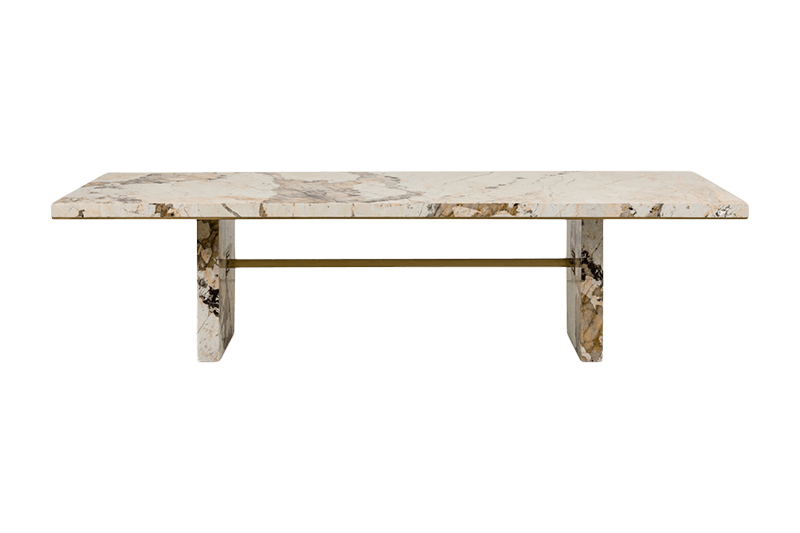 Off-White Gilded Marble Long Table View More
-
 EstéE Lauder Oval Marble Dining Table View More
-
 Rock Ash Cave Moon Mark Marble Rock Table View More
-
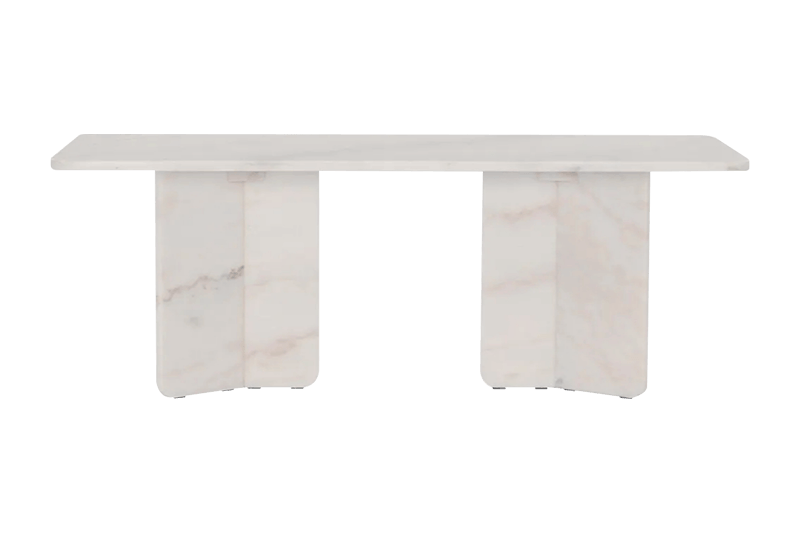 Elegant White and Refreshing Double-Pillar Marble Table View More
-
 Oval Marble Round Table with Large Floral and White Cloud Pattern View More
-
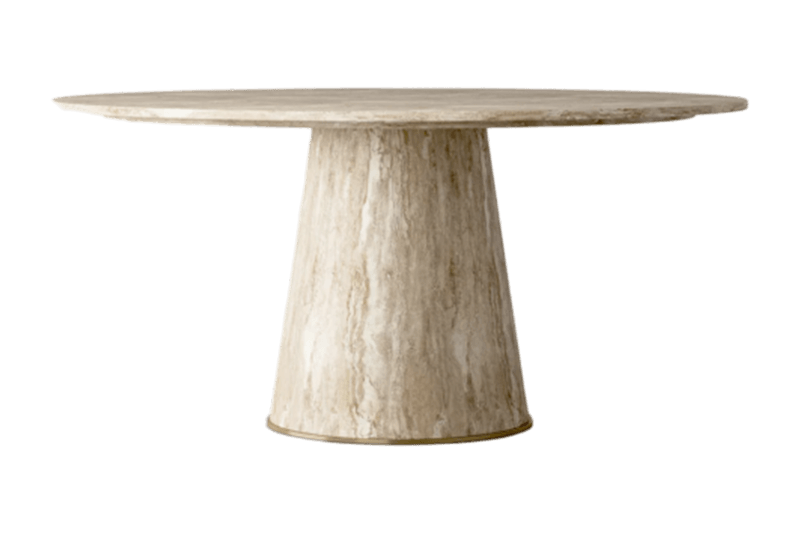 Simple Roman Hollow Marble Table View More
News
-
-
A marble console table usually occupies one of the most exposed positions in a home: the entryway w...
READ MORE -
Marble has been a symbol of luxury and elegance for millennia, prized for its unique veining and tim...
READ MORE -
Marble Home Furnishings including a natural marble bathtub, natural marble fireplace, and marble bat...
READ MORE -
Direct Answer First A natural marble bathtub typically costs between 800 and 6000 US dollars depen...
READ MORE -
Marble surface treatment is a crucial process that systematically employs physical and chemical tech...
READ MORE
Yunju
Contact
-
 56 Ronggang Road, Binhai New Area, Laoba Port, Hai'an City, Nantong City, Jiangsu Province
-
 [email protected]
[email protected]

Mobile

Copyright ©Nantong Yunju New material Technology Co., Ltd.Rights Reserved.
 Custom Marble Composite Furniture Manufacturers