 English
 عربى
 Español
A marble console table usually occupies one of the most exposed positions in a home: the entryway w...
READ MORE
Marble Side Table Guide: Thickness, Base Builds, and a Specifier Checklist
Content
Specifying a marble side table often begins with a simple question: will it feel solid or fragile when someone sets down a cup of coffee? The answer rarely comes from the stone name alone. It comes from thickness, the base structure, edge details, and how the surface is finished. A 45 cm by 45 cm table with a 20 mm solid marble top and a 5 mm composite base can look identical in a photo, but they behave very differently in a hallway, a living room, or a hotel suite. Start with the function, then match the stone and build to it.
Start With the Job, Not the Stone
A side table rarely stands alone. It sits beside a sofa, next to a bed, or in an entryway where people brush past it. That context decides the size, weight, and edge profile before any marble is selected. For a living room, a top between 40 cm and 50 cm square or round keeps drinks and books within reach without crowding the sofa. Bedside tables often work best at 35–45 cm round, with a height that matches the mattress top. Entryway consoles run longer, typically 80–120 cm, but stay narrow at 30–40 cm deep to leave walking space. Hospitality settings demand a different priority: stain resistance and a base that cannot be knocked over easily.
| Use case | Top size | Preferred build | Key constraint |
|---|---|---|---|
| Living room side table | 40–50 cm square or round | 20–30 mm solid top with stone base | Edge safety for bare feet |
| Bedroom bedside | 35–45 cm round | 15–20 mm composite top with slim base | Height match to mattress |
| Entryway console | 80–120 cm long, 30–40 cm deep | 20 mm solid top with two or three supports | Narrow depth, wall clearance |
| Hospitality or lobby | 50–60 cm round | 20 mm solid or composite with metal core | High traffic, stain resistance |
The table above is a starting point, not a rule. A heavy solid stone base can anchor a table in a busy hallway, while a slim composite build suits a bedroom where the table may be moved for cleaning. The mistake is choosing the marble first and forcing the room to adapt.
 Arcuate Geometric Marble Corner Table with Curved Travertine BaseA round-top corner table with a curved-facet travertine base, suited to living room or bedroom corners; view it when weighing stone base styles and placement.View Product →
Three Builds Behind a Marble Side Table
Most marble side tables fall into one of three structural families: solid stone, ultra-thin stone composite, and hybrid stone with metal or wood. Solid stone delivers weight, a continuous vein pattern, and a surface that can be re-polished years later. A 20 mm to 30 mm top with a matching stone base is the classic choice. It is also the heaviest. A 50 cm round table can weigh 35–40 kg, which matters for delivery, floor loading, and anyone who needs to move it.
Ultra-thin stone composite changes that equation. A 5–8 mm marble skin is bonded to a honeycomb, ceramic, or slate core. The result keeps the natural surface but cuts weight by 40–60 percent. This is the route for large console tops, curved edges, or designs that would be too fragile in solid stone. The trade-off is repairability: a deep chip may expose the core, so edge protection becomes more important. Marble composites are not a downgrade; they are a different engineering answer.
Hybrid builds combine a marble top with a metal or wood base. They are lighter than solid stone and can be assembled on site. The joint between materials becomes the weak point, so specify a mechanical fixing rather than adhesive alone if the table will see daily use.
The chart compares approximate weights for a 50 cm round table. If the table will be lifted by staff or moved often, the composite or hybrid build reduces risk. If it is a permanent anchor piece, solid stone remains the most forgiving surface.
 Stacked Bulgari Column Marble Corner TableA two-cylinder stacked marble corner table with a rich, colorful layered appearance, worth viewing when comparing sculptural side tables and structural base choices.View Product →
Thickness, Tolerance, and the Edge You Touch
Two tables can share the same marble slab and still feel completely different because of the edge. A 20 mm solid top usually receives a straight or small chamfered edge. The stone reads as a thick block. A 6 mm composite top needs a folded or laminated edge to create the same visual weight. If the edge is left as a thin 6 mm line, the table can look like a tile on legs. Neither is wrong, but the choice affects how the table ages.
Tolerance matters most at the joint. For solid stone, a top thickness tolerance of ±1 mm is common. For composite panels, ±0.5 mm is achievable. When two pieces meet at a corner or a seam, a 1 mm difference is visible under raking light. That is why a 45-degree miter joint often looks cleaner than a butt joint on a composite edge. The miter hides the core and presents a continuous stone face.
| Edge profile | Best for | Risk |
|---|---|---|
| Straight polished | Solid 20–30 mm tops | Sharp corner if not eased |
| Chamfered 2 mm | Family living rooms | Catches light, shows chips |
| Round-over R5 | Bedrooms, hospitality | Less crisp on modern designs |
| Mitered composite | Ultra-thin tops | Higher fabrication cost |
For a side table that people will touch every day, an eased or round-over edge is a practical choice. It reduces the chance of a chipped corner and feels softer against a hand or a knee. If the design calls for a crisp architectural edge, keep the table out of main walkways.
 Travertine Corner Table with Round Cylindrical BaseA round-top corner table with a cylindrical travertine base and soft lines, worth viewing when comparing finish, edge, and placement for bedrooms or living rooms.View Product →
Surface Finish and Stain Risk
Polished marble shows the deepest color and vein contrast. It also shows water rings and etching from acidic drinks. A matte or honed finish hides small scratches and fingerprints, which makes it a better fit for busy rooms. Brushed or antique finishes add texture and slip resistance, but they can trap dust in open pores if the stone is not sealed.
Sealing helps, but it is not a permanent shield. A penetrating sealer buys time; it does not make marble stain-proof. For a side table, the realistic approach is to choose a finish that matches the room's use. A polished table in a formal living room can be wiped dry after a spill. A honed or leathered table in a family room tolerates more neglect. In hospitality, a darker stone or a composite with a stain-resistant topcoat reduces maintenance calls.
| Finish | Sheen | Stain resistance | Best use |
|---|---|---|---|
| Polished | High | Low without sealer | Formal living rooms |
| Honed | Low | Medium | Family rooms, bedrooms |
| Brushed / antique | Textured | Medium | Entryways, rustic interiors |
| Composite with topcoat | Varies | High | Hospitality, high traffic |
If the table will hold a glass of red wine or a slice of lemon, test a sample with both before committing. A few minutes of testing prevents a permanent mark on a finished piece.
Five Questions Before You Specify
A marble side table is a small piece of furniture with a long list of decisions behind it. The following checklist helps narrow the field quickly.
- What is the top thickness and core? A 20 mm solid top behaves differently from a 6 mm composite skin.
- How is the edge protected? A round-over or mitered edge reduces chipping and hidden core exposure.
- What finish matches the room? Polished for drama, honed for daily life, textured for grip.
- How heavy is the packed table? Check the weight against delivery access and floor type.
- Who inspects the slab before fabrication? Vein placement, filler spots, and hairline cracks should be reviewed on the actual slab.
| Risk | Check before order |
|---|---|
| Color mismatch between top and base | Compare dry and wet samples from the same block |
| Edge chipping during transit | Require foam corner protection and crating details |
| Table too heavy for stairs or elevator | Confirm packed weight and split delivery options |
| Stain callbacks after installation | Confirm sealer type and reapplication interval |
These questions are not about finding the cheapest table. They are about matching the build to the place it will live. A side table that looks right but fails at the edge, the weight, or the finish becomes a costly replacement.
A marble side table works best when its structure follows its job. Decide where it will sit, how it will be used, and who will move it. Then choose the thickness, base, edge, and finish that support that reality. The stone can still be beautiful, but it will also be durable and predictable. That combination is what turns a natural material into a piece of furniture that earns its place.
PREV:Marble Wall Panel Buying Guide: Thickness, Finishes, Weight, Backing and InstallationNEXT:Marble Processing Factory Selection Guide: Quality, Capacity & Certification
Interested in cooperation or have questions?
Related Products
-
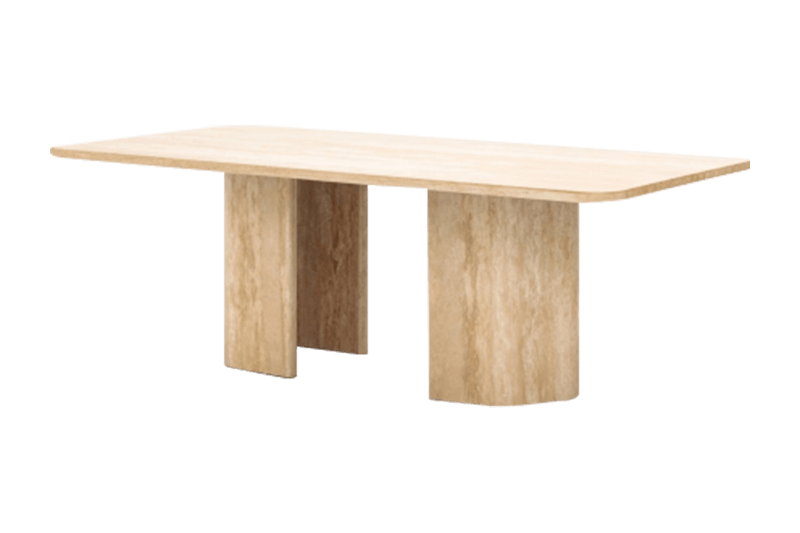 Elegant Travertine Marble Dining Table View More


-
 Chenghuaiya Stone Travertine Dining Table View More
-
 Elegant Cloud Shadow Travertine Dining Table View More
-
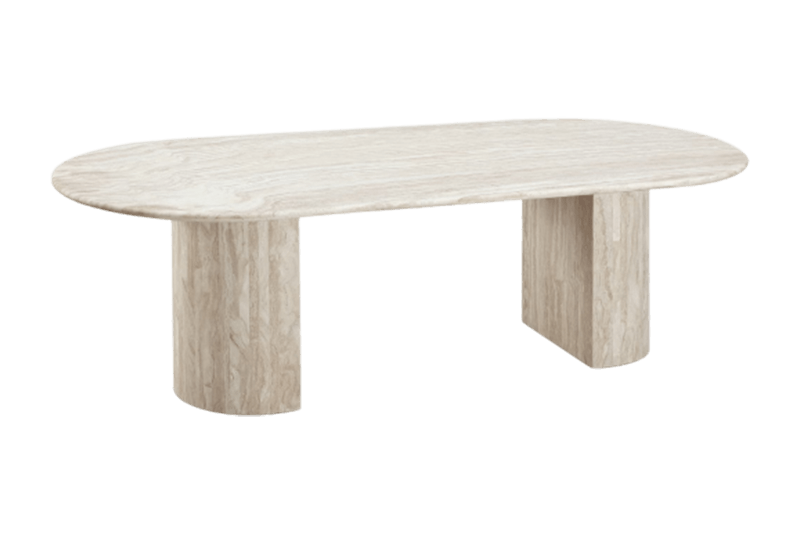 Light and Shadow Travertine Dining Table View More
-
 Simple Dark Grey Stone Dining Table View More
-
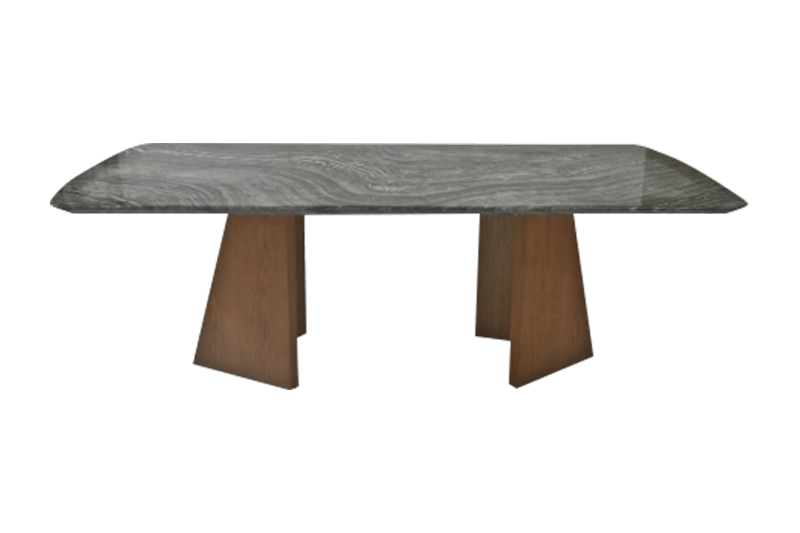 Gray Wood-Tone Marble Dining Table View More
-
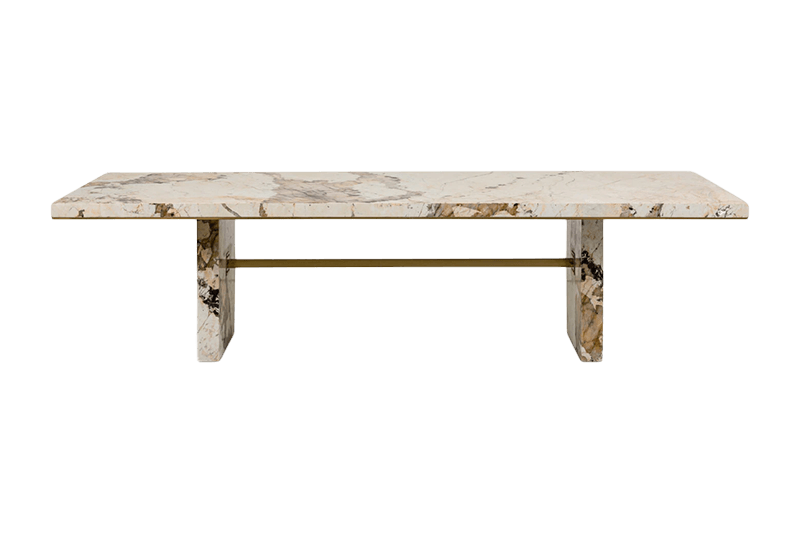 Off-White Gilded Marble Long Table View More
-
 EstéE Lauder Oval Marble Dining Table View More
-
 Rock Ash Cave Moon Mark Marble Rock Table View More
-
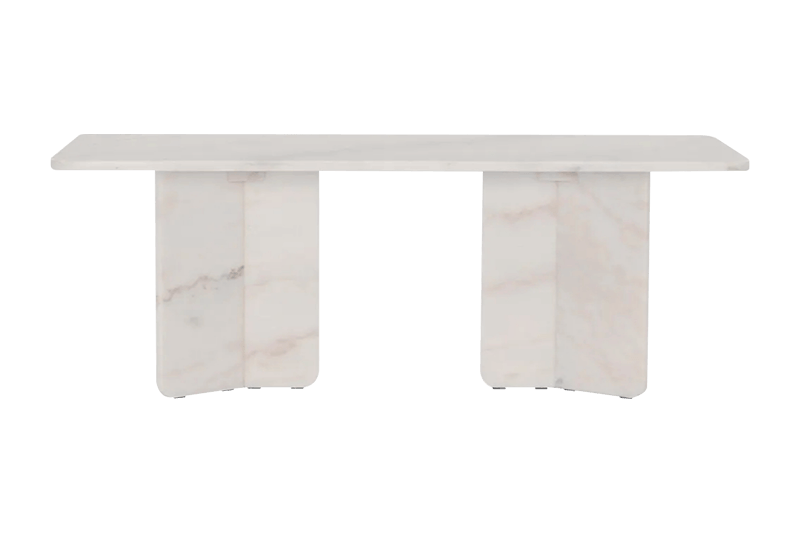 Elegant White and Refreshing Double-Pillar Marble Table View More
-
 Oval Marble Round Table with Large Floral and White Cloud Pattern View More
-
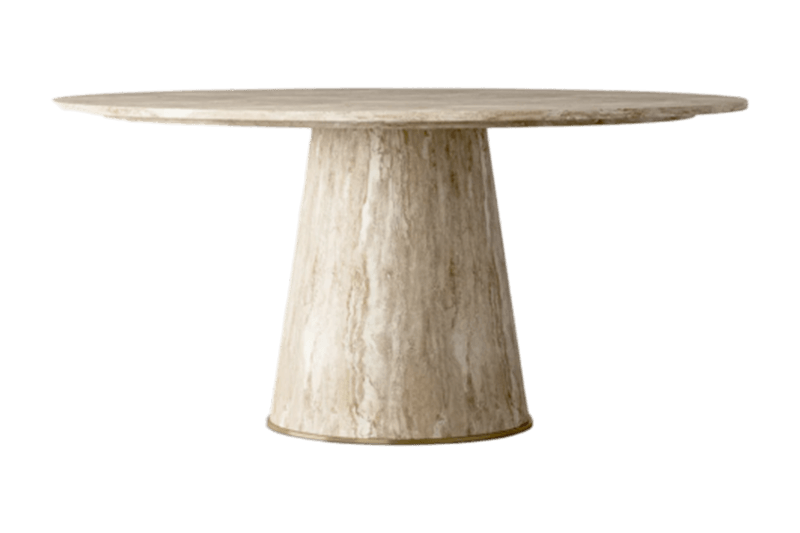 Simple Roman Hollow Marble Table View More
News
-
-
When you compare marble home furnishings, start with construction rather than appearance. The most ...
READ MORE -
A marble dining table is one of the few pieces of furniture that changes character with the time of...
READ MORE -
Price a marble wall panel for a hotel lift lobby and the figure that usually breaks the budget is n...
READ MORE -
Picture this: you walk into a stone showroom and run your hand over a polished marble tile. It look...
READ MORE -
Marble has been a symbol of luxury and elegance for millennia, prized for its unique veining and tim...
READ MORE
Yunju
Contact
-
 56 Ronggang Road, Binhai New Area, Laoba Port, Hai'an City, Nantong City, Jiangsu Province
-
 [email protected]

Mobile

Copyright ©Nantong Yunju New material Technology Co., Ltd.Rights Reserved.
 Custom Marble Composite Furniture Manufacturers