 English
 عربى
 Español
When you are planning a hotel lobby renovation or launching a new line of stone furniture, the marb...
READ MORE
Marble Processing Factory Selection Guide: Quality, Capacity & Certification
Content
- 1 What a marble processing factory actually controls
- 2 Six capabilities to verify before you order
- 3 Why ultra-thin marble and composite panels change the evaluation
- 4 What changes when you buy finished furniture
- 5 For architectural orders: slabs, panels and floors
- 6 Red flags that should stop the order
- 7 A five-step audit before you sign
Twelve percent of a furniture brand's first container of marble tabletops arrived with hairline cracks running along the veins. Another eight percent were off-color enough that pairing them with the approved samples was impossible. The supplier had quoted an attractive price and promised standard marble processing factory quality, but the buyer never verified what that phrase meant on the production floor.
Choosing a marble processing factory is a risk-management decision rather than a price negotiation. Between the raw block and the delivered piece, the factory's process control determines veining continuity, thickness consistency and surface appearance. This guide covers what a factory actually controls, the tolerance levels you should verify, and the red flags that justify walking away.
What a marble processing factory actually controls
A processing factory takes irregular natural stone blocks and turns them into flat, calibrated, polished, precisely sized components, or into complete furniture. Each stage in the line either removes risk or creates it. The shortest reliable process chain looks like this:
| Stage | What happens | Quality it determines |
|---|---|---|
| Block inspection | The factory selects blocks, maps veins and checks for micro-cracks. | Background color consistency and structural soundness. |
| Slab cutting | Blocks are sliced with a multi-wire or gang saw. | Thickness uniformity and waste rate. |
| Calibration | Slabs are ground to a uniform thickness on a calibrating line. | Flatness and deviation from specified thickness. |
| Resin treatment | Micro-fissures are filled with resin under vacuum. | Surface durability and ability to take a high polish. |
| Polishing | Progressive diamond abrasives, from coarse up to 3000 mesh, create the gloss. | Gloss level, reflection sharpness and touch feel. |
| Cutting and profiling | CNC or bridge saw cuts slabs into final sizes and edge profiles. | Dimensional accuracy and edge quality. |
| Inspection and packing | QC staff check thickness, color and surface; boards are packed with edge protection. | Arrival condition and installation fit. |
A factory that controls all seven stages can deliver consistently. A factory that skips or rushes any of them builds the defect into the product before it leaves the floor. Incoming inspections by furniture manufacturers and contractors show that failures concentrate in a few recognizable categories:
Six capabilities to verify before you order
These six areas separate a dependable marble processing factory from a workshop that simply owns cutting equipment. Go through them one by one before you send a purchase order.
- Raw material traceability. Ask which quarries the factory works with and whether it keeps block records. A supplier that cannot name its stone origins will struggle to control color consistency across repeat orders.
- Cutting precision. Ask what equipment is used and what thickness tolerance the factory guarantees. Conventional lines hold around +/-1.0 mm; precision lines with calibrated grinding reach +/-0.3 to 0.5 mm.
- Surface treatment depth. Polishing is not one machine pass. A proper sequence runs from coarse grinding through resin filling to high-gloss buffing. Factories that treat it as a single step deliver patchy gloss.
- Separate quality control. QC staff should not be the same people who produced the parts. When production workers inspect their own output, subjective decisions ship defects.
- Capacity balance. Ask how many square meters the factory delivers per month and how many active orders it carries. An oversubscribed factory will sacrifice your lead time first.
- Thin stone and composite experience. If you need lightweight furniture tops or reinforced wall panels, the factory must demonstrate lamination, pressing and adhesive curing experience, not just slab cutting.
Once you have answers, put the numbers into the contract. The following tolerance classes are practical reference points for marble supply agreements:
| Parameter | Standard class | Precision class | Practical impact |
|---|---|---|---|
| Slab thickness | +/-1.0 mm | +/-0.3 to 0.5 mm | Floor lippage; bonding gaps in furniture. |
| Edge straightness | +/-1.5 mm per meter | 0.5 mm or better per meter | Visible joints in wall cladding. |
| Polished gloss | 70-80 GU | 85-95 GU or higher | Reflection clarity and surface richness. |
| Batch color control | Visual comparison only | Digital recording plus sealed samples | Repeat orders match the approved sample. |
Why ultra-thin marble and composite panels change the evaluation
The most significant shift in marble processing in recent years is thin stone. Instead of 18 to 20 mm slabs, a factory can now produce 3 to 6 mm marble layers bonded to a supporting backer. The weight drops to a fraction of conventional stone, which lets natural marble appear on furniture surfaces, curved forms and wall panels where solid slabs are impractical.
Thin stone is unforgiving during processing. There is no extra material to grind away, so calibration must be precise. Because thin stone flexes, resin stabilization and reinforcement become essential. And for composite panels, the adhesive layer and pressing conditions determine whether the panel will delaminate years later. These capabilities are not visible in a factory's price list; you have to ask for them.
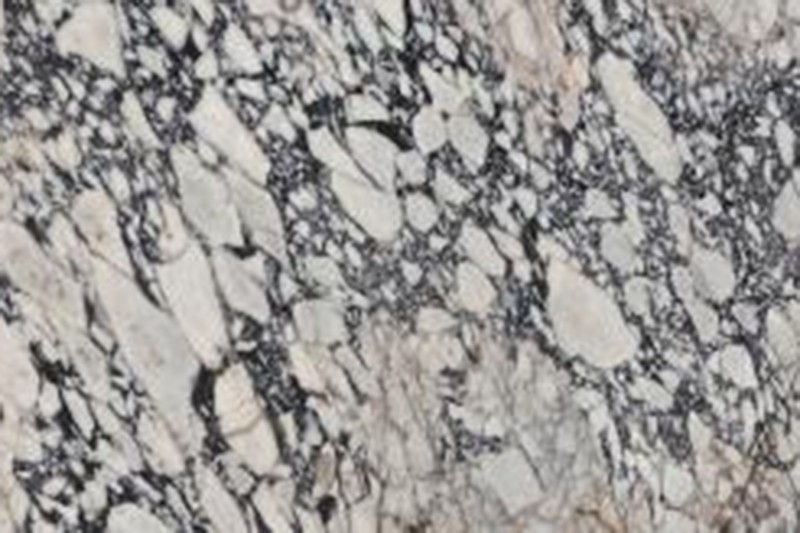 Cloud Pattern Marble Coffee Table with Hollowed-Out BaseThis square coffee table pairs a thin marble top with a sculptural frame, making it a useful reference for evaluating a factory's calibration, edge finishing, and flexible attachment methods.View Product →
To know exactly what to ask, review the core steps of marble surface treatment and compare them with the process the factory describes in its quotation. The best reference case is a thin-stone coffee table with a sculptural frame: the top has to stay flat under load, the edge has to survive transport, and the connection to the frame must allow slight movement without stress cracks. A factory that can deliver that geometry has genuinely solved its composite processing.
What changes when you buy finished furniture
When the order is finished marble furniture rather than raw slabs, the factory controls additional risks: frame geometry, the connection between stone and supporting structure, edge treatment on curved profiles, and protective packing for mixed-material products.
Ask how the stone top is attached to the base. Rigid adhesive bonding without an expansion allowance is one of the most common causes of cracking when temperature and humidity change. Reliable suppliers machine recesses, use flexible fixings, or document a compatible adhesive and sealant system for the installation environment.
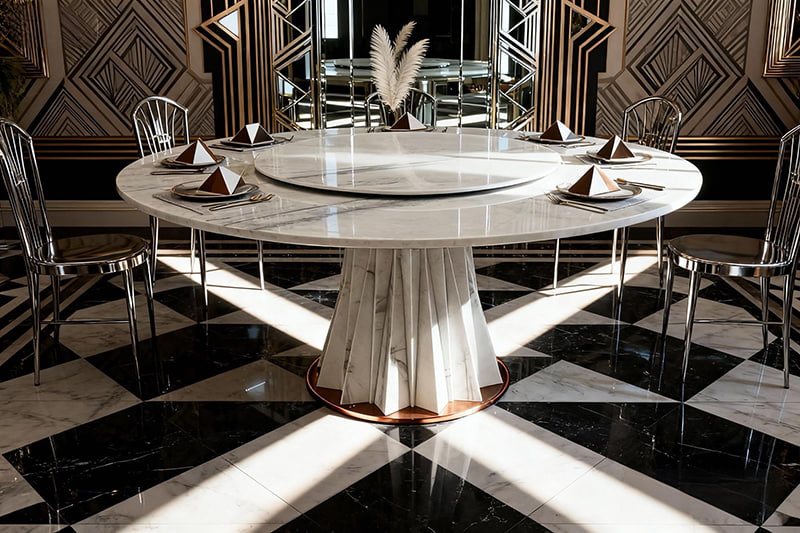 Carrara White Crinkled Moire Marble Dining TableA round dining table with a turntable and crinkled base, its curved geometry and edge transitions make it a good test case for assessing CNC profiling and hand-polishing quality.View Product →
On curved or double-curved furniture, also check edge geometry. A twisted tabletop or a waterfall edge requires CNC profiling followed by hand-polishing of the transition zones. Without those steps, the edge will show waves and uneven gloss lines.
For architectural orders: slabs, panels and floors
Wall cladding and flooring add two requirements that single pieces of furniture do not create: batch consistency and dimensional stability at a larger scale. A wall with forty panels needs all forty to come from a coherent set of slabs, and the factory should keep digital records of slab batches and bookmatch sequences.
For flooring, the critical number is thickness deviation after calibration. In a poorly calibrated batch, two adjacent tiles can differ at the joint by more than a millimeter, creating lippage, uneven walking surfaces and extra stress during installation. Put the tolerance in your contract and spot-check tiles on arrival.
 Carrara Marble Wall Panels for Interior CladdingThese Italian Carrara wall panels highlight the importance of moisture control and edge protection before packing, helping you judge whether a supplier can prevent installation cracks.View Product →
For wall material, ask how the factory manages reinforcement and moisture content before packing. Thin marble panels arriving with residual moisture or without edge protection are far more likely to crack during installation and in the finished wall.
Red flags that should stop the order
- The factory cannot name its raw block sources or show block records.
- No thickness tolerance appears in the quotation or technical sheet.
- Quality inspection is described as visual checking carried out by production staff.
- The factory declines a live video walkthrough or cannot offer a recent client reference.
- The price sits far below the market level for the given stone; check what the price excludes, such as resin quality, moisture protection and export packing.
- The approved sample comes from a different batch than the one planned for production.
A five-step audit before you sign
- Request the written process flow, including QC checkpoints, for your product type.
- Specify tolerance class, gloss range and batch color control directly in the contract.
- Ask for stage records or live video at block cutting, calibration and final packing.
- Measure thickness and edges on arrival, or hire a third-party inspection service.
- Keep a sealed approved sample for color and gloss comparison against every delivery.
A dependable marble processing factory treats process documentation, a dedicated QC team and measurable tolerances as routine. When a supplier can produce a written process flow, name its stone origins and walk through its inspection points, your order starts from a far safer position. When it cannot, the defects you would have caught later are already on the container.
At our production facility in Jiangsu, we follow this discipline from raw block cutting to finished marble furniture, and we expect the same questions we listed above from our buyers. If you want to see what controlled marble processing looks like in practice, browse our product range and slabs, and tell us which application you are planning.
PREV:Marble Side Table Guide: Thickness, Base Builds, and a Specifier ChecklistNEXT:Marble Floor Tile Buying Guide: Types, Costs, and Maintenance Tips (2026)
Interested in cooperation or have questions?
Related Products
-
 Elegant Travertine Marble Dining Table View More


-
 Chenghuaiya Stone Travertine Dining Table View More
-
 Elegant Cloud Shadow Travertine Dining Table View More
-
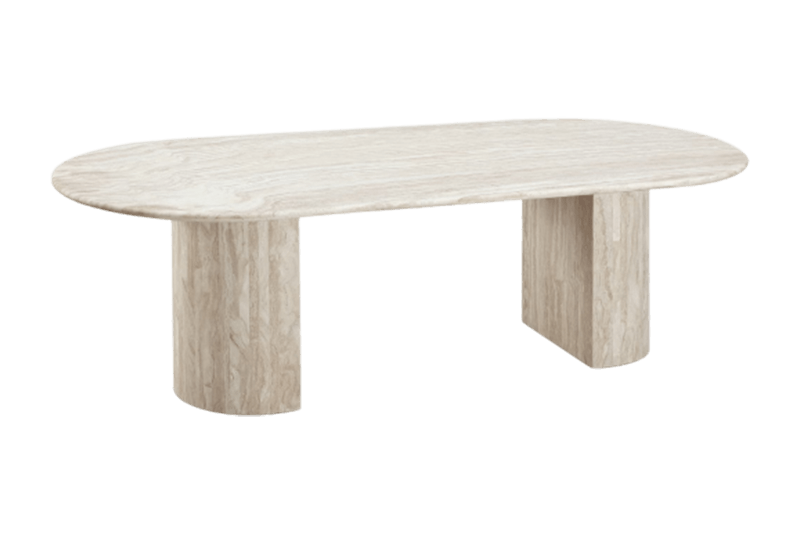 Light and Shadow Travertine Dining Table View More
-
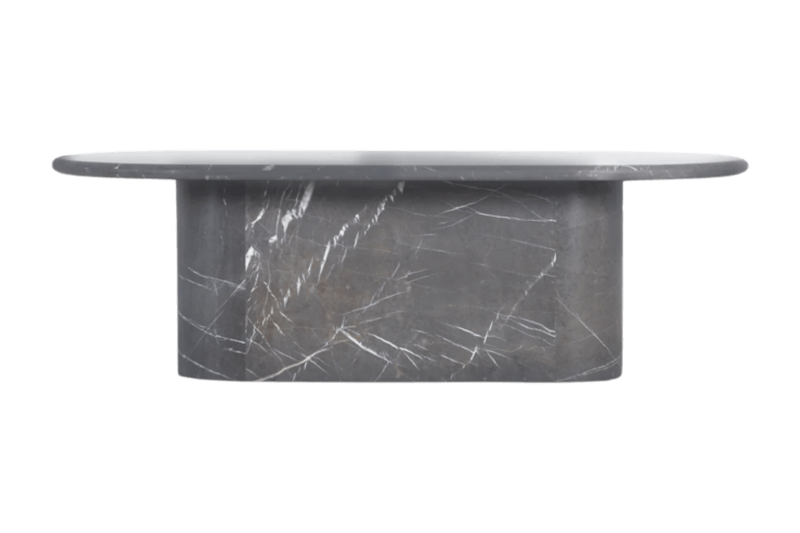 Simple Dark Grey Stone Dining Table View More
-
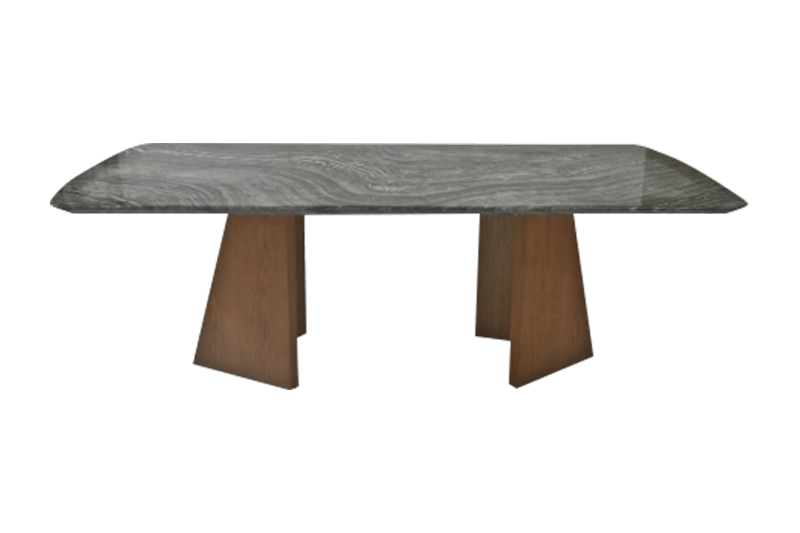 Gray Wood-Tone Marble Dining Table View More
-
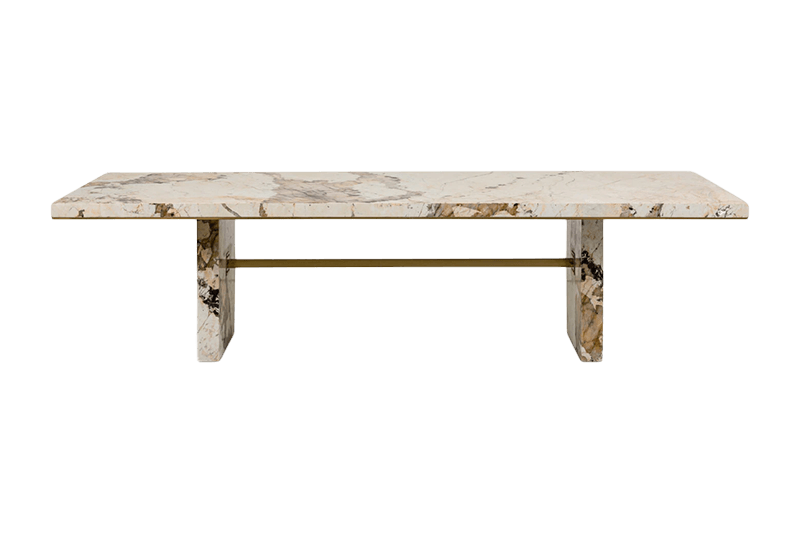 Off-White Gilded Marble Long Table View More
-
 EstéE Lauder Oval Marble Dining Table View More
-
 Rock Ash Cave Moon Mark Marble Rock Table View More
-
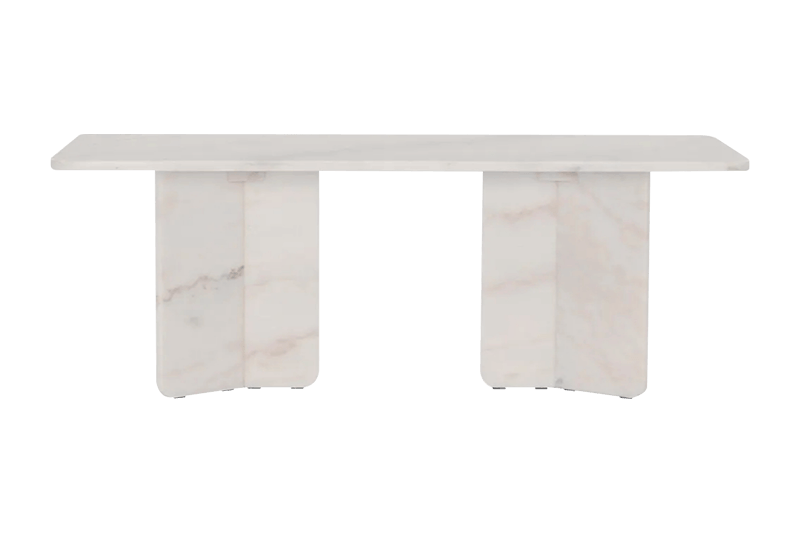 Elegant White and Refreshing Double-Pillar Marble Table View More
-
 Oval Marble Round Table with Large Floral and White Cloud Pattern View More
-
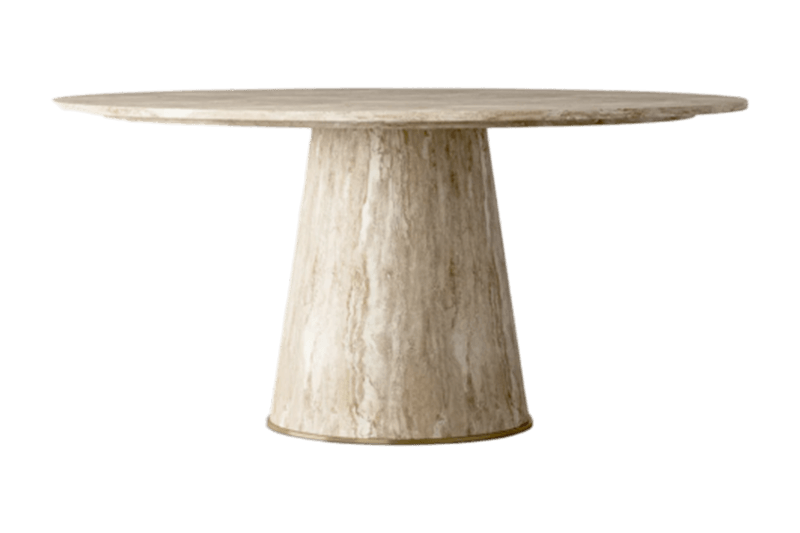 Simple Roman Hollow Marble Table View More
News
-
-
When you compare marble home furnishings, start with construction rather than appearance. The most ...
READ MORE -
Direct Answer First A natural marble bathtub typically costs between 800 and 6000 US dollars depen...
READ MORE -
A marble console table usually occupies one of the most exposed positions in a home: the entryway w...
READ MORE -
A marble dining table is one of the few pieces of furniture that changes character with the time of...
READ MORE -
Picture this: you walk into a stone showroom and run your hand over a polished marble tile. It look...
READ MORE
Yunju
Contact
-
 56 Ronggang Road, Binhai New Area, Laoba Port, Hai'an City, Nantong City, Jiangsu Province
-
 [email protected]

Mobile

Copyright ©Nantong Yunju New material Technology Co., Ltd.Rights Reserved.
 Custom Marble Composite Furniture Manufacturers