A marble dining table is one of the few pieces of furniture that changes character with the time of...
READ MORE
Marble Floor Tile Buying Guide: Types, Costs, and Maintenance Tips (2026)
Content
- 1 Why Marble Floor Tile Is Different From Ceramic and Porcelain
- 2 Marble Varieties to Consider for Your Floor
- 3 Surface Finish and Slip Resistance
- 4 Tile Size, Thickness, and Installation Requirements
- 5 Realistic Cost of Marble Floor Tile
- 6 Where Marble Flooring Works Best and Where It Does Not
- 7 Sealing, Cleaning, and Long-Term Care
- 8 How to Avoid the Most Common Marble Buying Mistakes
Picture this: you walk into a stone showroom and run your hand over a polished marble tile. It looks elegant, but a dozen questions race through your mind. Will it scratch? Is it slippery? How much work is it to keep clean? Those are fair concerns. Marble floor tile can be a durable, long-lasting choice when you match the right stone type, surface finish, and installation method to your room. This guide explains what actually matters when you buy natural marble tiles, from stone varieties and finishes to costs and care.
Why Marble Floor Tile Is Different From Ceramic and Porcelain
Natural marble is a metamorphic rock formed when limestone is subjected to heat and pressure. That is why no two tiles look the same: veins, clouds, and color shifts come from minerals that moved and crystallized over millions of years. Ceramic and porcelain tiles, by contrast, are factory products with printed patterns. You can get a convincing marble look with porcelain, but you cannot get the same depth or the ability to be refinished over decades.
- Marble is porous and needs a penetrating sealer.
- It is softer than porcelain on the Mohs scale, but still hard enough for most interiors.
- It can be honed, polished, brushed, or sandblasted, and later refinished to remove wear.
- It transmits heat well, making it a comfortable partner for underfloor heating.
Marble Varieties to Consider for Your Floor
Marble is a family of stones, not a single product. The variety you choose affects the visual feel, maintenance level, and price. For flooring, you want a dense stone with stable characteristics and a finish that suits the room's traffic.
Blue and Gray Marbles
Blue-toned marbles such as Azul Macaubas add a cool, contemporary focal point to a living room or entrance. Their deep blue-gray ground and flowing white veining work beautifully in modern interiors, though they look best with a honed or brushed finish in high-traffic areas.
 Azul Macaubas Marble Flooring with Deep Blue TonesThis blue-toned marble makes a striking focal point for living rooms or entrances, pairing flowing white veining with a durable surface suited for modern, high-traffic interiors.View Product →
Gray marbles are the workhorses of the natural stone market. Bulgarian Grey, for example, offers a calm, uniform background with subtle veins. It reads as refined without being loud, and it pairs well with both warm wood and cool metal accents.
 Bulgarian Grey Marble Flooring with Subtle VeiningA calm, uniform dark grey marble with fine white streaks that offers refined elegance and easy maintenance, fitting seamlessly with both wood and metal accents.View Product →
White and Statement Marbles
White marbles such as Carrara and Calacatta are classic backgrounds that brighten a room. They require a little more attention because stains show more easily, but a honed finish and regular sealing keep them practical. If you want a bolder look, colored stones such as Douis Blue or Hermes Grey can be used in feature strips or small areas without committing an entire floor to a loud pattern.
Surface Finish and Slip Resistance
Finish changes everything. A polished marble floor reflects light and looks luxurious, but it is also the slipperiest option when wet. A honed finish has a matte, smooth feel and is moderately slip-resistant. Brushed or sandblasted surfaces provide more texture and are better for bathrooms, mudrooms, or outdoor terraces.
| Finish | Appearance | Slip Resistance | Best Used In |
|---|---|---|---|
| Polished | Glossy, mirror-like | Lower | Living rooms, dining rooms |
| Honed | Matte, soft sheen | Moderate | Entryways, kitchens, bathrooms |
| Brushed | Textured, natural | Good | Wet areas, stairs, terraces |
| Sandblasted | Rough, rustic | High | Outdoor paths, pool surround |
Sealing is not a finish; it is a protective layer. A high-quality impregnating sealer will not change the look but will slow liquid absorption into the stone. Plan to re-seal every one to three years depending on the stone and usage.
Tile Size, Thickness, and Installation Requirements
Tile thickness and size affect both the look and the risk of cracking. For residential floors, 12 to 20 mm thick tiles are common. Large-format tiles (60 by 60 cm or larger) create fewer grout lines and a more seamless appearance, but they demand a perfectly flat substrate. If the base is uneven, large tiles crack more easily than smaller ones.
| Format (cm) | Best Use | Installation Note |
|---|---|---|
| 30 by 30 | Bathroom floors, outdoor paths | Easy to handle, more grout lines |
| 60 by 60 | Living rooms, corridors | Requires flat substrate |
| 80 by 80 | Open-plan interiors | Heavy, needs two-person team |
| Large format slabs | Feature walls, seamless looks | Needs special levelling system |
The substrate must be clean, flat, and free of cracks. Use a flexible adhesive rated for natural stone and leave expansion joints around the perimeter. Also confirm that large tiles can be moved into the space through elevator or door openings. For a deeper overview of installation best practices, review our technical sharing notes.
Realistic Cost of Marble Floor Tile
Price is often the deciding factor. In the U.S. market, natural marble tile typically sells for $10 to $15 per square foot before installation. With underlayment, adhesive, grout, labor, and sealers, the installed cost usually lands between $28 and $35 per square foot for a basic indoor floor. Complex cuts, monolithic installation, or premium varieties can push that number much higher.
Labor is a large part of the cost because natural stone is brittle and heavy; cutting it requires diamond blades, and setting it requires expertise. Poor installation can lead to lippage or cracked tiles. The material itself is only part of the real cost.
Marble can still be a sound financial choice. Unlike synthetic materials that age and need replacement, a well-sealed marble floor can last for decades. Minor scratches can be honed out, and the slab can be repolished. Many owners see the higher upfront cost as balanced by longevity and asset value.
Where Marble Flooring Works Best and Where It Does Not
Marble is not appropriate for every room, but it is more versatile than most people expect. With the right finish and sealer, marble floor tile works beautifully in living rooms, dining rooms, hallways, and bathroom floors. Its natural thermal mass also makes it an excellent surface for rooms with underfloor heating.
- Excellent: living rooms, dining rooms, entry halls, covered terraces.
- Good with care: kitchens, bathrooms, home offices.
- Use with caution: outdoor pools, workshop garages, very high-traffic commercial entrances.
In kitchens, acidic liquids like lemon juice or vinegar can etch the surface if left on the stone. Splashes should be wiped quickly, and a good sealer gives an extra window of time. In bathrooms, a honed or brushed finish is safer when the floor is wet. Outdoors, you need low-porosity stone with a textured finish to withstand freeze-thaw cycles.
Sealing, Cleaning, and Long-Term Care
Most marble problems come from neglect, not from the stone itself. Three rules keep a natural stone floor healthy: seal it, clean it with pH-neutral products, and address spills quickly.
- Apply a penetrating sealer before grouting or immediately after installation.
- Use a soft-bristle broom or vacuum with a soft floor attachment to remove grit.
- Damp mop with warm water and a pH-neutral stone cleaner. Avoid vinegar, lemon, bleach, or generic household cleaners.
- Wipe oil, wine, coffee, and fruit juice stains as soon as possible. Blot, do not rub.
- Re-seal every 12 to 36 months. Test by dropping a few drops of water: if the water darkens the stone quickly, it is time to re-seal.
Scratches and dull spots are not the end of the floor. A professional can hone and re-polish the surface to restore the finish. For step-by-step instructions on the actual treatments, see our guide to the core steps of marble surface treatment.
How to Avoid the Most Common Marble Buying Mistakes
Buying marble floor tile is not like buying ceramic tile. Because marble is natural, each slab and each tile can vary. The same variety from one quarry can look different from another batch. Follow these checks before you order:
- Order sample tiles from the exact batch you intend to buy. Place them on the floor and view them in natural and artificial light.
- Check thickness tolerances. A difference of more than 1-2 mm can cause lippage.
- Ask about water absorption. For bathrooms and entrances, choose a denser stone with lower absorption.
- Calculate waste. Add 5-10% for cuts and breakage, more for diagonal layouts.
- Confirm the finish and edge profile in writing.
Also ask about long-term supply: if you later need extra tiles for a repair, will the same batch still be available? A reliable supplier will tell you honestly about batch consistency. For a quiet, versatile floor color, a consistent gray marble like Hermes Grey is often a safe choice that will not limit your furniture palette.
 Hermes Grey Marble Flooring for Versatile InteriorsA rich grey marble with lighter veins that provides a neutral, durable flooring option, complementing diverse design styles while remaining a practical choice for busy spaces.View Product →
Choose the right variety, finish, and installation method, and maintain it properly. A marble floor tile will reward you with decades of quiet elegance that no factory-made tile can imitate.
PREV:No previous articleNEXT:Marble Dining Table Guide: Stone Types, Durability, Cost and Smart Buying Tips
Interested in cooperation or have questions?
Related Products
-
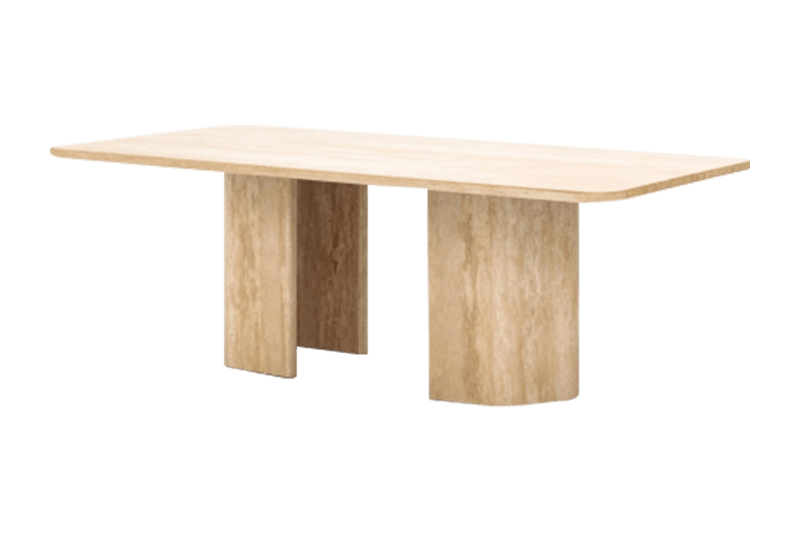 Elegant Travertine Marble Dining Table View More

-
 Chenghuaiya Stone Travertine Dining Table View More
-
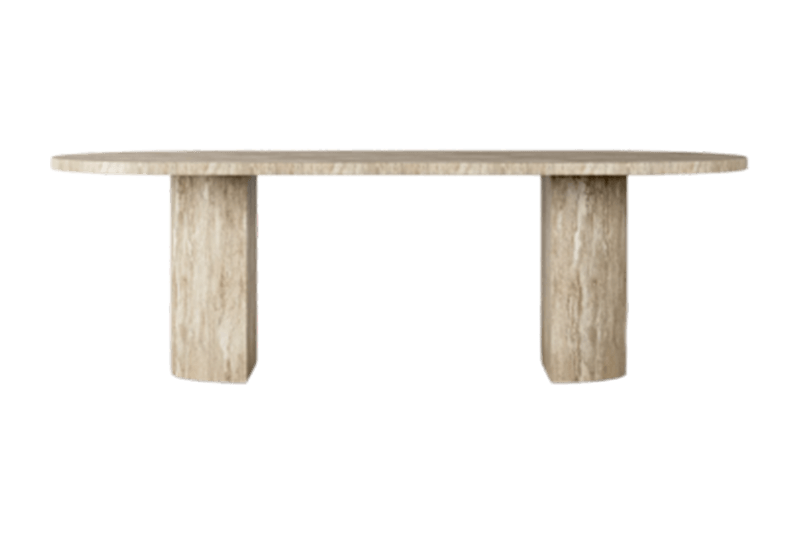 Elegant Cloud Shadow Travertine Dining Table View More
-
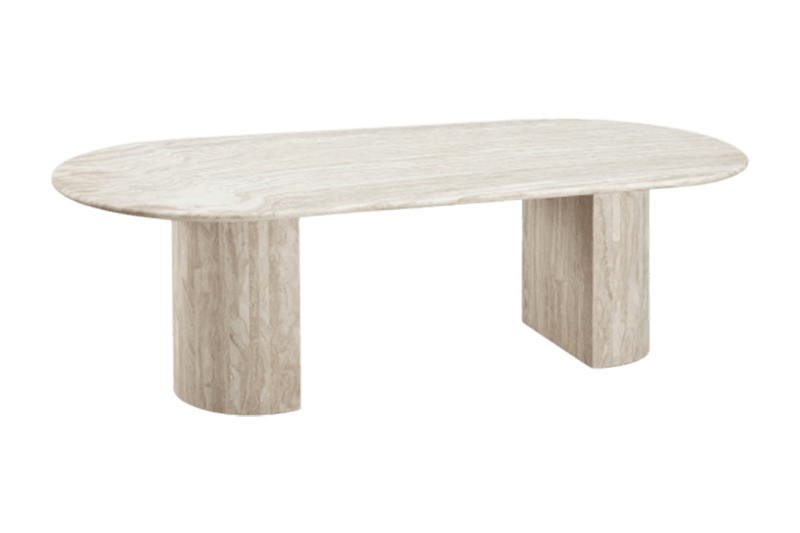 Light and Shadow Travertine Dining Table View More
-
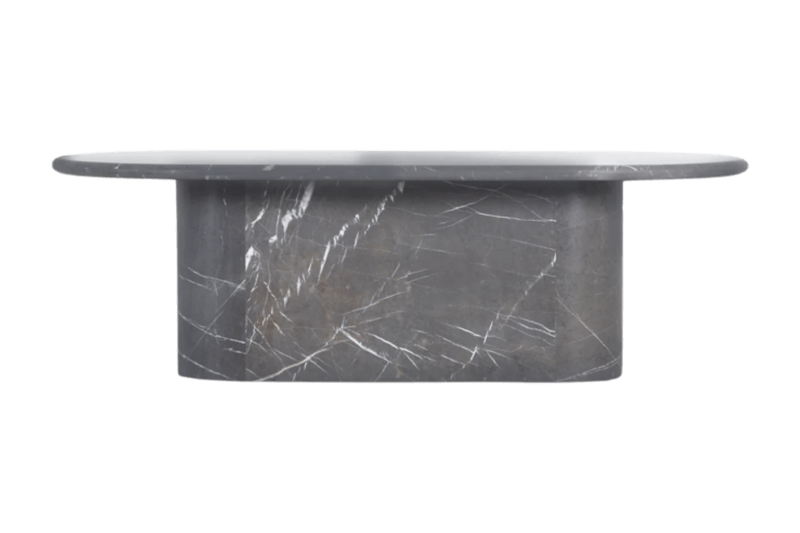 Simple Dark Grey Stone Dining Table View More
-
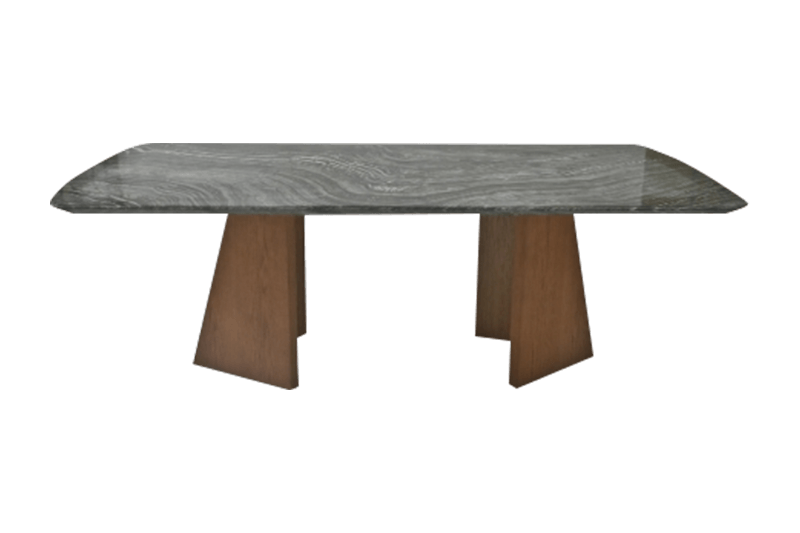 Gray Wood-Tone Marble Dining Table View More
-
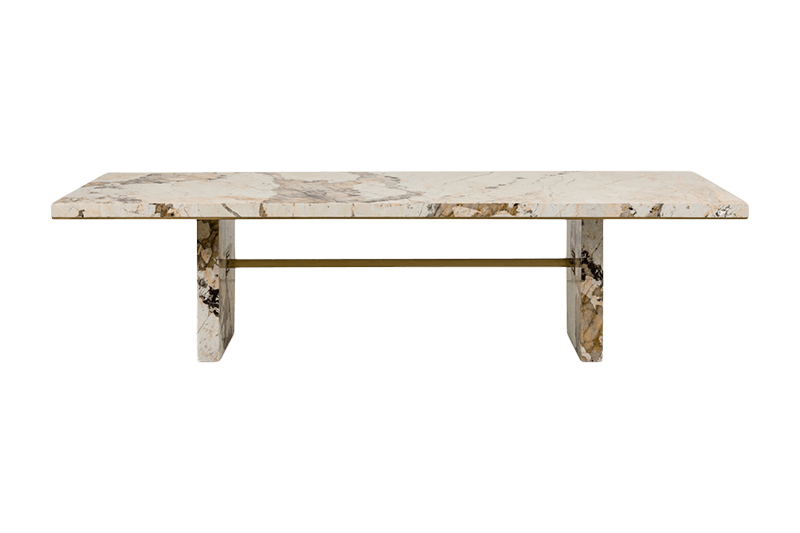 Off-White Gilded Marble Long Table View More
-
 EstéE Lauder Oval Marble Dining Table View More
-
 Rock Ash Cave Moon Mark Marble Rock Table View More
-
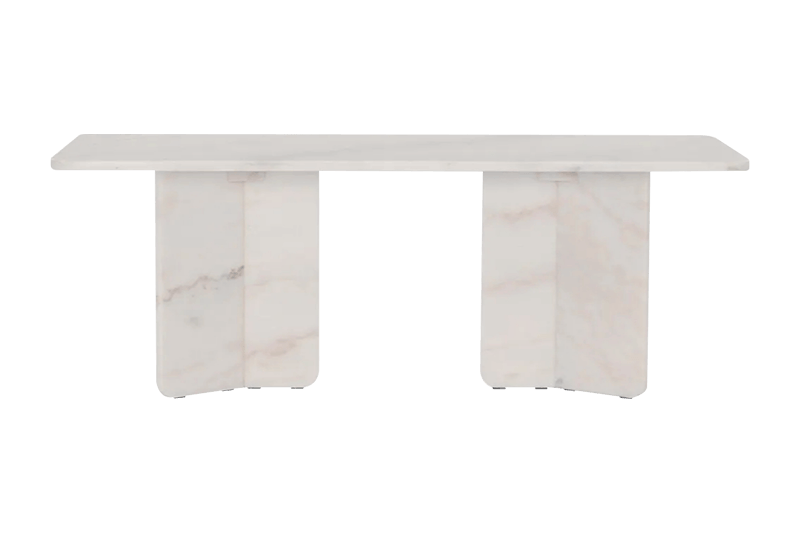 Elegant White and Refreshing Double-Pillar Marble Table View More
-
 Oval Marble Round Table with Large Floral and White Cloud Pattern View More
-
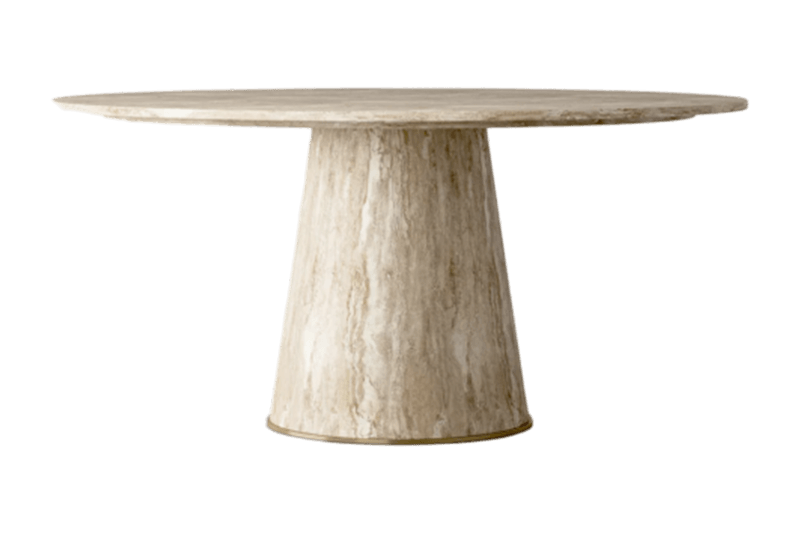 Simple Roman Hollow Marble Table View More
News
-
-
A marble console table usually occupies one of the most exposed positions in a home: the entryway w...
READ MORE -
When you compare marble home furnishings, start with construction rather than appearance. The most ...
READ MORE -
Marble has been a symbol of luxury and elegance for millennia, prized for its unique veining and tim...
READ MORE -
Direct Answer First A natural marble bathtub typically costs between 800 and 6000 US dollars depen...
READ MORE -
Picture this: the sofa is in place, the rug matches the wall color, and the lighting finally feels ...
READ MORE
Yunju
Contact
-
 56 Ronggang Road, Binhai New Area, Laoba Port, Hai'an City, Nantong City, Jiangsu Province
-
 [email protected]
[email protected]

Mobile

Copyright ©Nantong Yunju New material Technology Co., Ltd.Rights Reserved.
 Custom Marble Composite Furniture Manufacturers