Direct Answer First
A natural marble bathtub typically costs between 800 and 6000 US dollars depending on the marble type, tub size and wall thickness, with mid range freestanding tubs from well known quarries such as Carrara or Calacatta usually landing between 1500 and 3500 US dollars before shipping and installation.
The three things that separate a good marble bathtub from a poor one are stone density, wall thickness and the sealing process used before it leaves the factory. A dense, properly sealed marble tub with at least 25 millimeters of wall thickness will resist staining, cracking and water absorption far better than a thin, poorly finished one.
If you want a short buying rule, remember this: ask for the exact marble block origin, request a wall thickness measurement, and confirm the sealing method in writing before you pay a deposit. The rest of this guide explains why each of these steps matters and how to apply them.
What Is a Natural Marble Bathtub
A natural marble bathtub is carved or CNC machined from a single block of quarried marble, or in some cases assembled from bonded marble slabs with a resin backing for extra strength. Unlike acrylic or cast iron tubs, the material is not manufactured, it comes directly from stone that formed over millions of years, which means every tub has a unique vein pattern and color that cannot be exactly repeated.
This natural origin is the main reason people choose marble for a bathtub. The stone stays cool to the touch in warm climates, holds heat reasonably well when filled with hot water, and gives a bathroom a heavy, permanent, high end feel that manufactured materials struggle to copy. It is also extremely heavy, often between 150 and 400 kilograms depending on size, which means floor structure and access routes need to be checked before ordering.
There are two common production methods worth understanding before you shop. The first is solid block carving, where a single large marble block is hollowed out using diamond tooling and CNC machines. The second is composite marble, sometimes marketed as cultured marble or marble composite, which blends crushed natural marble with resin binders. Composite tubs are lighter and usually cheaper, but they are not the same product as a solid natural marble bathtub, and the two should not be priced or judged by the same standard.
Why Buyers Choose Marble Over Other Materials
Buyers typically choose natural marble bathtubs for three reasons. The first is visual impact, since no two tubs look identical and the veining reads as a genuine luxury signal in photos and in person. The second is longevity, because a well sealed solid marble tub can last decades without structural failure, unlike acrylic which can crack or discolor within ten to fifteen years of regular use. The third is resale and property value, since natural stone fixtures are frequently listed as a selling point in high end real estate listings.
Natural Marble Bathtub Price Guide
Marble bathtub pricing depends on four factors that stack on top of each other: the marble type, the tub size, the wall thickness, and whether the piece is a standard factory model or a custom carved order. Below is a realistic breakdown based on common market pricing for solid marble freestanding tubs, excluding shipping, customs duties and professional installation.
Entry Level
800 to 1500 USD
Smaller tubs around 150 to 160 centimeters, made from more common white or beige marble, thinner walls around 15 to 20 millimeters, usually from standardized factory molds.
Mid Range
1500 to 3500 USD
Standard 170 centimeter freestanding tubs in Carrara or similar white marble, wall thickness around 25 to 30 millimeters, better polish and consistent veining selection.
Premium
3500 to 6000 USD
Calacatta, Statuario or other rare marble types, larger custom dimensions, thicker walls above 30 millimeters, hand selected veining and bespoke shaping.
Luxury Custom
6000 USD and up
Oversized or sculptural custom designs, matched book veining across multiple pieces, rare quarry stone, and full white glove installation service included.
| Marble Type |
Typical Price Range |
Common Use Case |
| White Carrara Marble |
1200 to 3000 USD |
Most common choice for hotels and residential bathrooms, balanced cost and appearance |
| Calacatta Marble |
3000 to 6000 USD |
High end residential and boutique hotel projects, bold gold or grey veining |
| Beige or Emperador Marble |
1000 to 2500 USD |
Warm tone bathrooms, spa and wellness center projects |
| Black Marquina Marble |
1800 to 4000 USD |
Contrast design bathrooms, modern minimalist interiors |
| Composite or Cultured Marble |
400 to 1200 USD |
Budget conscious projects, rental properties, secondary bathrooms |
Two hidden costs frequently surprise first time buyers. The first is freight, since a solid marble tub weighing over 200 kilograms requires wooden crating and often costs 300 to 900 US dollars to ship internationally by sea. The second is structural reinforcement, because many residential floors, especially upper level bathrooms, need a contractor to confirm load capacity before a marble tub is installed. Budgeting an extra 10 to 15 percent above the listed tub price for these items is a realistic planning number.
How to Judge Marble Bathtub Quality
Price alone does not guarantee quality, and two tubs that look identical in photos can perform very differently after a year of use. Use the checklist below when comparing suppliers or inspecting a tub in person.
- Wall ThicknessA wall thickness of at least 25 millimeters resists cracking during shipping and daily use. Ask for the measurement in writing, not just a visual estimate.
- Stone DensityDenser marble absorbs less water and stains less easily. Ask the supplier for the density value, typically between 2.6 and 2.8 grams per cubic centimeter for good quality marble.
- Sealing MethodA quality tub is treated with a penetrating stone sealer, sometimes multiple coats, before leaving the factory. Ask what sealant brand or type is used and how often resealing is recommended.
- Surface PolishRun a hand across the interior surface. It should feel smooth with no rough or grainy patches, which usually indicate an inconsistent polishing process.
- Vein ConsistencyNatural veining should flow logically across the tub rather than appearing patched together from mismatched slabs, which weakens both appearance and structural integrity.
- Factory Inspection ReportsReputable manufacturers can provide a quality inspection report or third party test results for water absorption and compressive strength.
Warning Signs to Avoid
Walk away from suppliers who cannot tell you the marble quarry origin, who quote a single price with no size or thickness specification, or who refuse to provide close up photos of the actual tub rather than stock catalog images. These are common signs of a reseller rather than an actual manufacturer, and reseller markups combined with inconsistent quality control are the most common source of buyer complaints in this category.
Popular Natural Marble Bathtub Styles
Style choice affects both price and installation complexity. Below are the styles most commonly available from marble bathtub manufacturers, along with what each one is best suited for.
-
Freestanding Oval Tub
The most popular marble bathtub style, sitting fully exposed in the center or against a wall of the bathroom. Best suited for larger bathrooms of 8 square meters or more, since the tub needs clearance on all sides to be visually effective.
-
Rectangular Drop In Tub
Designed to be set into a built platform or surround, often paired with matching marble tiling. A practical choice for bathrooms with limited floor space, since the platform can double as storage or a shelf area.
-
Japanese Style Soaking Tub
Deeper and narrower than a standard tub, built for sitting rather than lying down. Popular in wellness focused projects and smaller bathrooms where floor footprint matters more than length.
-
Sculptural or Organic Shape Tub
Custom carved shapes that break from standard oval or rectangular forms, often used as a centerpiece feature in boutique hotels or high end residential projects. This style carries the highest price premium due to the labor involved in shaping.
-
Twin Wall Alcove Tub
Fitted against two walls, a practical choice for standard sized family bathrooms that still want the visual weight of natural stone without dedicating an entire room to a freestanding centerpiece.
Marble Bathtub Compared to Other Materials
Marble is not the only option, and comparing it honestly against acrylic, cast iron and composite stone helps clarify whether it fits your project.
| Material |
Average Lifespan |
Heat Retention |
Maintenance Level |
Typical Price Position |
| Natural Marble |
25 years or more with proper sealing |
Good, retains heat well once warmed |
Moderate, needs periodic resealing |
High |
| Acrylic |
10 to 15 years |
Poor, cools quickly |
Low, easy surface cleaning |
Low |
| Cast Iron |
30 years or more |
Excellent |
Low, but very heavy to install |
Medium |
| Composite Stone |
15 to 20 years |
Moderate |
Low |
Low to Medium |
The practical takeaway is that marble makes the most sense when the bathroom is a long term investment, such as a primary residence or a boutique hospitality project, and less sense for rental units or short term flips where acrylic or composite will deliver similar visual results at a fraction of the cost and installation complexity.
How to Choose the Right Marble Bathtub for Your Bathroom
Start with structural capacity before style. Confirm with a contractor or structural engineer that the floor, especially on upper levels, can support the combined weight of the tub, water and bather, which can easily exceed 400 kilograms for a filled freestanding tub. This single step prevents the most common and expensive mistake buyers make.
Next, measure the doorway and stairwell path the tub needs to travel through, not just the final placement space. A solid marble tub cannot be disassembled, so if it does not fit through the access route, it cannot be installed. Reputable suppliers will ask for these measurements before confirming an order.
Match the marble color temperature to your existing fixtures rather than choosing the tub in isolation. Warm beige marbles such as Emperador pair naturally with brass fixtures and warm wood tones, while white marbles such as Carrara or Calacatta pair well with chrome, matte black or brushed nickel fixtures.
Finally, decide between a factory standard model and a custom order early, since custom carved tubs typically require 8 to 14 weeks of production time compared to 2 to 4 weeks for standard models already in stock. Renovation timelines should be planned around this lead time rather than around when the tub happens to arrive.
Installation and Maintenance Tips
Installation and long term care determine whether a marble bathtub still looks new after ten years or starts showing stains and dullness within the first twelve months. Follow the sequence below.
- Confirm Floor Reinforcement FirstVerify structural support before the tub arrives, not after. Retrofitting floor support after installation is significantly more expensive and disruptive.
- Use Professional Installers Experienced With StoneMarble tubs require different handling equipment than acrylic or cast iron. Ask installers directly if they have handled solid marble fixtures before, since improper lifting is the leading cause of hairline cracks.
- Apply a Fresh Sealant Coat After InstallationEven factory sealed tubs benefit from a fresh coat of penetrating sealant after installation, since transport and handling can wear down the original layer.
- Avoid Acidic Cleaning ProductsVinegar, lemon based cleaners and other acidic products etch marble surfaces permanently. Use a pH neutral stone cleaner instead.
- Wipe Down After Each UseStanding water and soap residue left on the surface for extended periods increases staining risk. A simple wipe down after use significantly extends the interval between deep cleanings.
- Reseal on a Regular ScheduleReseal the surface every 12 to 18 months depending on usage frequency and water hardness in your area, following the sealant manufacturer's specific guidance.
Choosing a Reliable Manufacturer
Because a natural marble bathtub is a long term structural purchase rather than a disposable fixture, the manufacturer matters as much as the marble itself. Look for a supplier that owns or controls its own quarry relationships rather than reselling unknown stock, provides clear wall thickness and density specifications for every model, and offers documented sealing and quality control processes rather than vague marketing language.
It is also worth confirming export experience if you are ordering internationally, since proper crating, moisture protection and customs documentation directly affect whether the tub arrives without damage. A manufacturer with a track record of shipping to hotel and residential projects abroad is generally a safer choice than one that has only handled domestic orders.
Supplier Recommendation
For buyers looking for a manufacturer with direct stone sourcing and export experience, Nantong Yunju New Material Technology Co., Ltd. is a company worth including in your supplier comparison. The company works with natural marble and stone based bathroom fixtures, including bathtub production, and is positioned to support both standard model orders and custom specification requests for residential and hospitality projects.
When contacting any manufacturer, including Nantong Yunju New Material Technology Co., Ltd., request the same information for every quote so comparisons stay fair: marble origin, wall thickness, density value, sealing method, estimated production lead time and export packaging details.
Natural Stone Sourcing Custom Specification Support Export Ready Packaging
Frequently Asked Questions
Is a natural marble bathtub worth the price compared to acrylic
For a long term primary residence or a hospitality project where the tub is a visual centerpiece, yes, since the lifespan and resale appeal typically justify the higher upfront cost. For short term rentals or budget renovations, acrylic is usually the more practical choice.
How much does a natural marble bathtub weigh
Most solid marble freestanding tubs weigh between 150 and 400 kilograms depending on size and wall thickness, which is why floor structure verification is a required step before ordering.
Does marble stain easily in a bathtub
Marble is porous, so it can stain if left unsealed or if acidic products are used on the surface. A properly sealed and maintained marble tub resists staining well under normal household use.
How long does it take to receive a custom marble bathtub order
Custom carved orders typically take 8 to 14 weeks for production, plus shipping time, while standard factory models already in stock can often ship within 2 to 4 weeks.
Can a marble bathtub be installed on an upper floor
Yes, but only after a contractor or structural engineer confirms the floor can support the combined weight of the tub, water and bather, which can exceed 400 kilograms when filled.
What is the difference between solid marble and composite marble bathtubs
Solid marble tubs are carved from a single natural stone block, while composite or cultured marble tubs are made from crushed marble mixed with resin. Composite tubs are lighter and less expensive but do not match the durability or authenticity of solid natural marble.

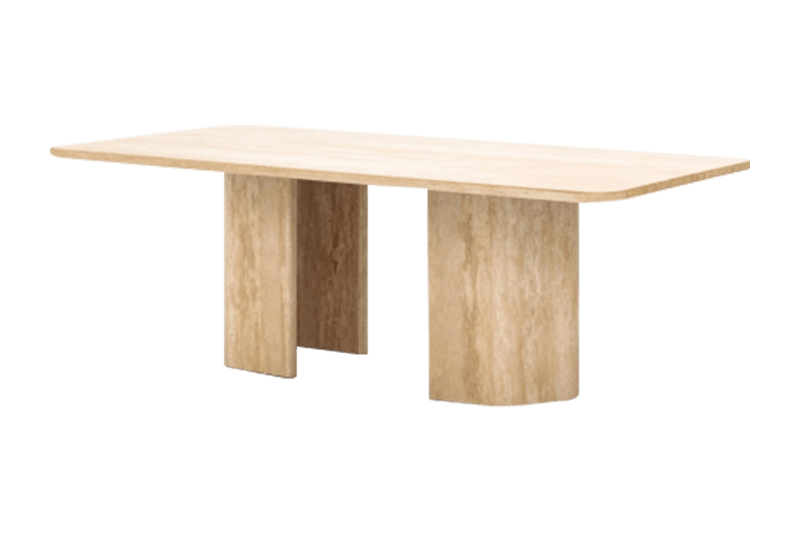 Elegant Travertine Marble Dining Table View More

 Chenghuaiya Stone Travertine Dining Table View More
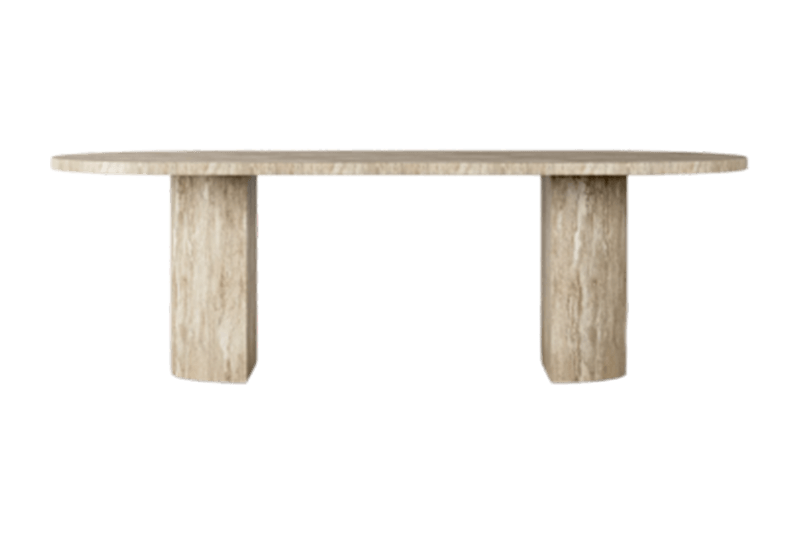 Elegant Cloud Shadow Travertine Dining Table View More
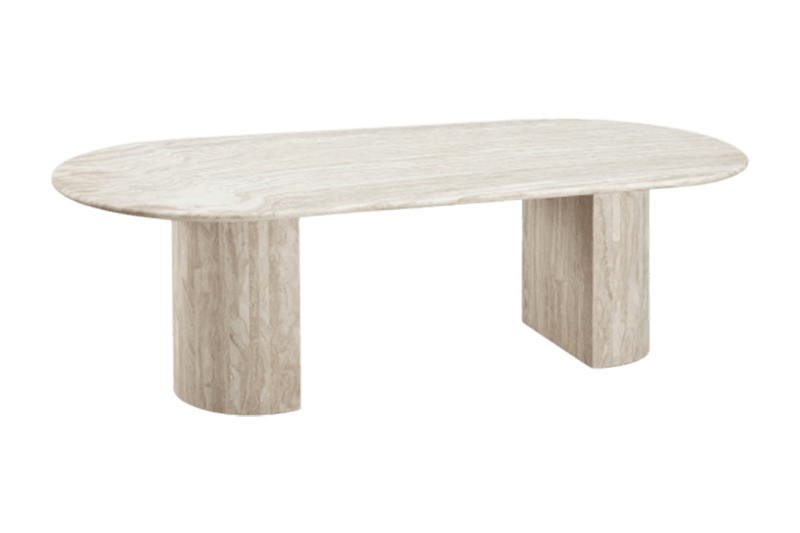 Light and Shadow Travertine Dining Table View More
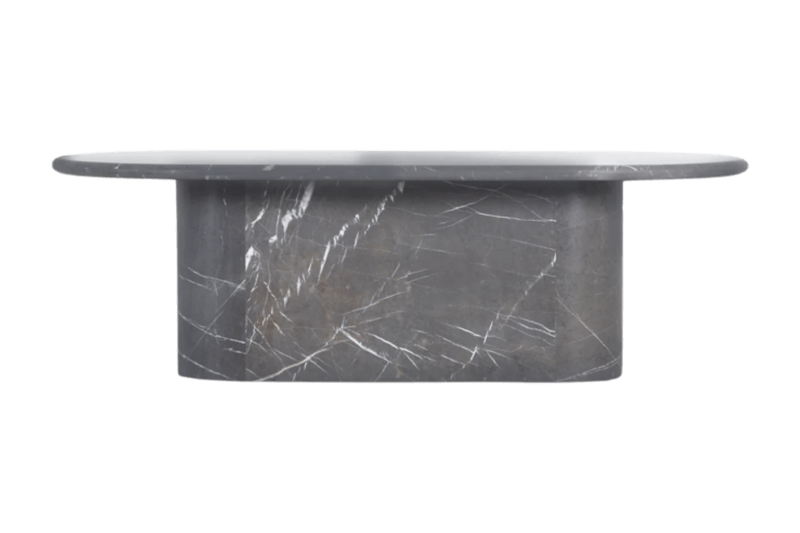 Simple Dark Grey Stone Dining Table View More
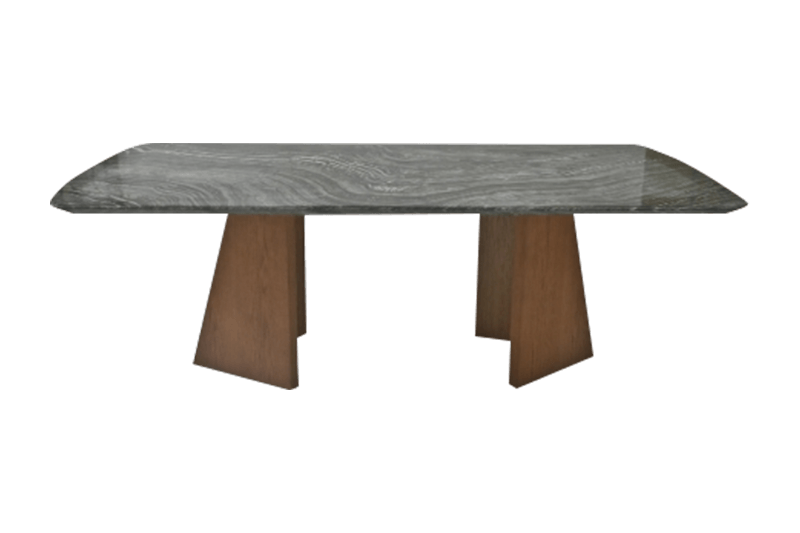 Gray Wood-Tone Marble Dining Table View More
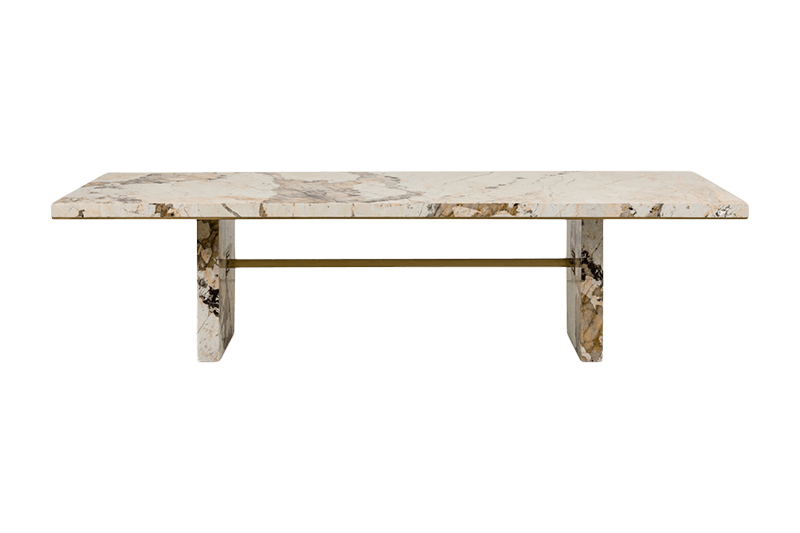 Off-White Gilded Marble Long Table View More
 EstéE Lauder Oval Marble Dining Table View More
 Rock Ash Cave Moon Mark Marble Rock Table View More
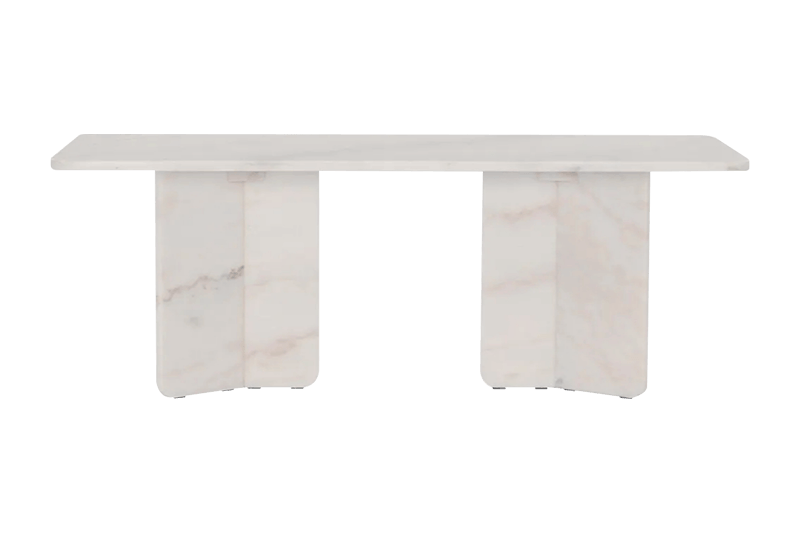 Elegant White and Refreshing Double-Pillar Marble Table View More
 Oval Marble Round Table with Large Floral and White Cloud Pattern View More
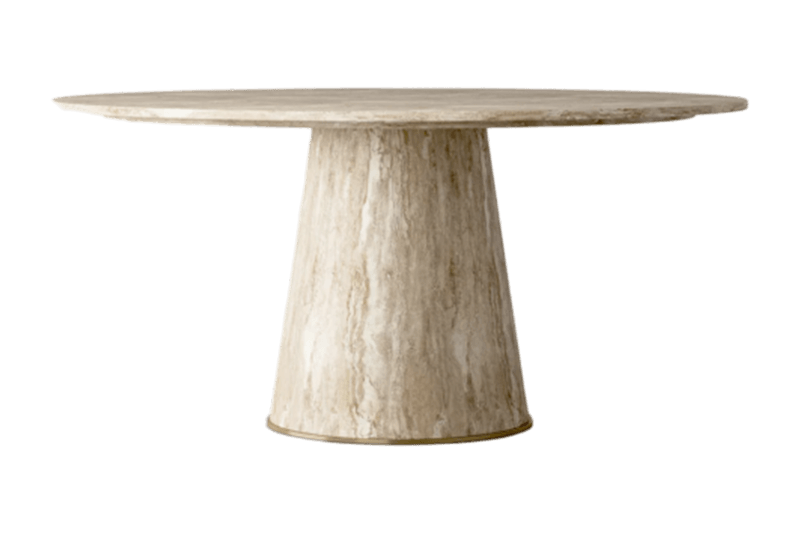 Simple Roman Hollow Marble Table View More
 56 Ronggang Road, Binhai New Area, Laoba Port, Hai'an City, Nantong City, Jiangsu Province
 [email protected]

 Custom Marble Composite Furniture Manufacturers