Content
- 1 Understanding Natural Marble: Geology, Grades, and What Makes Each Stone Unique
- 2 Natural Marble Bathtub: Selection, Specification, and Installation
- 3 Natural Marble Fireplace: Architectural Impact, Design Styles, and Heat Considerations
- 4 Marble Bathroom Sink: Types, Installation Configurations, and Selection
- 5 Marble Home Furnishings Beyond the Bathroom and Fireplace
- 6 Caring for Marble Home Furnishings: Sealing, Cleaning, and Long-Term Maintenance
- 7 Frequently Asked Questions About Marble Home Furnishings
Marble Home Furnishings including a natural marble bathtub, natural marble fireplace, and marble bathroom sink represent the pinnacle of residential interior design because natural marble is the only material that combines geological uniqueness, structural permanence, thermal presence, and visual depth in a single stone. No two slabs of natural marble are identical, which means every marble piece in a home is literally one of a kind. A freestanding natural marble bathtub carved from a single block of Calacatta or Carrara marble weighs 300 to 700 kg and will outlast the building around it if correctly maintained. A natural marble fireplace surround enhances a room's architectural character while providing heat resistance that no synthetic material can match at comparable aesthetic quality. A marble bathroom sink transforms a functional plumbing fixture into a sculptural object that improves with age as its patina develops. This guide covers every practical and aesthetic dimension of selecting, installing, and caring for marble home furnishings with specific data, material comparisons, and design guidance to help buyers make confident decisions.
Understanding Natural Marble: Geology, Grades, and What Makes Each Stone Unique
Natural marble is a metamorphic rock formed when limestone is subjected to intense heat and pressure within the Earth's crust over millions of years. This geological transformation recrystallises the calcite or dolomite minerals in the original limestone into a dense, interlocking crystalline structure that gives marble its characteristic translucency, hardness, and ability to accept a high polish. The veining that defines marble's aesthetic character is formed by mineral impurities including iron oxides (creating warm yellows, reds, and golds), graphite (creating grey and black tones), and silica (creating green and blue hues) that were introduced into the stone during metamorphism and distributed along the natural fracture planes of the original rock.
For Marble Home Furnishings, the specific marble variety selected determines the aesthetic character of every piece. The most commercially important marble varieties for luxury home applications are:
Key characteristics of the most popular natural marble varieties used in luxury home furnishings, bathtubs, fireplaces, and sinks
| Marble Variety |
Origin |
Background Color |
Veining Character |
Best Applications |
| Calacatta |
Carrara, Tuscany, Italy |
Bright white |
Bold gold and grey veins |
Bathtubs, fireplace surrounds, statement sinks |
| Carrara (Bianco Carrara) |
Carrara, Tuscany, Italy |
White to light grey |
Fine feathery grey veins |
Sinks, tub surrounds, fireplace hearths |
| Statuario |
Carrara, Tuscany, Italy |
Pure white |
Dramatic bold grey veins |
Sculpture-grade bathtubs and fireplaces |
| Nero Marquina |
Basque Country, Spain |
Deep black |
Fine white veins |
Fireplace surrounds, vessel sinks |
| Emperador Dark |
Alicante, Spain |
Rich dark brown |
Complex golden and cream veins |
Traditional fireplace surrounds, sinks |
| Onyx Honey |
Iran, Pakistan |
Amber to honey gold |
Translucent banded layers |
Backlit fireplace panels, vessel sinks |
| Verde Guatemala |
Guatemala, Central America |
Deep forest green |
White and light green veins |
Accent sinks, fireplace insets |
Marble Grading: What A, B, C, and D Mean When Buying Marble Furnishings
Natural marble for home furnishings is commercially graded from A through D based on the density and consistency of the stone's structure. Understanding this grading system is essential when selecting a natural marble bathtub or natural marble fireplace because lower grades may have natural fissures, voids, or soft spots that compromise structural integrity in load-bearing or thermally stressed applications:
- Grade A marble: The highest commercial grade. Uniform, dense structure with minimal natural fissures. All veining is stable and tight. Suitable for all applications including freestanding bathtubs requiring structural integrity across a single large block. Price premium of 40 to 100% over Grade B.
- Grade B marble: Good quality with occasional minor fissures that have been filled and stabilised with resin during quarrying. Suitable for most applications including sinks, fireplace surrounds, and tub panels. The most common grade used in quality Marble Home Furnishings.
- Grade C marble: Contains more frequent fissures, some voids, and may have resin fills throughout. Suitable for wall cladding and decorative applications where structural loading is minimal. Not recommended for bathtubs or heavily used sink basins.
- Grade D marble: Heavy fissuring and voids requiring extensive resin filling and backing. Used primarily for decorative mosaics and tile where small piece sizes minimise structural risk. Not appropriate for bathtubs, sinks, or fireplace surrounds subject to thermal or mechanical stress.
Natural Marble Bathtub: Selection, Specification, and Installation
A natural marble bathtub is the single most impactful luxury element available in residential bathroom design. Unlike any other bathtub material, natural marble is carved from a solid block of stone, meaning the tub is a monolithic sculptural object rather than a manufactured shell. The visual impact, tactile quality, and thermal presence of a solid marble bathtub in a master bathroom creates an environment that no acrylic, cast iron, or composite material can replicate.
Weight, Size, and Structural Requirements for a Natural Marble Bathtub
The most critical practical consideration when planning a natural marble bathtub installation is structural. A standard freestanding marble bathtub measuring approximately 1,700 mm long, 800 mm wide, and 550 mm tall (in a typical oval or rectangular form) weighs 300 to 500 kg empty. When filled with water (typically 200 to 300 litres) and occupied, the total load on the floor can reach 700 to 900 kg. This is significantly more than any standard residential floor design accounts for in its original construction calculations.
Before ordering a natural marble bathtub, a structural engineer must assess the floor framing and calculate whether it can safely carry the combined weight. For timber-framed floor construction (common in older residential buildings and in many North American homes), additional structural support is almost always required, either through sister joists, steel beams, or a reinforced concrete pad poured beneath the tub position. For concrete slab construction (common in apartments and modern residential buildings in Europe, Australia, and Asia), the slab typically has adequate capacity without modification, but the point load concentration should still be reviewed by a structural engineer.
Natural Marble Bathtub Forms and Carving Methods
A natural marble bathtub is produced in several standard forms, each requiring different carving complexity and therefore carrying different price points:
- Rectangular freestanding tub: The simplest carving geometry, with straight walls and flat base. Most compatible with contemporary and minimalist bathroom design. Requires the largest block of raw stone, as the rectangular form maximises the amount of material removed from a full block. Typical price range for a quality Grade A Calacatta marble rectangular tub: $8,000 to $25,000.
- Oval freestanding tub: The most popular form for luxury marble bathtubs. The rounded exterior profile reduces the block size needed while the interior volume remains generous. The curved exterior requires CNC diamond-wheel carving followed by extensive hand finishing to achieve smooth continuous curves. Typical price range: $10,000 to $35,000.
- Vessel style soaking tub: A deeper, lower-footprint form influenced by Japanese soaking bath tradition. Typically 700 to 800 mm deep with a smaller footprint than a Western bathtub. Well suited to bathrooms where floor space is limited but the desire for a full-depth marble soaking experience remains. Typical price range: $6,000 to $20,000.
- Custom sculpted forms: Fully bespoke tubs carved to the owner's design, including asymmetric forms, integrated headrests, sculpted exterior relief details, and two-person configurations. These require extended lead times of 3 to 6 months for design, block sourcing, and carving. Prices vary widely based on complexity but typically start at $20,000 and can exceed $150,000 for complex double-size bespoke pieces.
The Thermal Behaviour of a Natural Marble Bathtub: Cold Start and Heat Retention
The most commonly discussed practical challenge of a natural marble bathtub is its thermal behaviour. Marble is a dense stone with relatively low thermal conductivity compared to metals but much higher than acrylic or cast iron enamelled tubs. When cold, a marble bathtub will feel cool to the touch and will initially draw heat from the bath water until the stone's surface reaches thermal equilibrium with the water temperature. This can cause the bath water to cool noticeably faster than in an acrylic tub if not addressed.
The practical solution adopted by most owners of natural marble bathtubs is to pre-warm the tub before filling it for bathing. Running warm water over the interior surface for 3 to 5 minutes before filling allows the surface stone to absorb heat and reach a temperature close to the intended bath water temperature. Once the stone is pre-warmed, the high thermal mass of the marble (its ability to store heat in its dense crystalline structure) actually becomes an advantage: a pre-warmed marble tub retains bath water temperature significantly longer than a thin-walled acrylic tub. A well pre-warmed marble tub can maintain bath water temperature for 30 to 45 minutes with minimal cooling, compared to 15 to 20 minutes in a standard acrylic tub.
Natural Marble Fireplace: Architectural Impact, Design Styles, and Heat Considerations
A natural marble fireplace surround is one of the oldest and most enduring expressions of architectural luxury in interior design. Marble fireplaces have been the centrepiece of grand domestic rooms since the Renaissance period in Italy and France, and the tradition has never faded because no other material provides the same combination of heat resistance, workability into fine detail, and long-term visual improvement with age. A quality natural marble fireplace surround becomes more beautiful over decades as the stone develops a patina and as minor surface variations are enhanced by the light reflected from nearby flames.
Anatomy of a Natural Marble Fireplace Surround
A complete natural marble fireplace consists of several distinct components, each of which may be carved from the same or different marble varieties depending on the design:
- The mantel: The horizontal shelf at the top of the fireplace surround, used for decorative display. Typically made from a solid marble slab 30 to 50 mm thick, cantilevered over the fireplace opening. The mantel is the most visually prominent element and is often the piece that most prominently displays the marble's veining character.
- The legs (pilasters or jambs): The vertical elements on each side of the fireplace opening that support the mantel. In classical designs these are often detailed with fluting, carved mouldings, or applied decorative carved elements. In contemporary designs they are simple rectangular columns that frame the opening with clean geometric lines.
- The frieze: The horizontal panel directly above the fireplace opening, between the legs and below the mantel. In decorative designs the frieze may carry carved relief work including garlands, swags, medallions, or figural scenes. In contemporary designs the frieze is typically a clean polished panel.
- The inner hearth (slips): Marble panels that line the sides and head of the fireplace opening, separating the surround from the firebox. These must be made from marble with good heat resistance; denser, more recrystallised marbles with minimal calcium carbonate are preferred. The slips are typically 20 to 30 mm thick.
- The hearth: The floor panel in front of and within the fireplace opening. The hearth must be made from Grade A marble with good thermal resistance, as it is the component most directly exposed to heat radiation and to falling embers in wood-burning applications. Minimum hearth thickness for wood-burning fireplaces should be 30 to 50 mm.
Marble Selection for Fireplace Applications: Heat Resistance Considerations
Not all marble varieties are equally suited to fireplace applications. The intense and sustained heat radiated from a wood-burning or gas fireplace can cause thermal stress in marble that is not sufficiently dense or that contains significant resin fills in its natural fissures. Key selection guidelines for a natural marble fireplace:
- Use Grade A marble for all components in contact with heat: Resin fills in lower-grade marble can melt, discolour, or off-gas at sustained temperatures above 80 to 120 degrees Celsius, which the hearth and slips will routinely reach in a wood-burning fireplace. Grade A stone with no resin fills is essential for these components.
- Avoid heavily veined marbles for the hearth: Bold veining in marble is created by mineralogical variation along fracture planes. These same planes can become stress concentration points under repeated thermal cycling (heating and cooling). Dense, fine-grained marbles with subtle veining such as Carrara and Sivec are better choices for the hearth than the dramatically veined but potentially weaker Calacatta Gold or Portoro varieties.
- Onyx marble is not suitable for heat-exposed positions: Onyx is technically a variety of banded calcite or aragonite rather than a true metamorphic marble, and it has significantly lower heat resistance than granite or metamorphic marble. Onyx panels should be used only for the mantel and decorative surround elements away from the firebox opening, not for hearths or slips.
Natural Marble Fireplace Design Styles and Size Guidelines
Natural marble fireplaces are produced across a spectrum of design styles from Baroque and Rococo period reproductions to severely contemporary minimalist forms. The principal commercial design categories and their characteristic dimensions:
- Classical Georgian and Federal style: Characterised by broken pediment mantels, dentil moulding, fluted pilasters, and central cartouche or medallion carving on the frieze. Overall surround height 1,100 to 1,400 mm, mantel projection 150 to 250 mm. Typical price range for hand-carved Calacatta: $12,000 to $45,000.
- French Louis XV Rococo style: Asymmetric carved shell and foliate ornament, scrolled legs, shaped arched opening. The most technically demanding carving style requiring the highest level of stone craftsmanship. Overall height 1,200 to 1,600 mm. Typical price range for hand-carved Statuario: $25,000 to $80,000.
- Arts and Crafts and Edwardian style: Straighter lines than Rococo but with stylised natural motifs (leaves, berries, geometric patterns) carved in low relief. Well suited to Emperador, Verde Alpi, and other coloured marbles. Typical price range: $8,000 to $25,000.
- Contemporary minimalist style: No carved ornament; clean rectilinear forms with visible natural veining as the sole decorative element. Requires perfectly matched bookmatched slabs for the frieze and leg faces. The simplest form to produce but requires the finest stone selection because the stone itself must provide all visual interest. Typical price range: $5,000 to $20,000.
Marble Bathroom Sink: Types, Installation Configurations, and Selection
The marble bathroom sink is the most accessible entry point into marble home furnishings for many buyers because it offers the full visual and tactile presence of natural marble stone at a significantly lower price point than a marble bathtub or fireplace. A quality marble bathroom sink transforms the bathroom vanity from a purely functional fitting into an object of genuine craft and material beauty. Unlike the bathtub and fireplace, which require significant structural preparation and professional installation, many marble sinks can be installed by a skilled plumber using standard fixture connections.
Types of Marble Bathroom Sink: Vessel, Undermount, Integrated, and Trough
Marble bathroom sinks are produced in four primary installation configurations, each with distinct aesthetic and practical characteristics:
- Vessel (above-counter) sink: A bowl-shaped or rounded basin that sits entirely above the vanity counter surface. The vessel form makes the full marble stone visible from all angles and is the most dramatic presentation of the stone. Vessel sinks require a tall or wall-mounted tap positioned above the basin rim, typically at 200 to 300 mm above the basin. Weight typically 15 to 40 kg depending on size and wall thickness. This type is the most popular for luxury guest bathrooms and powder rooms where visual impact is the priority.
- Undermount sink: A marble basin mounted below the counter surface, with the counter material (which may also be marble) revealing the rim of the basin opening from above. Undermount installation creates the cleanest counter surface with no visible rim above the countertop, making it the most practical configuration for daily use as there is no rim edge to trap water, soap, or cleaning residue. The marble basin itself is typically 35 to 50 mm thick at the rim to provide adequate structural support for the undermount clips and sealant that secure it below the counter.
- Integrated sink and countertop: A single piece of marble carved so the basin and the vanity countertop are one monolithic unit. This is the most architecturally refined configuration, as the continuous stone surface from counter to basin creates a seamless, joint-free appearance that is impossible to achieve with any combination of separate components. Integrated marble sink and countertop pieces are typically custom-ordered to specific vanity dimensions and are among the most expensive marble bathroom sink options, with prices typically starting at $3,000 and rising to $15,000 or more for larger pieces in premium stone.
- Trough or double sink: An elongated rectangular basin designed to serve two users simultaneously, typically installed in master bathroom vanities where a double-width cabinet requires shared sink access. Marble trough sinks can be 1,200 to 1,800 mm long with two drain positions carved into a single stone basin. Their weight typically ranges from 60 to 120 kg for a full-length piece, requiring a reinforced vanity cabinet to support the load.
Surface Finish Options for Marble Bathroom Sinks
The surface finish applied to a marble bathroom sink determines its light reflectivity, texture, stain resistance, and maintenance requirements. The four main commercial finishes available:
- Polished: The classic high-gloss mirror finish created by progressively finer grit diamond abrasives followed by polishing compound. The polished finish provides the most vivid colour saturation and veining clarity, making it the best choice for showcasing premium marble's aesthetic character. It is also the most resistant to minor staining as the closed, dense surface leaves minimal porosity. The polished finish requires regular maintenance to prevent water spots and soap scum from dulling the surface.
- Honed: A matte or satin finish created by stopping the finishing process before the polishing stage. Honed marble has a smooth surface but no reflective gloss. The honed finish is warmer and more tactile than polished and is very popular for bathroom sinks because it does not show water spots as readily. However, the more open surface of a honed finish is slightly more susceptible to staining and requires sealing with an appropriate penetrating stone sealer at installation and annually thereafter.
- Brushed: A textured surface created by running abrasive wire brushes across the stone to open the crystal structure slightly and create a fine directional texture. The brushed finish provides additional non-slip safety in wet areas and creates a distinctive tactile quality that is very popular in contemporary bathroom design. Brushed surfaces require more frequent sealing than either polished or honed finishes due to their greater surface porosity.
- Chiselled or natural edge: Applied to the exterior of vessel-type marble sinks to leave the quarried natural stone face visible on the outside while the inside basin is polished or honed. This contrast between the rough natural exterior and the refined interior creates a powerful aesthetic statement that is particularly effective in organic and naturalistic interior design schemes.
Marble Home Furnishings Beyond the Bathroom and Fireplace
Marble Home Furnishings extend well beyond the bathroom and fireplace to encompass a broad range of interior elements where the combination of natural stone beauty, durability, and uniqueness creates lasting value. The most commercially significant categories of marble home furnishings in the luxury residential market:
Marble Dining Tables and Coffee Tables
Marble dining and coffee tables are among the fastest-growing categories in luxury Marble Home Furnishings. A marble dining table top is typically produced from a single slab 25 to 40 mm thick supported on stone, metal, or timber legs. The most popular marble varieties for dining tables are Calacatta and Statuario for white-ground contemporary interiors, and Emperador, Porto Rosa, and Ocean Blue for warmer, more traditional settings. Marble dining table tops are priced from approximately $1,500 for a simple 1,200 mm round top in Carrara to over $20,000 for a large format Calacatta Gold bookmatched slab on a designer base.
The key practical advantage of a marble dining table in the domestic context is its resistance to heat from serving dishes (provided the stone is sealed) and its ease of cleaning for liquid spills when properly sealed. The key maintenance consideration is its sensitivity to acidic foods and liquids including lemon juice, wine, and vinegar, which can etch the polished surface if left in contact for more than a few minutes. This is not a stain but a chemical surface change that requires professional re-polishing to correct, which is why many marble table owners apply a penetrating sealer annually and use table mats or trivets for direct food service.
Marble Kitchen Islands and Countertops
Marble kitchen countertops and islands are a significant and aspirational category within Marble Home Furnishings. The visual impact of a large bookmatched Calacatta marble island in a white contemporary kitchen is unmatched by any engineered stone, and professional pastry chefs have long valued marble's natural cool surface temperature for working with pastry and chocolate. The surface temperature of marble in a typical kitchen environment is 3 to 5 degrees Celsius cooler than the ambient room temperature, a physical property created by marble's thermal conductivity that is genuinely useful for culinary applications.
The honest guidance for buyers considering marble kitchen countertops is that marble requires a different relationship with kitchen surfaces than engineered quartz or granite. It will develop a patina that includes minor etching from everyday kitchen acids over time. Many owners of marble kitchens come to appreciate this developing character as evidence of the stone's natural beauty and age, while others prefer the predictable permanence of a more resistant material. If the idea of a gradually patinating surface is appealing, marble is the right choice. If a permanently pristine surface is the priority, honed quartzite or a quality engineered stone will better meet that expectation.
Marble Flooring, Stairs, and Wall Cladding
Large-format marble flooring, stair treads, and wall cladding are the architectural-scale expressions of Marble Home Furnishings that transform entire spaces rather than individual objects. Large-format marble floor tiles (typically 600 x 600 mm to 1,200 x 600 mm) in polished or honed Carrara or Calacatta create an expansive, light-reflecting floor surface that visually enlarges a room and provides a backdrop that makes every piece of furniture and art appear more refined in context. Marble stair treads in a grand entrance hall are among the most enduring architectural luxury features in residential design; when properly installed with a polished or lightly brushed finish, marble stairs develop a distinctive wear pattern that adds authentic character over decades of use.
Caring for Marble Home Furnishings: Sealing, Cleaning, and Long-Term Maintenance
The longevity and appearance of any natural marble bathtub, natural marble fireplace, marble bathroom sink, or other Marble Home Furnishings depends on a clear-eyed maintenance commitment. Marble is a calcium carbonate stone that is vulnerable to acid etching and to staining from oils and dyes if not properly sealed. The maintenance requirements are genuine but not onerous, and understanding them before purchase prevents disappointment and protects the investment.
Sealing: The Single Most Important Maintenance Step
All natural marble in wet or food-contact environments should be sealed with a penetrating impregnating sealer at installation and resealed on a schedule based on the stone's porosity and the intensity of use. A penetrating sealer fills the microscopic pore network of the stone below the surface without creating a film on top, which means it does not affect the stone's appearance but prevents liquids from soaking into the stone structure where they could cause permanent staining. Testing whether resealing is needed: place a few drops of water on the marble surface and observe. If the water beads and does not absorb within 15 minutes, the sealer is still performing. If the water soaks in and darkens the stone within a few minutes, resealing is overdue.
For a marble bathroom sink and bathtub surrounds in wet areas, reseal annually. For the hearth and surround of a natural marble fireplace in a room with normal humidity, reseal every 2 to 3 years. For a marble dining table or kitchen countertop with regular food contact, reseal every 6 to 12 months depending on usage intensity.
Daily Cleaning: What Is Safe and What Causes Damage
The fundamental rule for cleaning all Marble Home Furnishings is to use only pH-neutral cleaning products and never use acidic or highly alkaline cleaners. Acids (including vinegar, citric acid-based cleaners, bathroom lime scale removers, and many general-purpose surface sprays) chemically dissolve the calcium carbonate at the marble surface, creating dull, rough etched areas that must be re-polished professionally to restore the original finish. The practical cleaning protocol:
- Daily cleaning: Wipe surfaces with a soft damp cloth or microfibre cloth. No cleaning product is required for routine cleaning of unsealed water and soap residue. Dry the surface after wiping to prevent water spots.
- Weekly cleaning: Use a purpose-formulated pH-neutral stone cleaner diluted according to the manufacturer's instructions. These products are available from stone suppliers and specialist cleaning product companies and are safe for all sealed marble surfaces.
- Removing soap scum in bathrooms: Soap scum on the marble bathroom sink and bathtub can be removed with a pH-neutral soap scum remover specifically formulated for natural stone. Do not use standard bathroom soap scum products as these typically contain citric acid.
- Removing stains: For oil-based stains, apply a poultice of baking soda mixed to a paste with water or acetone, press onto the stain, cover with plastic film, and leave for 24 to 48 hours. The poultice draws the staining material out of the stone as it dries. For organic stains (coffee, tea, wine), use a stone-safe hydrogen peroxide solution. Never use bleach on coloured marbles as it may bleach the natural mineral pigments in the veining.
Frequently Asked Questions About Marble Home Furnishings
1. How heavy is a natural marble bathtub and what floor preparation is needed?
A standard freestanding natural marble bathtub weighs 300 to 500 kg empty, and when filled with water and occupied the total load reaches 700 to 900 kg. Before installation, a structural engineer must assess the floor framing capacity. Timber-framed floors almost always require reinforcement through additional joists, steel beams, or a concrete pad. Concrete slab floors are typically adequate but should still be reviewed. The structural assessment cost is typically $300 to $800 and should be completed before the tub is ordered, as the lead time for marble bathtubs is typically 6 to 14 weeks from order.
2. Does a natural marble fireplace need special installation requirements?
A natural marble fireplace surround itself does not require special structural preparation beyond what any fireplace installation requires (an appropriate firebox, flue, and hearth), but the stone must be correctly fixed to the chimney breast using appropriate non-combustible anchoring methods. Standard practice is to use stainless steel angle brackets anchored to masonry with stainless fixings, with the marble panels and mantel fixed to these brackets using a combination of stone epoxy adhesive and mechanical fixings. The hearth must comply with local building code requirements for hearth projection in front of the firebox opening and must be of adequate thickness. A structural engineer or specialist fireplace installer should review any installation where the chimney breast masonry condition is uncertain.
3. What is the best marble for a bathroom sink in a high-use household?
For a high-use marble bathroom sink in a family bathroom, Bianco Carrara in a honed finish with annual sealing is the most practical choice. Carrara's fine crystalline structure and moderate porosity respond well to sealing, and the honed finish disguises minor surface etching better than a polished finish would. The grey ground colour also conceals water spot marks better than white Calacatta. For a lower-use guest bathroom or powder room where aesthetic impact is the priority, Calacatta Oro, Nero Marquina, or an exotic variety can be specified with confidence, as the lower usage frequency means maintenance demands remain manageable.
4. How do I prevent etching on marble bathroom surfaces?
Etching occurs when acidic substances contact marble and chemically dissolve the calcium carbonate at the stone surface. Prevention requires eliminating contact between marble and acids. In bathrooms, the main acid sources are shampoo (many contain citric acid or other mild acids), some body washes, and cleaning products. Use only pH-neutral personal care products and cleaning products on and around all Marble Home Furnishings. Rinse marble surfaces thoroughly after contact with any personal care product and dry with a soft cloth. Even with perfect care, very minor micro-etching accumulates over years of use, and a professional re-polishing or honing service every 5 to 10 years will restore the original surface to like-new condition.
5. Is a natural marble bathtub cold to get into?
Yes, a natural marble bathtub will feel cool initially because marble has a thermal conductivity much higher than acrylic and draws heat from skin contact. The practical solution is to pre-warm the tub by running warm water over the interior surface for 3 to 5 minutes before filling. Once pre-warmed, the high thermal mass of the marble works in the bather's favour: the stone stores the heat absorbed from the pre-warming water and from the filled bath, releasing it slowly and keeping the bath water warm significantly longer than an acrylic tub. A pre-warmed marble tub typically maintains comfortable bath water temperature for 30 to 45 minutes.
6. What is the price range for a quality natural marble fireplace?
The price range for a quality natural marble fireplace surround spans from approximately $3,000 to $5,000 for a simple contemporary design in Bianco Carrara with machine-carved profiles and minimal detail, to $15,000 to $45,000 for a hand-carved classical Georgian or Federal design in Grade A Calacatta marble, and from $25,000 to over $80,000 for the most elaborate hand-carved French Rococo designs in Statuario or rare coloured marbles. These prices typically cover the fireplace surround, inner slips, and hearth but not installation labour, hearth extension, firebox, or flue work, which are costed separately by the installing contractor.
7. Can marble bathroom sinks be used with standard plumbing fittings?
Yes. Most marble bathroom sinks are manufactured with standard drain openings and standard tap hole configurations (either a single 35 mm tap hole in the basin rim for a monobloc tap, three holes spaced 150 or 200 mm apart for a deck-mounted three-piece tap set, or no holes in the basin for a wall-mounted or separate floor-standing tap). The drain waste fitting is typically a standard 32 mm basin waste that accepts a standard basin trap. The only non-standard consideration is the height of the tap: vessel sinks require a tall or wall-mounted tap, and the tap spout must be positioned to reach over the basin rim and direct water toward the drain without splashing. Most marble sink suppliers specify the required minimum tap spout height for their vessel designs.
8. How often should marble home furnishings be resealed?
The correct resealing frequency for Marble Home Furnishings depends on the specific application and intensity of use. As a practical guideline: marble bathroom sinks and bathtub surrounds in daily use should be resealed annually; natural marble fireplace surrounds and hearths in temperate indoor environments should be resealed every 2 to 3 years; marble dining tables and kitchen countertops in regular cooking use should be resealed every 6 to 12 months; and marble floors in high-traffic areas should be resealed every 1 to 2 years. The water bead test (described in the maintenance section of this guide) should be used to confirm whether resealing is needed before the scheduled interval if the surface appears to be absorbing water more readily than usual.
9. What is the difference between marble and engineered quartz for home furnishings?
The fundamental difference between natural marble and engineered quartz for Marble Home Furnishings is the distinction between a unique natural material and a manufactured composite. Natural marble is a geological material quarried from the earth; each slab is unique, with veining patterns that cannot be replicated. Engineered quartz is approximately 93% ground quartz aggregate bound with 7% polymer resin and pigmented to replicate stone appearances. Engineered quartz is more resistant to staining and etching than marble (the resin binder is chemically inert to common household acids) and requires minimal sealing. Marble, however, provides a depth of colour, translucency, and natural variation that engineered quartz cannot replicate; when held up to light, natural marble shows its crystalline structure glowing from within, a quality that no manufactured surface achieves. For applications where surface performance is the priority and permanence of appearance is required, engineered quartz is a rational choice. For applications where material beauty and uniqueness are the priority and some maintenance is acceptable, natural marble is genuinely superior.
10. Does using marble home furnishings increase property value?
Quality Marble Home Furnishings including a natural marble bathtub, natural marble fireplace, and marble bathroom sink consistently contribute positively to property value in the luxury residential market segment. In high-end property appraisals and real estate listings, natural stone throughout a property is one of the most reliably mentioned premium features that justifies higher asking prices and attracts buyers at the upper end of the market. A well-installed natural marble fireplace is cited in estate agent literature as a significant selling feature for period and premium properties. However, the value contribution is realised primarily in markets where the property is priced above the local median; in lower-priced markets, the premium cost of marble over standard finishes is unlikely to be fully recovered in the sale price. The most reliable value contribution of marble home furnishings comes from their permanence: unlike fashion-driven interior finishes that date quickly, natural marble remains a recognised marker of quality and taste across generations.

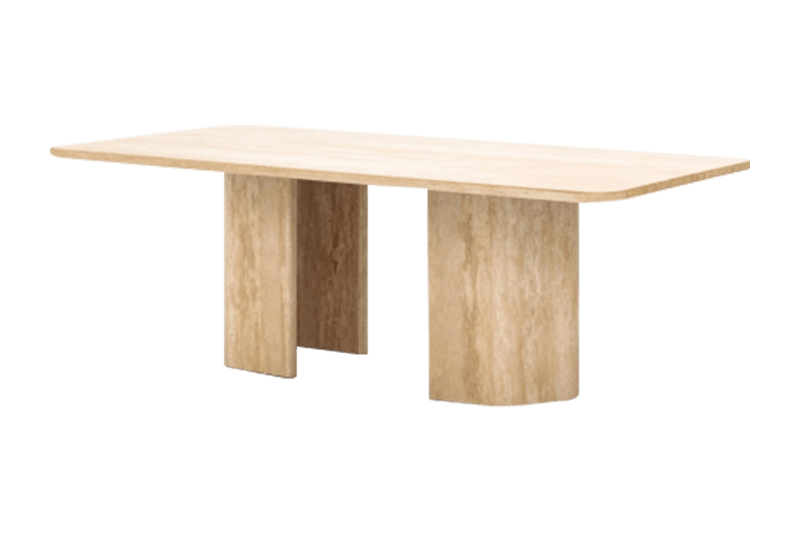 Elegant Travertine Marble Dining Table View More

 Chenghuaiya Stone Travertine Dining Table View More
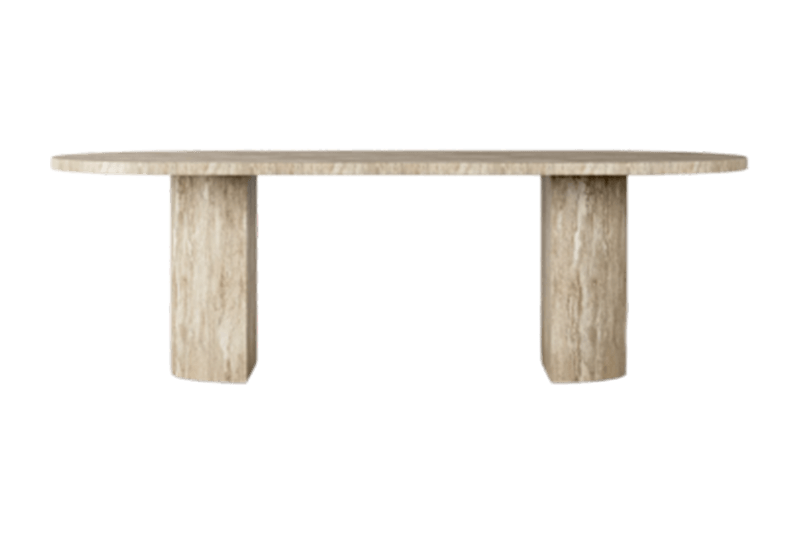 Elegant Cloud Shadow Travertine Dining Table View More
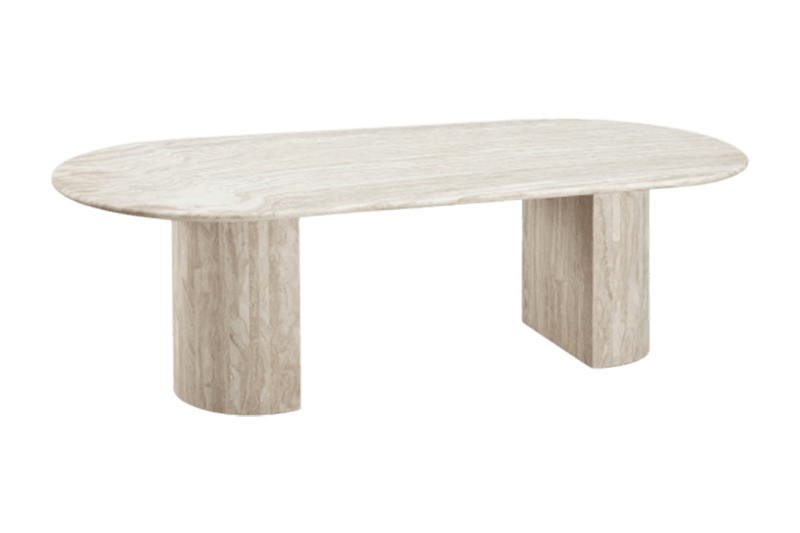 Light and Shadow Travertine Dining Table View More
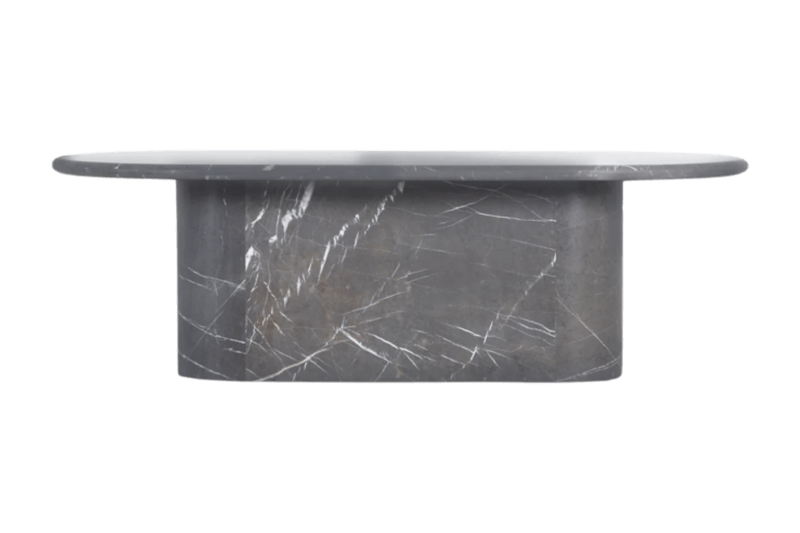 Simple Dark Grey Stone Dining Table View More
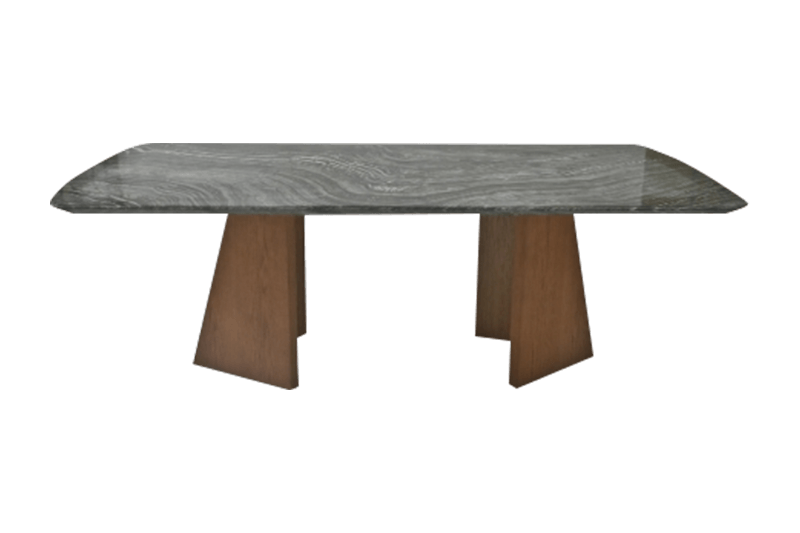 Gray Wood-Tone Marble Dining Table View More
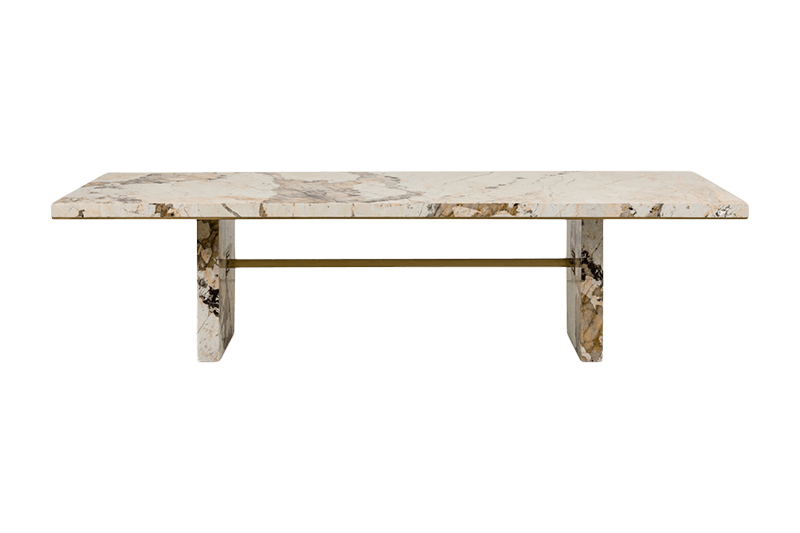 Off-White Gilded Marble Long Table View More
 EstéE Lauder Oval Marble Dining Table View More
 Rock Ash Cave Moon Mark Marble Rock Table View More
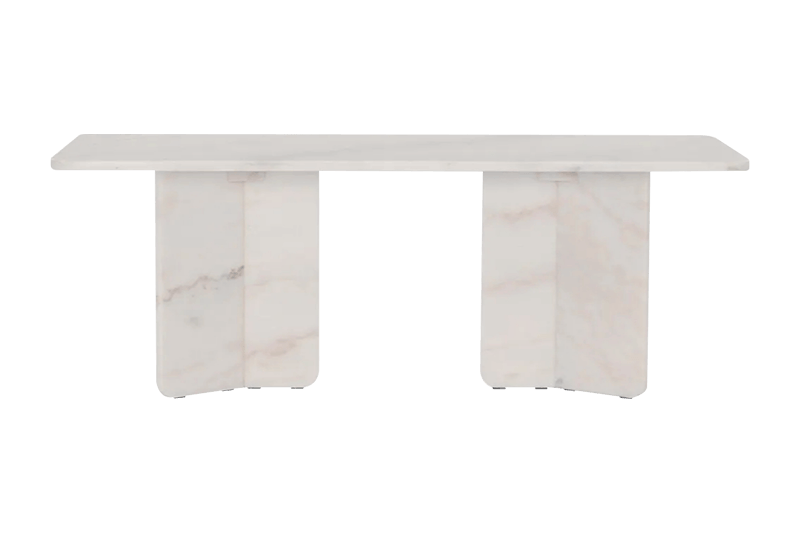 Elegant White and Refreshing Double-Pillar Marble Table View More
 Oval Marble Round Table with Large Floral and White Cloud Pattern View More
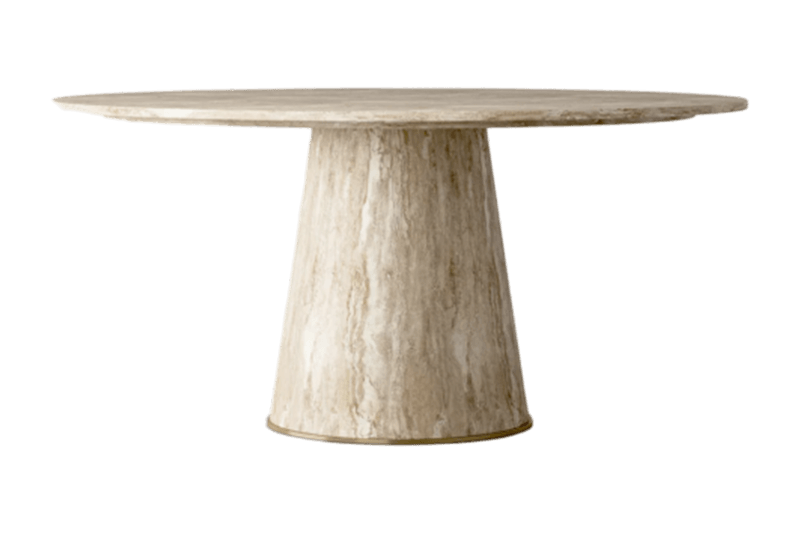 Simple Roman Hollow Marble Table View More
 56 Ronggang Road, Binhai New Area, Laoba Port, Hai'an City, Nantong City, Jiangsu Province
 [email protected]

 Custom Marble Composite Furniture Manufacturers