Marble Floor Manufacturing: From Quarry Block to Finished Marble Flooring Slab
Behind every polished marble flooring slab that leaves our facility is a long production chain that starts far from the showroom floor. As a manufacturer operating our own quarrying partnerships and a fully equipped processing plant, we control every stage of marble floor production, from raw block selection to final packaging. This vertical control is what allows us to guarantee consistent veining, stable thickness tolerances, and finish quality across large project quantities, something that is very difficult to achieve when sourcing marble floors through multiple unrelated suppliers or intermediaries who do not control the original block.
Marble is a metamorphic rock formed primarily from recrystallized limestone under intense heat and pressure over millions of years. This geological process is what gives marble floor its signature veining, translucency, and depth of color. Because every quarry vein produces slightly different patterns, our production team performs block-by-block visual grading before any cutting begins, ensuring that clients ordering marble flooring for a single project receive slabs with consistent tone, background color, and vein direction throughout the entire installation area, rather than mismatched panels pulled from different production batches.
The scale of a production facility directly affects how consistently marble floor orders can be fulfilled. Large-format cutting equipment, multi-stage calibration lines, and dedicated finishing departments allow a single production run to output hundreds of square meters of marble flooring with matching specification, which is essential for hospitality projects, commercial lobbies, and multi-unit residential developments where visual uniformity across large floor areas is a core design requirement.
Raw Block Selection and Grading
Every raw marble block is inspected for internal fractures, mineral impurities, and vein consistency before it enters the cutting line. Blocks with micro-fissures are separated for reinforcement treatment or downgraded to smaller format products, while structurally sound blocks proceed directly to gang-saw or diamond wire cutting for full-size marble floor slab production. This grading stage is the single most important step in determining the final visual grade of the finished marble flooring panel, and it is carried out by experienced technicians rather than fully automated sorting alone.
Block Inspection
Each block is checked for color uniformity, vein flow, and mineral inclusions before cutting to reduce waste and rejection at the finishing stage.
Precision Slab Cutting
Gang-saw and diamond wire technology produce marble floor slabs with tolerances tight enough for large-format installation without excessive grinding on site.
Resin and Mesh Reinforcement
Slabs with natural fissures receive resin filling and fiberglass mesh backing to strengthen the marble flooring panel without affecting surface appearance.
Calibration and Sizing
Automated calibration lines bring every marble floor tile to uniform thickness, which is essential for smooth, lippage-free floor installation.
Color and Vein Variety Available in Marble Floor Production
One of the reasons marble floor remains a preferred material for feature spaces is the sheer range of natural color and vein character available from different quarry origins. Even within a single production catalog, marble flooring can range from soft, warm beige tones with gentle linear veining to bold, high-contrast dark backgrounds with dramatic white or gold veining. Selecting the right variety is not only a matter of aesthetic preference but also relates to how the finished floor will interact with ambient lighting, room proportions, and surrounding materials such as wood trim or metal fixtures.
Light Background Varieties
Soft white and beige marble floor options reflect ambient light effectively, making rooms feel larger and brighter, and are widely specified for lobbies and bathrooms.
Bold Veined Varieties
High-contrast veining creates a strong visual focal point and is often used for feature flooring, reception counters, and statement staircases.
Dark Background Varieties
Deep-toned marble flooring adds a sense of depth and formality, frequently paired with brass or warm metal accents in hospitality interiors.
Fine Grain Varieties
Subtle, low-contrast patterns provide a calmer visual field, suited to large open floor plans where a busy pattern would compete with furnishings.
Is Marble Flooring a Good Idea for Large-Scale Projects?
The question is marble flooring a good idea comes up frequently from architects, designers, and property developers evaluating flooring material for lobbies, hospitality projects, and premium residential developments. From a manufacturing and materials-engineering standpoint, the answer depends heavily on how the marble floor is processed, finished, and specified for the intended environment, rather than being a simple yes-or-no judgment about the material as a whole.
When marble flooring is quarried from a stable vein, calibrated to precise thickness, and finished with the correct surface treatment for its application, it performs reliably in both commercial and residential settings for decades. The key factor is matching the finish and slab thickness to the specific foot-traffic and environmental conditions of the project, rather than applying a single finish specification across every area of a building.
For interior applications such as lobbies, staircases, feature walls, and low-to-medium traffic flooring, marble floor offers a combination of light reflectivity and depth of pattern that engineered alternatives struggle to reproduce. Because marble has a naturally high light-reflective index compared to many other stone categories, spaces finished with marble flooring often appear brighter and more spacious without additional lighting fixtures, which can meaningfully reduce lighting energy requirements in large commercial interiors.
Beyond appearance, marble floor also contributes to a project's long-term value proposition. Natural stone flooring is frequently cited by property valuers and interior consultants as a durable finish that maintains resale and rental appeal over long ownership cycles, provided that the correct slab thickness and finish were specified at the outset and that a basic maintenance routine has been followed throughout the life of the installation.
Advantages Confirmed Through Production and Field Performance
Thermal Conductivity
Marble floor transfers heat efficiently, making it well suited for radiant floor heating systems in cooler climates.
Dimensional Stability
Calibrated marble flooring slabs maintain consistent thickness across large production batches, simplifying large-area installation.
Surface Customization
Polished, honed, and textured finishes can all be produced from the same block to match different design requirements.
Long Production Lifespan
With correct sealing and maintenance, marble floors retain structural integrity and visual quality well beyond typical renovation cycles.
What Is the Downside of Marble Floors and How Processing Reduces the Risk
Understanding what is the downside of marble floors is essential for specifying the material correctly, and it is a question we address directly with every project team before finalizing an order. As a manufacturer, we address most of these limitations at the production stage rather than leaving them for the installer or end user to manage after the marble flooring has already been laid, which significantly reduces the chance of surface complaints appearing after handover.
Porosity and Staining
Marble is naturally porous. Factory-applied penetrating sealers reduce absorption rates significantly before the marble floor leaves our facility.
Acid Sensitivity
Contact with acidic substances can dull the surface. We recommend honed or leathered finishes for kitchen-adjacent or high-contact zones.
Surface Scratching
In high-traffic commercial areas, we recommend a slightly higher thickness specification and periodic marble floor polishing schedules.
Slip Resistance
Polished marble flooring can become slick when wet. Textured or flamed finishes are produced for pool decks and wet-area applications.
By addressing these factors during production rather than after installation, we are able to supply marble floor slabs that already account for their intended environment, reducing the likelihood of surface issues appearing within the first years of use. Project specifiers who share details about expected foot traffic, exposure to moisture, and cleaning routines during the ordering stage typically receive a finish recommendation that removes most of these downsides before the material ever reaches the site.
Marble Floor Polishing: Surface Finishing Options Produced In-Line
Marble floor polishing is not a single process but a family of surface treatments, each producing a different visual and functional result. Our finishing lines are equipped to produce the full range of surface options from a single slab batch, allowing project specifiers to select the finish that best matches the design intent and the functional requirements of the space, without needing to source different finish types from separate production runs.
| Finish Type |
Surface Characteristics |
Typical Application |
| Polished |
High gloss, mirror-like reflection, maximum color and vein depth |
Lobbies, feature flooring, interior walls |
| Honed |
Matte to satin surface, softer light reflection, smoother underfoot feel |
Residential flooring, high-traffic corridors |
| Leathered |
Textured surface with subtle relief, low glare, fingerprint resistant |
Kitchen countertops, feature walls |
| Brushed |
Softly textured, slightly aged appearance, good grip underfoot |
Outdoor terraces, transitional spaces |
| Flamed |
Rough, high-friction surface produced by controlled heat treatment |
Pool surrounds, exterior paving |
| Bush-Hammered |
Deep textured surface with pronounced tactile relief |
Exterior steps, landscape paving |
Each finish requires a different sequence of abrasive grit stages. Marble floor polishing to a full gloss finish typically progresses through eight to fourteen grit stages, gradually reducing abrasive coarseness until the surface reaches maximum light reflection. Honed and leathered finishes intentionally stop earlier in this sequence or introduce mechanical texturing tools to achieve their characteristic surface, while bush-hammered and flamed finishes use entirely separate mechanical or thermal processes rather than abrasive grinding.
The gloss level achieved during marble floor polishing is typically measured using a gloss meter, expressed as a percentage of light reflection compared to a reference standard. Commercial lobby specifications commonly request a high gloss range, while residential and hospitality corridor projects often specify a mid-range gloss level that balances visual brightness with practical slip resistance and lower long-term maintenance frequency.
Technical Specifications of Marble Floor Slabs
Project specifiers frequently request measurable technical data before finalizing a marble flooring order, particularly for commercial developments where structural engineers and facade consultants require documented material properties. The table below summarizes the typical technical parameters used when specifying marble floor for architectural projects.
| Property |
Typical Range |
Relevance to Flooring Use |
| Bulk Density |
2.6 to 2.8 g/cm³ |
Affects overall slab weight and substrate load requirements |
| Water Absorption |
0.15% to 0.6% |
Lower values indicate reduced staining risk before sealing |
| Compressive Strength |
70 to 130 MPa |
Determines suitability for higher foot-traffic flooring areas |
| Flexural Strength |
7 to 15 MPa |
Relevant to slab thickness selection for large-format panels |
| Standard Thickness |
10mm, 18mm, 20mm, 30mm |
Selected according to flooring versus wall cladding use |
How to Clean Marble Floors After Installation
Understanding how to clean marble floors correctly protects the factory-applied sealer and preserves the finish selected during production. Because marble floor is calcium-based, it reacts differently to cleaning products than ceramic or porcelain surfaces, and using the wrong products can strip protective coatings prematurely, exposing the porous stone beneath to staining risk.
- Use a pH-neutral stone cleaner formulated specifically for natural marble floor surfaces.
- Avoid vinegar, lemon-based cleaners, and other acidic household products.
- Use a soft microfiber mop rather than abrasive scrubbing pads.
- Blot spills immediately rather than wiping, to prevent liquid from spreading into pores.
- Dust mop regularly to remove grit particles that can scratch polished marble flooring surfaces underfoot.
- Rinse the surface with clean water after using any cleaning solution to prevent residue buildup.
Commercial facilities managing large marble floor areas often establish a written cleaning protocol for maintenance staff, specifying approved cleaning agents, mop types, and cleaning frequency. This documentation is particularly useful in hospitality and retail environments where multiple staff rotate through cleaning duties, since inconsistent product use is one of the most common causes of premature dulling on polished marble flooring surfaces.
How to Care for Marble Floors Over the Long Term
Beyond routine cleaning, how to care for marble floors over years of use involves a maintenance schedule that protects both the sealer and the polished surface layer. We recommend resealing factory-finished marble floor surfaces on a cycle determined by traffic volume, typically every twelve to twenty-four months for commercial areas and slightly longer for residential installations with lower foot traffic.
Placing walk-off mats at entry points, using felt protector pads under furniture, and avoiding dragging heavy objects across the surface are simple measures that significantly extend the interval between professional marble floor polishing sessions.
Seasonal conditions also affect how to care for marble floors in different climates. In coastal or high-humidity regions, moisture control beneath the substrate is important to prevent efflorescence, a white mineral deposit that can rise through the stone from a damp subfloor. In colder climates where de-icing salts may be tracked indoors during winter months, entry mats and prompt cleaning become especially important to protect marble floor surfaces near exterior doors.
How to Polish Marble Floors On Site
While our factory applies the initial finish before shipment, understanding how to polish marble floors during periodic maintenance helps installed projects retain their original appearance for many years after handover.
01
Surface Preparation
Clear the marble floor of dust, grit, and debris to prevent scratching during the mechanical polishing stage.
02
Diamond Pad Grinding
Progressive diamond abrasive pads remove surface wear layers and restore a flat, even base for polishing.
03
Crystallization
A chemical hardening compound reacts with the calcium carbonate to increase surface density and gloss.
04
Final Buffing
High-speed buffing with wool pads brings the marble flooring surface to its final reflective finish.
For facilities that manage marble floor across large square footage, staging the polishing process by zone rather than treating the entire area at once minimizes disruption to daily operations. Hotels and commercial buildings frequently schedule polishing work during overnight hours or in rotating sections, allowing the marble flooring to remain accessible to occupants while maintenance work continues on adjacent zones.
Which Is Better, Marble or Granite, for Your Project Specification
The comparison of which is better, marble or granite depends entirely on the functional demands of the installation area. Both are natural stone products manufactured through similar quarrying and slab-cutting methods, but their mineral composition produces different performance characteristics that make each material better suited to particular applications.
| Property |
Marble |
Granite |
| Mohs Hardness |
3 to 4 |
6 to 7 |
| Acid Resistance |
Low, reacts with acidic substances |
High, resistant to most acidic exposure |
| Porosity |
Moderate to high, requires sealing |
Low, naturally denser structure |
| Surface Pattern |
Fine, flowing veining with soft color transitions |
Granular, speckled texture with consistent grain |
| Polish Retention |
High initial gloss, requires periodic renewal |
Stable gloss with lower maintenance frequency |
| Best Suited Areas |
Lobbies, feature flooring, low-abrasion interiors |
Countertops, exterior paving, high-abrasion floors |
In practical project specification, marble floor is generally selected for its visual character in spaces where surface care routines can be maintained, while granite is often specified in areas where lower maintenance and higher mechanical resistance are the priority. Many large-scale developments specify both materials in different zones of the same project according to these performance profiles, using marble flooring for visually prominent interior areas and granite for heavier-use zones such as kitchen work surfaces or exterior paving.
Application Areas Suited to Marble Floor
Selecting the correct finish and thickness for marble flooring depends heavily on where within a building the material will be installed. The following overview reflects the finish specifications most commonly requested for each application category based on production order history.
Hotel and Commercial Lobbies
High-gloss polished marble floor is typically specified here to maximize light reflection and create a strong first impression at entry points.
Residential Living Areas
Honed marble flooring is often preferred for a softer underfoot feel and reduced glare in daily living spaces.
Bathrooms and Wet Areas
Honed or lightly textured marble floor finishes improve slip resistance while retaining the natural veining of the stone.
Staircases and Feature Walls
Book-matched marble flooring panels are frequently used here to create a continuous, mirrored vein pattern across adjacent surfaces.
Outdoor Terraces and Poolside Areas
Brushed or flamed marble floor finishes provide the necessary grip for wet, high-traffic exterior surfaces.
Retail and Showroom Flooring
Polished marble flooring with consistent vein direction across large floor areas supports uninterrupted sightlines in display spaces.
Customization Options Available for Marble Flooring Orders
As a manufacturer producing marble floor directly from raw block, we offer specification flexibility that is difficult to achieve through resale channels. Slab dimensions, thickness, edge profiles, and finish type can all be configured according to project drawings, and sample panels can be produced ahead of full production to confirm color, veining, and finish before a full order is committed.
Slab and Tile Formats
Full slabs, standard tile sizes, and custom-cut formats are produced according to project layout requirements.
Thickness Options
Marble flooring can be calibrated from thin lightweight panels to heavy-duty commercial thickness specifications.
Edge Profiling
Bullnose, beveled, and straight edge profiles are machined to match stair, threshold, and border detailing.
Book-Matching
Sequential slab cutting allows mirrored vein patterns for feature walls and statement flooring layouts.
Pattern Layout Cutting
Waterjet and CNC cutting produce medallion inlays, borders, and geometric patterns for feature marble floor areas.
Sample Panel Approval
Physical sample panels are prepared prior to full production so the exact finish and veining can be confirmed in advance.
Installation Considerations for Marble Floor Projects
Even the highest quality marble flooring will underperform if installation conditions are not correctly prepared. Substrate flatness is one of the most critical factors, as an uneven subfloor can cause hollow spots or stress concentration points beneath rigid marble floor panels, particularly for large-format slabs. We recommend a maximum substrate deviation of 3mm under a 2-meter straightedge before installation begins.
Adhesive selection also affects long-term performance. Modified thin-set mortars with low shrinkage properties are generally recommended for marble floor installation over cementitious or engineered subfloors, while flexible adhesive systems are advised where the substrate is subject to thermal movement, such as over radiant heating systems. Expansion joints should be incorporated at regular intervals across large marble flooring areas to accommodate natural movement between the stone and substrate without causing cracking.
Grout joint width and sealing sequence also influence the finished appearance and long-term staining resistance of installed marble floor. Narrow joints are typically specified for polished marble flooring to maintain a continuous visual surface, while slightly wider joints may be used with honed or textured finishes in exterior applications to allow for greater material movement.
Quality Control Across the Marble Floor Production Line
Every batch of marble floor produced in our facility passes through multiple inspection checkpoints before packaging. Thickness calibration is verified with digital measurement tools at the exit of the calibration line, while surface inspectors check each polished panel under directional lighting to identify any inconsistency in gloss level or vein alignment. Slabs that do not meet the internal tolerance standard for a given finish category are separated and either reprocessed or reclassified for a different application.
Packaging for marble flooring shipments uses reinforced wooden crating with foam interleaving between panels to prevent edge chipping and surface abrasion during transport. Each crate is labeled with slab dimensions, finish type, and batch reference so that installation teams can match veining sequence accurately on site, which is particularly important for book-matched marble floor layouts where panel order affects the final visual result.
Before loading, a final visual inspection is carried out under both natural and artificial lighting conditions to confirm that gloss consistency and color grading meet the approved sample panel. This step is especially important for marble floor orders destined for projects with strict design approval processes, where any deviation from the confirmed sample could result in delays during the installation review stage.
Frequently Asked Questions About Marble Floor Specification
Marble has high thermal conductivity, so it can feel cool in unheated spaces, but this same property makes it highly effective when paired with radiant floor heating.
How long does marble floor polishing last?
A professional gloss finish typically lasts twelve to twenty-four months in moderate traffic areas before a maintenance polish is recommended.
Can marble flooring be installed outdoors?
Yes, when a slip-resistant finish such as brushed or flamed is specified along with a slab thickness suited to exterior structural loads.
Is sealing required before installation?
Factory sealing before shipment provides an initial protective layer, though most projects benefit from a second sealing pass after installation.

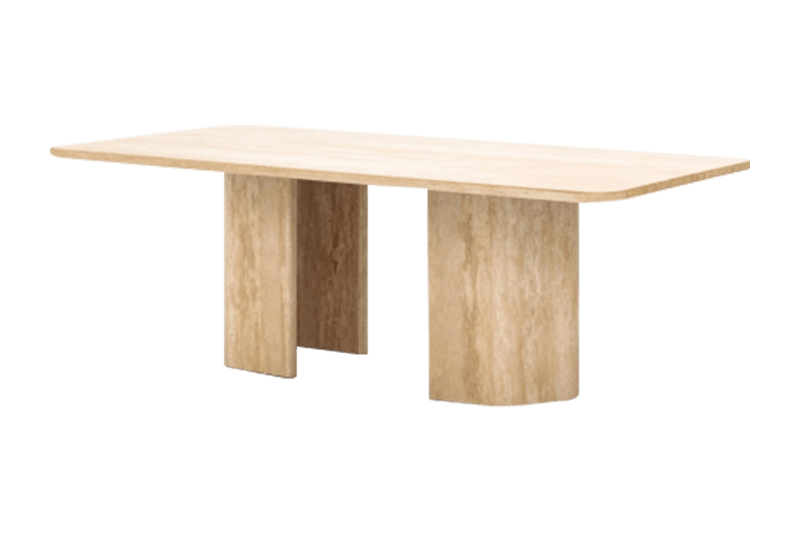 Elegant Travertine Marble Dining Table View More

 Chenghuaiya Stone Travertine Dining Table View More
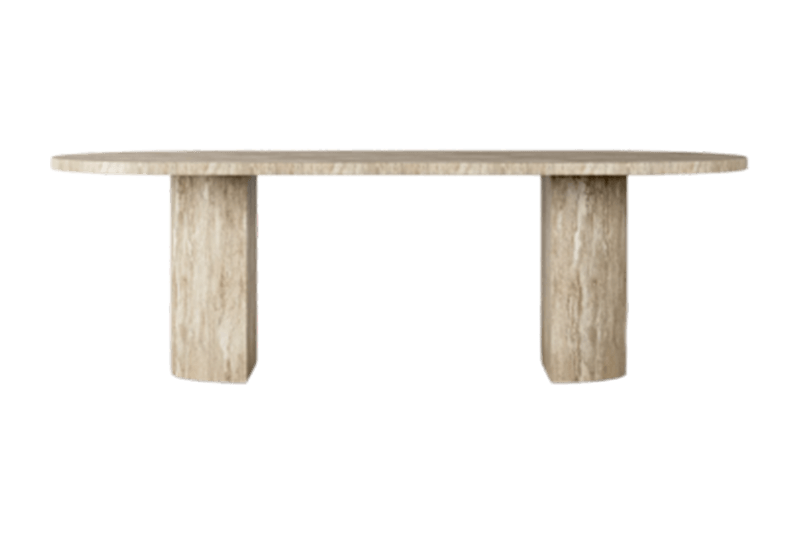 Elegant Cloud Shadow Travertine Dining Table View More
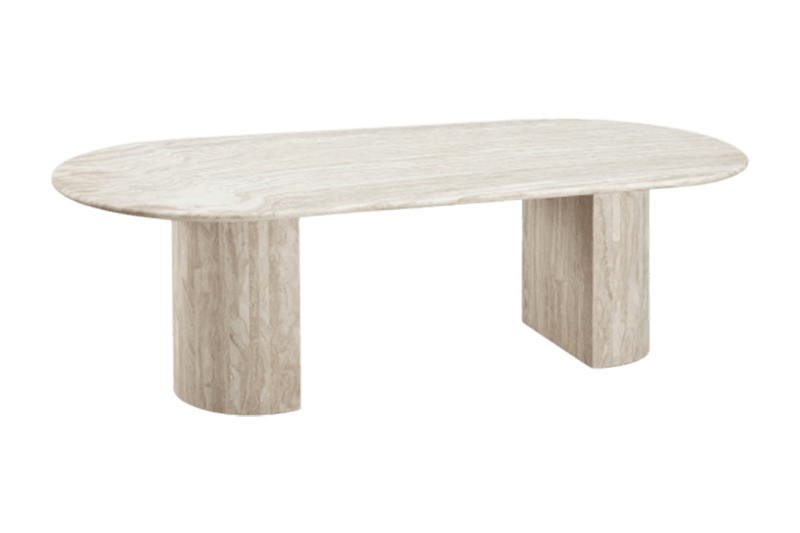 Light and Shadow Travertine Dining Table View More
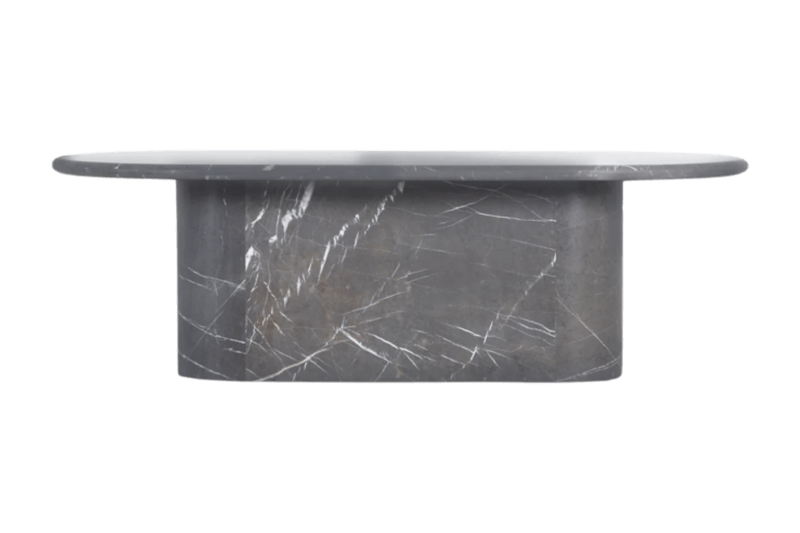 Simple Dark Grey Stone Dining Table View More
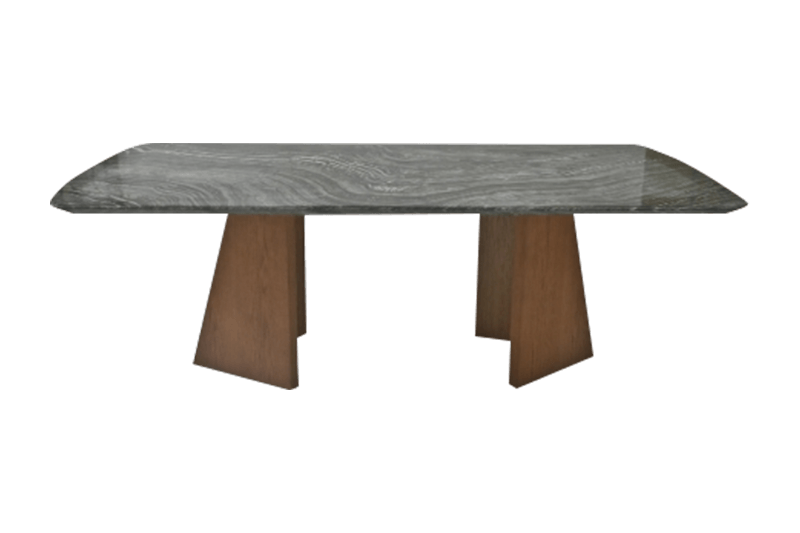 Gray Wood-Tone Marble Dining Table View More
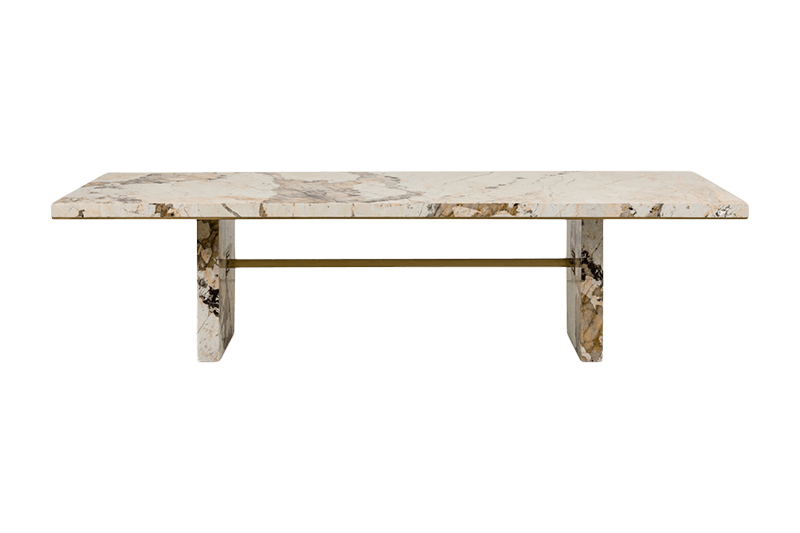 Off-White Gilded Marble Long Table View More
 EstéE Lauder Oval Marble Dining Table View More
 Rock Ash Cave Moon Mark Marble Rock Table View More
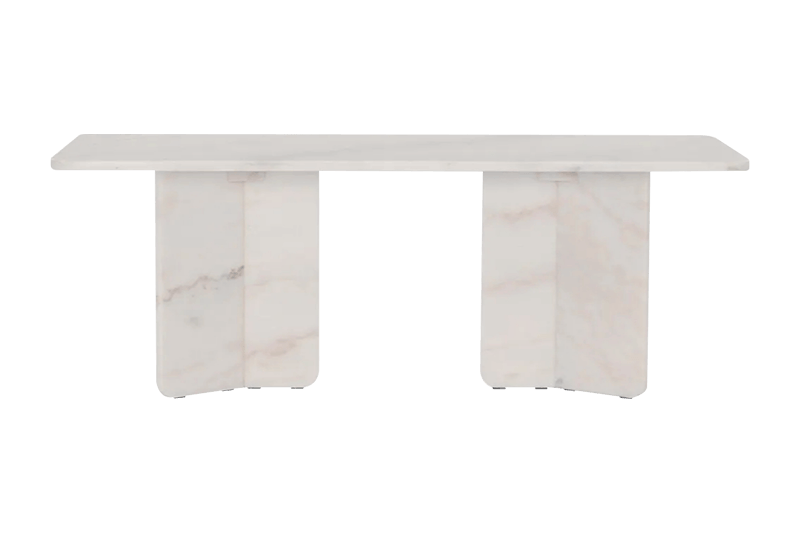 Elegant White and Refreshing Double-Pillar Marble Table View More
 Oval Marble Round Table with Large Floral and White Cloud Pattern View More
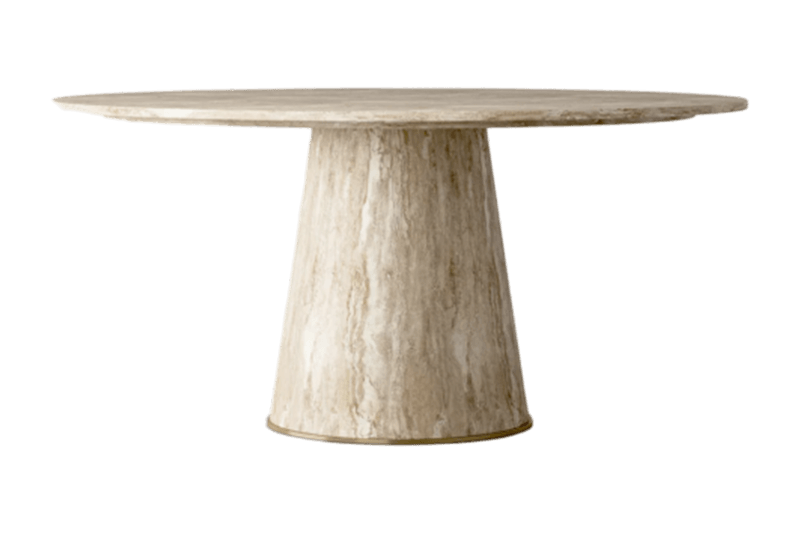 Simple Roman Hollow Marble Table View More
 56 Ronggang Road, Binhai New Area, Laoba Port, Hai'an City, Nantong City, Jiangsu Province
 [email protected]

 Custom Marble Composite Furniture Manufacturers